This article, written by Shan Desai, was originally published on his blog and is reposted here with permission. Shan is a Software engineer currently employed at Emerson Discrete Automation and is an Open-Source Contributor / DIY Tech Enthusiast currently working with Industrial IoT. Telegraf is widely used as a metric aggregation tool thanks to the diverse number of plugins it provides that interface with a multitude of systems without having to write complex software logic.
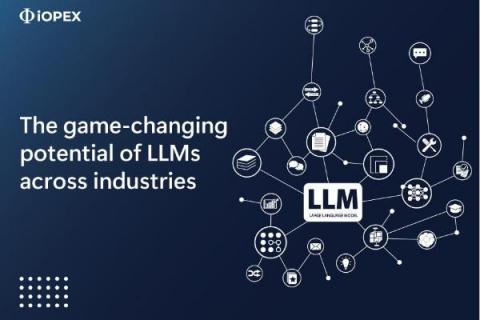
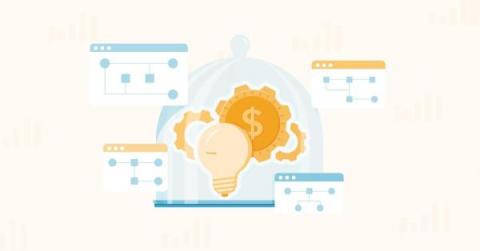
Large Language Models (LLMs) have emerged as a powerful force capable of reshaping industries across the board. From small startups to multinational corporations, organizations are actively experimenting with LLMs, recognizing their potential to disrupt the market. This blog explores the predictions from major industry leaders regarding the future of LLMs and provides insights on how businesses can leverage this technology to gain a competitive edge.
Data Lakes can be difficult and costly to manage. They require skilled engineers to manage the infrastructure, keep data flowing, eliminate redundancy, and secure the data. We accept the difficulties because our data lakes house valuable information like logs, metrics, traces, etc. To add insult to injury, the data lake can be a black hole, where your data goes in but never comes out. If you are thinking there has to be a better way, we agree!
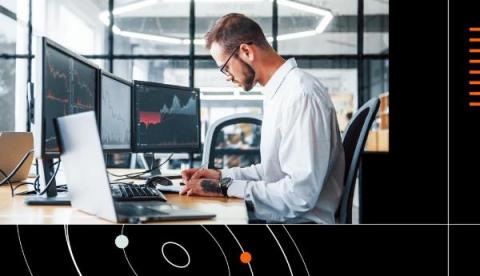
Extracting insights from log and security data can be a slow and resource-intensive endeavor, which is unfavorable for our data-driven world. Fortunately, lookup tables can help accelerate the interpretation of log data, enabling analysts to swiftly make sense of logs and transform them into actionable intelligence. This article will examine lookup tables and their relationship with log analysis.
In today’s digital world, where data is considered the new oil, organizations are consistently looking for efficient ways to store and manage their invaluable information assets. Microsoft’s Azure Files and Windows Server are two technologies at the forefront of this technological evolution.