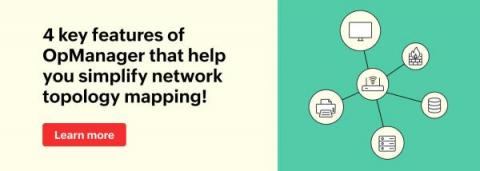
Network topology mapping is the process of mapping topological relationships between network components and establishing those relationships in the form of network diagrams. Network mapping helps visualize physical and logical connections between all elements and nodes, thus simplifying network management. A network topology mapper is a tool that helps perform network mapping effectively.
With Infrastructure as Code and service-oriented development, a modern web app can consist of countless moving parts developed by multiple development and DevOps teams. When establishing a high-velocity development environment, the main question is, "How can you guarantee a stellar end-user experience when lots of engineers are constantly pushing and deploying code?" Solid, easy-to-write, and clearly defined monitoring practices are the only answer to this question.
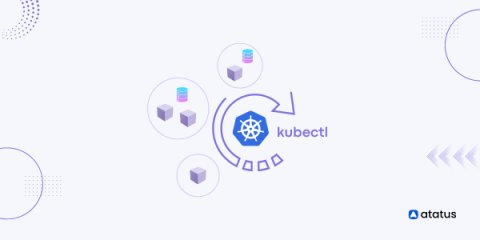
Managing containerized applications efficiently in the dynamic realm of Kubernetes is essential for smooth deployments and optimal performance. Kubernetes empowers us with powerful orchestration capabilities, enabling seamless scaling and deployment of applications. However, in real-world scenarios, there are situations that necessitate the restarting of Pods, whether to apply configuration changes, recover from failures, or address misbehaving applications.
In recent years, employees have grown increasingly accustomed to the untethered connectivity of Wi-Fi. For many, the days of having a computer tethered to an ethernet cable can seem like a distant memory. That was true when employees were working in an office, and it is all the more the case as we’ve moved to a hybrid work world.
This article will outline what Redis database monitoring is and how to set up a Redis database monitoring system with MetricFire. Then we’ll show what the final graphs and dashboards look like when displayed on Grafana. We will be using Prometheus and Grafana to power the monitoring, and we'll use a simulated Redis DB to generate the data for the Grafana dashboards.