Operations | Monitoring | ITSM | DevOps | Cloud

SQL Server Terms Translated into PostgreSQL

The rise in popularity of open-source RBDMs has encouraged many organizations to adopt PostgreSQL, but as a DBA or Developer, it can be challenging when exploring new database platforms, no matter how experienced you are. When looking at SQL Server, it has many similarities to PostgreSQL, but there are several big differences too.


Common API Vulnerabilities and How to Secure Them

Application programming interfaces (APIs) have become a critical part of almost every business. APIs are responsible for transferring information between systems within a company or to external companies. For example, when you log in to a website like Google or Facebook, an API processes your login credentials to verify they are correct.

Modeling and Unifying DevOps Data

“How can we turn our DevOps data into useful DevSecOps data? There is so much of it! It can come from anywhere! It’s in all sorts of different formats!” While these statements are all true, there are some similarities in different parts of the DevOps lifecycle that can be used to make sense of and unify all of that data. How can we bring order to this data chaos? The same way scientists study complex phenomena — by making a conceptual model of the data.

Making a move: How migrating to Ubuntu saved a life insurance company 60% in costs

Balancing high performance operations against the need to reduce total operating costs is a classical dilemma faced by both large and small organisations. This dilemma becomes particularly important when you choose the foundation of your IT infrastructure: the operating system. A recent case study by Tech Mahindra, the multinational IT services and consulting firm, details how their partnership with Canonical enabled them to shift the balance for a major Fortune 500 life insurance company.

13 Best Cloud Cost Management Tools in 2023

Businesses are increasingly turning to cloud computing to drive innovation, scalability, and cost efficiencies. For many, managing cloud costs becomes a complex and daunting task, especially as organizations scale their cloud infrastructure and workloads. In turn, cloud cost management tools can help teams gain better visibility, control, and cost optimization of their cloud spending. These tools not only provide comprehensive solutions to track and analyze, they also optimize cloud expenses.

SolarWinds Named Supplier on the Crown Commercial Service's G-Cloud 13 Framework

If you watched our recent SolarWinds Day: Secure by Design panel discussion, you know security is a critical need for all businesses today. Secure by Design is our guiding principle for how we built our security approach, adhering to government regulations and industry expectations.

Understanding and Optimizing CI/CD Pipelines

Building, testing and deploying software is a time-consuming process that many organizations aim to minimize by automating repeatable work wherever possible. To do so, many organizations are utilizing a continuous integration, continuous delivery (CI/CD) philosophy in combination with cloud native tools like Kubernetes to develop and deploy software at scale.

IDC Market Perspective published on the Elastic AI Assistant

IDC published a Market Perspective report discussing implementations to leverage Generative AI. The report calls out the Elastic AI Assistant, its value, and the functionality it provides. Of the various AI Assistants launched across the industry, many of them have not been made available to the broader practitioner ecosystem and therefore have not been tested. With Elastic AI Assistant, we’ve scaled out of that trend to provide working capabilities now.

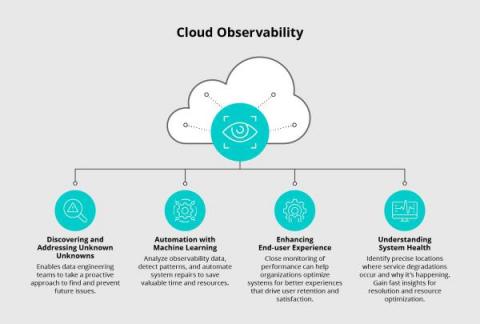
Cloud Observability: Unlocking Performance, Cost, and Security in Your Environment

A robust observability strategy forms the backbone of a successful cloud environment. By understanding cloud observability and its benefits, businesses gain the ability to closely monitor and comprehend the health and performance of various systems, applications, and services in use. This becomes particularly critical in the context of cloud computing. The resources and services are hosted in the cloud and accessed through different tools and interfaces.

4 Reasons MSPs Should Be Using Cybersecurity Frameworks

Cybercriminals have become increasingly sophisticated, employing aggressive and ever-changing techniques to breach small and medium-sized businesses (SMBs). These attacks are on the rise, posing a significant threat to organizations that lack robust cybersecurity measures. Hackers are relentless in their efforts to exploit vulnerabilities in SMBs’ systems, often due to their comparatively weaker security infrastructure.