Operations | Monitoring | ITSM | DevOps | Cloud

Grafana vs Prometheus [Detailed Technical Comparison for 2024]

Grafana and Prometheus have become integral components in observability stacks. This comprehensive analysis examines Grafana and Prometheus, two leading open-source tools that address critical aspects of system observability. We'll dissect their architectures, compare key features, and evaluate their performance in various deployment scenarios.

Mastering Kubernetes Logging - Detailed Guide to kubectl logs

Effective logging is crucial for maintaining and troubleshooting applications running in Kubernetes clusters. As applications become more complex, ensuring they perform optimally has never been more critical. In this comprehensive guide, we'll explore Kubernetes logging using kubectl, covering everything from basic commands to advanced techniques and best practices.

Introduction to Splunk Synthetic Monitoring in Splunk Observability Cloud

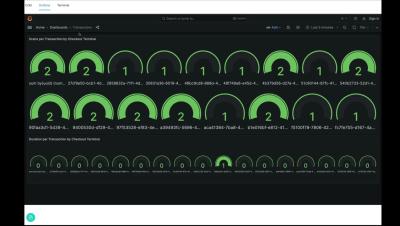
In this video I’m going to introduce you to Splunk Synthetic Monitoring in Splunk Observability Cloud. I’ll explain what synthetic monitoring is and then demonstrate a simple example by creating a browser test for a sample e-commerce site. I’ll also demonstrate how you can link issues found through synthetic monitoring with backend code due to its integration with Splunk APM.

Best Practices for Using JIT Access as Part of Developer Observability

JIT Access, sometimes referred to as just-in-time provisioning or just-in-time privileged access management (JIT PAM), is a security strategy that grants users access privileges for limited time periods. Access is granted on an “as-needed” basis. For example, if a developer requires access to a specific platform for a week or as part of an on-call access to production duty, a JIT Access system can provide that access and automatically revoke it after the time period ends.

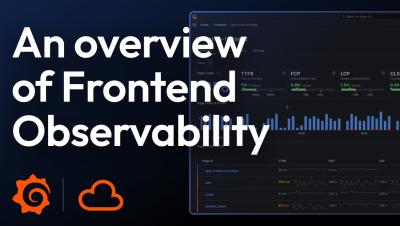
Gain actionable insights with real user monitoring: the latest features in Grafana Cloud Frontend Observability

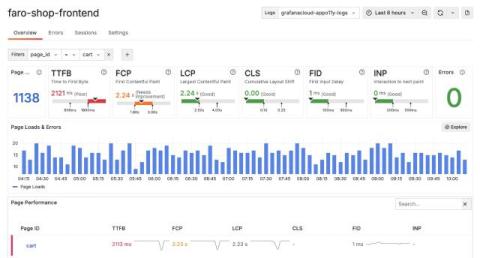
One of the biggest challenges observability teams face today is gaining end-to-end visibility into their cloud native apps, including modern browser frontends. Without that visibility, you potentially open the door to bad end-user experiences that can hurt customer satisfaction, reduce search engine discoverability, and interfere with overall business goals. This is the exact challenge we address with Grafana Cloud Frontend Observability.

Top 10 APM Tools - Comprehensive Comparison [2024 Guide]

Application Performance Monitoring (APM) tools are essential in software development landscape. As applications become more complex, ensuring they perform optimally has never been more critical. APM tools allow developers to monitor, diagnose, and optimize applications, ensuring a seamless user experience. In this article, we'll explore the top 10 APM tools available today, highlighting their features, pros, and cons to help you make an informed decision.

Why Observability is Critical to Cyber Resilience

Whether an enterprise operates in technology, healthcare, financial services, or another business vertical, cybersecurity must remain top of mind. In addition to the numerous international cybersecurity regulations, like the NIST Cybersecurity Framework, GDPR, and other mandates, enterprises must also prioritize cybersecurity to mitigate downtime, protect sensitive data, and uphold customer trust and brand reputation.

Building On-call: Our observability strategy

At incident.io, we run an on-call product. Our customers need to be sure that when their systems go wrong, we’ll tell them about it—high availability is a core requirement for us. To achieve the level of reliability that’s essential to our customers, excellent observability (o11y) is one of the most important tools in our belt. When done right, observability improves your product experience from two angles.

What Is Full-Stack Observability?

Monitoring used to be so easy. Servers had names and lived down the hall, or across the street. If things weren’t working, you could turn them on and off again. Database filling up? Just throw another hard drive in there. Too many simultaneous requests? Rack another server and install a cache. Fast forward a couple decades, and things have gotten much more complicated.

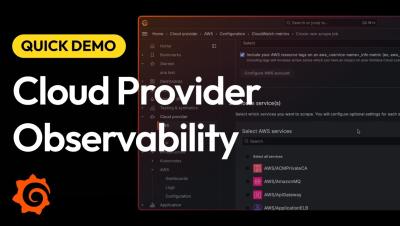
Introducing Cloud Provider Observability in Grafana Cloud | Demo | Grafana Labs

Learn how multi-cloud monitoring just got easier with Cloud Provider Observability in Grafana Cloud. In this video, you'll get glimpse at how the new app can enhance your observability strategy for all your major cloud providers. Plus you'll get a quick walk-through of the app.

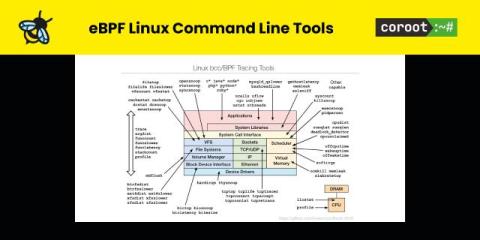
eBPF Linux Command Line Tools

eBPF is a powerful technology used by many observability solutions, including Coroot. While web-based observability tools like Coroot are invaluable, there’s a specific class of eBPF tools that often go overlooked (besides Brendan Gregg of course): eBPF Linux Command Line Tools. These tools are essential for diving deep into complex performance issues. But first – why would you need those at all if you have convenient observability focused web applications?

runqlat and runqslower - eBPF command line tools

In this blog post we will look at runqlat and runqslower commands. They are available in both BCC and bpftrace tool collections. One of the core functions of Linux operating system is to schedule processes across available CPUs. When service gets a request, Linux typically will need to schedule the process, processing that request to run on one of CPUs. This might be very quick process if idle CPU is available or it can take significant time, if all CPUs are currently busy running different processes.

gethostlatency - eBPF Command Line Tools

In this blog post we will look at gethostlatency command. It is available in both BCC and bpftrace tool collections. Most applications and services use hostnames, rather than IP addresses to communicate with other services. This means before connection to the service can be established, another request needs to be made – to DNS (Domain Name System). As such its performance and availability impacts performance of virtually all services in your environment, yet it is often ignored.

Why is observability important for TableFlow, and how does SigNoz help?

Monitor your applications and troubleshoot problems in your deployed applications, an open-source alternative to DataDog, New Relic, etc. Backed by Y Combinator. SigNoz helps developers monitor applications and troubleshoot problems in their deployed applications. SigNoz uses distributed tracing to gain visibility into your software stack.

Expand Your View of Observability

Observability is a buzzword that has gained a lot of traction in the IT industry lately. But what does it really mean, and how does it relate to the challenges that modern IT organizations face? At SolarWinds, we believe that the current analyst definitions of observability are too narrow and APM-focused. They focus too much on the cloud, neglecting critical on-premises assets and restricting where customers can deploy their observability solutions.

Fundamentals of a Successful Logging and Observability Strategy

Your team is responsible for ensuring the reliability and performance of your organization’s critical applications and infrastructure. What keeps you up at night? Your applications are more complex, distributed and cloud-native than ever, meaning that understanding what’s happening under the hood has never been more complex than it is now. Is it system bugs, or data bottlenecks? Chasing alerts for latency or service degradation that may or may not be business-critical?

Datadog vs Splunk - Which Monitoring Platform Is Right for You?

Datadog and Splunk are leading monitoring and observability platforms that offer comprehensive solutions for modern IT environments. Both tools share a wide range of features, making it challenging to choose between them. This article compares Datadog and Splunk on crucial aspects like application performance monitoring (APM), log management, search capabilities, and more to help determine which platform best fits your organization.

Introduction to Log Observer Connect in Splunk Observability Cloud

Log Observer Connect will allow you to connect to and view/query logs from your Splunk Enterprise or Splunk Cloud instance from within Splunk Observability Cloud. In this video, I will introduce you to Log Observer Connect in Splunk Observability Cloud and walk you through a demonstration of how it works. You’ll learn how to view and query logs, as well as save queries for later use. I’ll also walk you through a practical example of when you might use Log Observer Connect through the use of Related Logs.

Setup Log Observer Connect in Splunk Observability Cloud

Log Observer Connect will allow you to connect to and view/query logs from your Splunk Enterprise or Splunk Cloud instance from within Splunk Observability Cloud. In this video, I will briefly explain what Log Observer Connect is and then show you how to connect your Splunk Observability Cloud organization to a Splunk Enterprise instance through Log Observer Connect. TOC.

Observability Meets Security: Build a Baseline To Climb the PEAK

When we hunt in new environments and datasets, it is critical to build an understanding of what they contain, and how we can leverage them for future hunts. For this purpose, we recommend the PEAK Threat Hunting Framework's baseline hunting process.

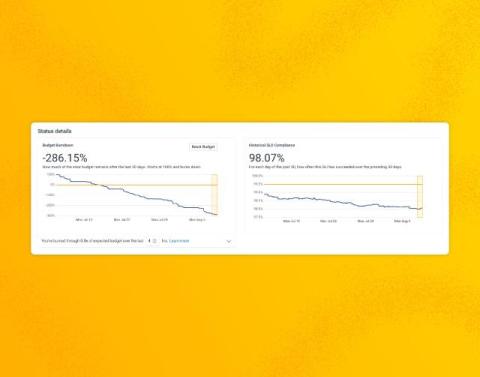
Aligning Business and Engineering Goals with Honeycomb SLOs

Setting clear, measurable goals is essential for any successful team. However, aligning those goals with the technical work can be challenging in the fast-paced world of software engineering. Engineers might focus on reducing latency or improving uptime, while business leaders look at revenue and customer satisfaction. It gets tricky to track the impact between the two to justify when specific engineering initiatives are important, why, and how they impact the bottom line.

What is Observability? A Comprehensive Guide to Observability Platforms, Tools, and Open Source Solutions

Explore the concept of observability in software systems and discover how it differs from monitoring. Learn about the importance of metrics, traces, and logs, and see how Uptrace can be a valuable tool in achieving effective observability.

Top 11 Cloud Observability Tools To Use In 2024

Cloud observability tools offer visibility into your cloud infrastructure. They collect data from various sources to help you understand your applications’ performance. The tools enable you to monitor, optimize, and troubleshoot your cloud environment. In this guide, we’ll share why cloud observability is important and the best tools to consider.

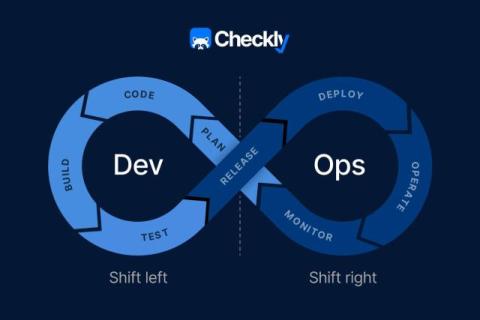
From Basic Monitoring to Modern Observability: Shifting Right and Observability as Code

I've been in the observability market long before it even had that name. Over the years, observability has undergone a significant transformation. As someone who has witnessed these changes firsthand, I can attest to the dynamic nature of this field. In the early days, it was largely about basic monitoring: tracking system metrics, lots of logs, and simple alerts.

A CoPE's Guide to Alert Management

Alerts are a perennial topic, and a CoPE will need to engage with them. The bounds of this problem space are formed by two types of alerts: Understanding what these alerts are and how to configure them is one thing. Thinking about what they each do for your organization, and how using one or the other affects things, is another. The latter will be the focus of this article.

Splunk Named a Leader in the Gartner Magic Quadrant for Observability Platforms

"Transformative Solution" says a Director of IT in a $30B+ retailer. "Best Monitoring and Observability Tool > Splunk," is how a software engineer in a software company labels it. These are only a couple of the terms our customers use when describing the value they are getting from Splunk. With these descriptions in mind, we are elated that Splunk has been named a Leader in the 2024 Gartner Magic Quadrant for Observability Platforms for the second year in a row in this category.

The Meaning of Monitoring & Observability in The Financial Services Industry

Monitoring and Observability of messaging and middleware has and will continue to be a function of increasing importance and this is especially true for organizations in the Financial Services industry. In the financial services industry, observability refers to the ability to monitor, measure, and analyze the performance, health, and security of financial systems, applications, messaging and middleware which power long running processes in real-time.

The four pillars of observability

When discussing the technical foundations of observability, several key components, often referred to as the “pillars,” emerge. While there is no universally agreed-upon number of pillars, this post will focus on four fundamental elements: metrics, logs, traces, and profiles. Due to the vast amount of data generated by metrics, logs, and traces, sampling is often employed to reduce data volume while maintaining representative information.

AIOps and Observability Market Soars: CloudFabrix Leads with Innovation and GenAI

AIOps and Observability Market is set to catapult with the advent of Generative AI and as per the recent Cisco article Observability is soon set-to-be a $34 billion market opportunity and CloudFabrix plays a vital role in this evolving landscape as it seamlessly integrates AIOps, Observability, and GenAI to offer a comprehensive solution that enhances IT Operations and drives industry-specific innovations.

Datadog named a Leader in 2024 Gartner Magic Quadrant for Observability Platforms

We are thrilled to announce that, for the fourth consecutive year, Datadog has been named a Leader in the 2024 Gartner Magic Quadrant for Observability Platforms. We believe that this placement reflects Datadog’s continued commitment to solving our customers’ most sophisticated challenges and building products that provide unmatched visibility into the performance, security, and cost of their traditional, cloud-based, or hybrid tech stack—from code to production.

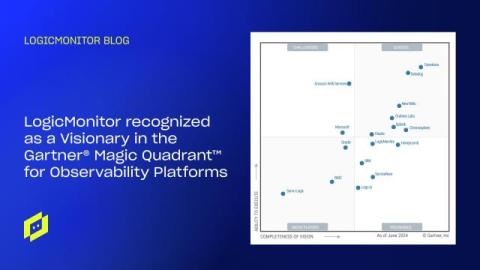
LogicMonitor named a Visionary in the Gartner Magic Quadrant for Observability Platforms

By Christina Kosmowski, CEO, LogicMonitor It’s been a remarkable year, with exceptional moments accelerating value and impact for our customers. Now, I am excited to announce an incredibly significant recognition as a Visionary in the Gartner Magic Quadrant for Observability Platforms, 2024.

Elastic named a Leader in the 2024 Gartner Magic Quadrant for Observability Platforms

Elastic has been named a Leader in the 2024 Gartner Magic Quadrant for Observability Platforms. The need for observability platforms continues to evolve as operations teams deal with increased complexity and exponential data growth. Emerging trends like generative AI are driving a paradigm shift in proactive root cause detection and resolution.

observIQ Expands Advanced Support for Sumo Logic in Security and Observability Data

We’re excited to announce that as part of our expanded alliance with Sumo Logic, observIQ extended its support for Sumo’s platform. This allows customers to send logs and metrics to Sumo Logic, leveraging our telemetry pipeline, BindPlane. We’ve also made it possible to automatically recommend processors in our pipeline that format data specifically as Sumo Logic expects—once Sumo Logic is a destination for BindPlane.

Datadog vs Dynatrace [Comprehensive Comparison for 2024]

In complex IT environments, monitoring and observability tools are indispensable. They help organizations ensure optimal performance of applications and infrastructure, providing insights and alerts to address potential issues before they impact users. Two of the leading tools in this space are Datadog and Dynatrace. This article offers a comprehensive comparison of these platforms to help you decide which is best for your needs in 2024.

Optimizing VPN Performance and Availability with Network Observability by Broadcom

In recent years, hybrid work approaches have grown increasingly commonplace, and for a significant percentage of users, VPN is the go-to approach for accessing secured corporate resources and services. In fact, one article reveals that 72% of desktop and laptop users employ a VPN. As the reliance on hybrid work models and VPN connectivity continues to grow, VPN health has emerged as a critical success factor for businesses.

How the Cribl SRE Team Uses Cribl Products to Achieve Scalable Observability

This is the first of a planned series of blog posts that explain how the Cribl SRE team builds, optimizes, and operates a robust Observability suite using Cribl’s products, Cribl.Cloud operates on a single-tenant architecture, providing each customer with dedicated AWS accounts furnished with ready-to-use Cribl products. This provides our customers with strict data and workload isolation but presents some interesting and unique challenges for our Infrastructure and operations.

Jaeger vs. Grafana Tempo: A Comprehensive Comparison for Distributed Tracing

When it comes to monitoring, diagnosing, and optimizing the performance of complex systems today, you can’t really go wrong with tracing tools. And while OpenTelemetry has become the go-to choice for instrumenting apps and collecting traces, there are several other options in the backend that can effectively store, manage, and analyze traces sent by OpenTelemetry. Two of these open-source tools are Jaeger and Grafana Tempo. In this article, we’ll compare and contrast the two.

The Future of Observability with AI! #youtubeshorts #observability #instrumentation #ai #ebpf

Explore the groundbreaking role of AI in elevating observability in the tech industry. Discover innovative perspectives on leveraging AI to identify potential issues before they escalate. This transformative technology is reshaping the way we perceive and manage system performance. Coroot is an open source observability platform that helps engineers fix service outages and even prevent them. It continuously audits telemetry data to highlight issues and weak spots in your services.

Dive into Observability with Instrumentation. #shorts #observability #instrumentation #ebpf

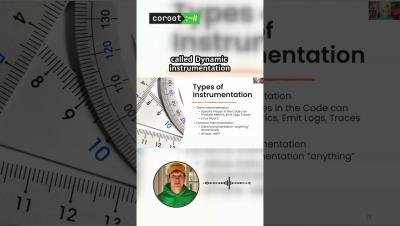
Discover the crucial elements of observability and how instrumentation plays a pivotal role in data collection. This insightful exploration delves into the two types of instrumentation: static, always-on metrics like ProcFS in Linux, and dynamic instrumentation that adapts to specific needs, powered by cutting-edge technologies such as D-Trace and eBPF. Coroot is an open source observability platform that helps engineers fix service outages and even prevent them. It continuously audits telemetry data to highlight issues and weak spots in your services.

Observability: See the Big Picture. #observability #devopstools #shorts #ebpf

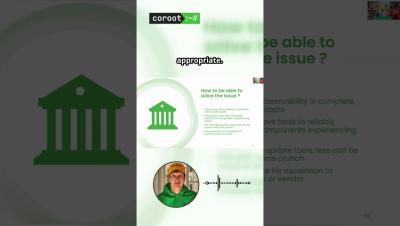
In an era where visibility into system performance is crucial, how do we ensure we see critical issues? With so many tools available, selecting ones that provide actionable insights tailored for developers rather than overwhelming them with unnecessary data is vital. Coroot is an open source observability platform that helps engineers fix service outages and even prevent them. It continuously audits telemetry data to highlight issues and weak spots in your services.

Navigating IT complexity: Observability vs. monitoring for Australian SMEs' digital transformation

While traditional IT monitoring holds back Australian small and medium-sized enterprises (SMEs) in digital transformation, these organizations do realize that in the realm of IT operations, observability represents a significant advancement over traditional monitoring approaches. Unlike conventional methods that primarily focus on metrics like uptime and error rates, IT observability provides a comprehensive view of system behavior by integrating logs, metrics, traces, and events.

The CoPE and Other Teams, Part 2: Custom Instrumentation and Telemetry Pipelines

The previous post laid out the basic idea of instrumentation and how OpenTelemetry’s auto-instrumentation can get teams started. However, you can’t rely only on auto-instrumentation. This post will discuss the limitations in more detail and how a CoPE can help teams overcome them.

Monitor your Anthropic applications with Datadog LLM Observability

Anthropic is an AI research and development company focused on building reliable and safe artificial intelligence systems. Their flagship product is Claude, an advanced language model and conversational AI assistant known for its strong capabilities in natural language processing, reasoning, and task completion. Anthropic places a particular emphasis on AI safety and ethics, and its models and APIs are used by organizations across various industries to build powerful, safe, and performant AI applications.

Elastic Observability 8.15: AI Assistant, OTel, and log quality enhancements

Elastic Observability 8.15 announces several key capabilities: New and enhanced native OpenTelemetry capabilities: Elastic AI Assistant enhancements: Large language model (LLM) observability for Azure OpenAI: Elastic Observability now provides deep visibility on the usage of the Azure OpenAI Service. The integration includes an out-of-the-box dashboard that summarizes the most relevant aspects of the service usage, including request and error rates, token usage, and chat completion latency.

Unlock Actionable Insights with Coroot! #observability #youtubeshorts #devopstools #data

Coroot may not overwhelm you with endless dashboards, but it shines in delivering the most crucial data insights for your projects. With a focus on less is more, it helps eliminate information overload and keeps you focused on what truly matters. Discover how Coroot provides comprehensive infrastructure coverage and powerful root cause analysis capabilities, allowing you to pinpoint issues efficiently.

Stop Disk Space Issues Before They Hit! Preventative Maintenance. #youtubeshorts #observability

Discover how observability can be a game-changer in your system's performance! Prevent disk space issues before they become disasters, stay ahead of potential failures, and learn about effective alerting strategies to keep your organization running smoothly. Coroot is an open source observability platform that helps engineers fix service outages and even prevent them. It continuously audits telemetry data to highlight issues and weak spots in your services.

Top 10 Observability Tools in 2024

Evolution of distributed systems and microservices architectures has increased the complexity of modern IT infrastructures. This complexity demands robust observability solutions to ensure optimal system performance, rapid incident response, and informed decision-making. This comprehensive guide explores the top observability Tools in 2024, detailing their features, strengths, and potential drawbacks to help organizations make informed choices in their observability strategies.

Coroot v1.4: Data Transfer Cost Monitoring and More

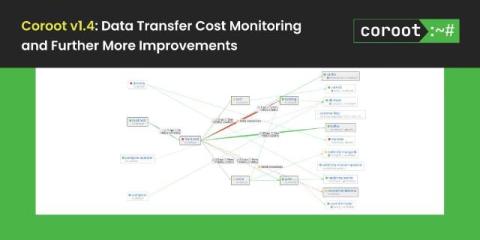
We’re excited to announce the release of Coroot v1.4! Along with various UI improvements, this update brings a new feature: network traffic monitoring. Now, you can easily see how much data is being transferred between your applications and, more importantly, how much it costs. Let’s dive into the details. In this post, we’ll explore the enhancements and new features included in this release.

Open source magic! Coroot simplifies observability. #yotubeshorts #observability #devopstools

Dive into the world of open-source solutions and explore how Coroot revolutionizes observability with its cutting-edge technology. This open-core software seamlessly integrates with your applications, making instrumentation a breeze—even for encrypted traffic! Experience robust monitoring capabilities without the cumbersome setup. Uncover the future of observability today!

Hidden gems of observability!

Observability isn't just a buzzword—it's a vital component of modern computing. In recent webinar Peter Zaitsev discusses the multifaceted world of observability, highlighting its critical role in ensuring both application performance and user experience. Discover how different systems, from application performance management (APM) to infrastructure monitoring, collaboratively work to provide insights into user interactions and business outcomes. Explore why understanding these dynamics is essential for both developers and businesses striving for excellence.

Managing Observability Pipeline Chaos

The cloud environment has generated an unprecedented volume of data, making it increasingly difficult for enterprises to manage. With multiple SaaS and cloud-based applications in play, differentiating which data needs processing for analysis versus storage for regulatory compliance is a significant challenge. The growing number of data sources only complicates this further. So, getting clarity and control over this chaos is the goal, without having to overhaul your entire system.

Topology for Confident Observability and Digital Resilience

In recent years, we’ve significantly advanced how we think about and use topology within AIOps and Observability solutions from Broadcom, while solidly building on our innovative domain tools. We’re eager to share these innovations, advancements, and benefits for IT operations. In this blog post, we level-set on the topic of topology, clarify several important concepts, and discuss the decisive role topology plays in delivering powerful capabilities for AIOps and Observability from Broadcom.

Are Cloud Observability Solutions Breaking the Bank? #youtubeshorts #observability #devopstools

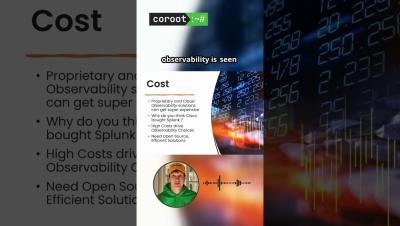
Is the price of cloud observability becoming a burden for your infrastructure? Many professionals are concerned about the skyrocketing costs associated with proprietary observability tools like Datadog. With major acquisitions, such as Cisco's purchase of Splunk, one has to wonder if affordability is compromised in favor of profit. How essential is observability in today's tech landscape, and what alternatives exist?

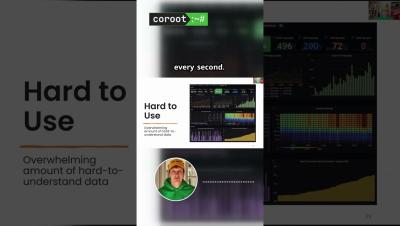
Is too much data making your job harder? #youtubeshorts #dataanalytics #observability

What happens when capturing vast amounts of data becomes overwhelming instead of insightful? For years, vendors have prioritized collecting vast metrics, boasting thousands of data points. But is this approach beneficial, especially for developers who may not be observability experts? Understanding metrics shouldn't feel like deciphering a foreign language. Coroot is an open source observability platform that helps engineers fix service outages and even prevent them. It continuously audits telemetry data to highlight issues and weak spots in your services.

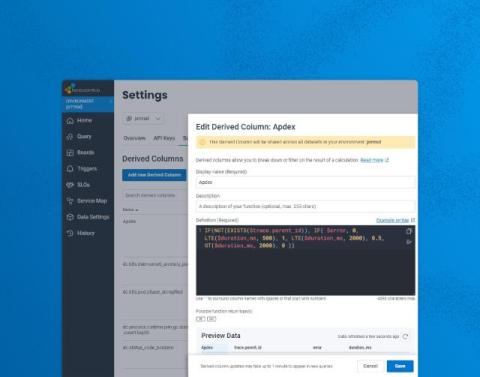
Apdex in Honeycomb

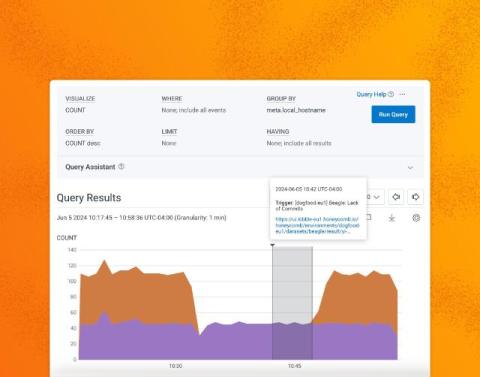
“How is my app performing?” is one of the most common, yet hardest questions to answer. There are myriad ways to measure this, like error rate, average response time, and so on. Enter the Application Performance Index (aka Apdex), a single metric that attempts to answer, “Are my application’s users happy?” Apdex is an open standard that was formalized in 2005 by the Apdex Alliance.

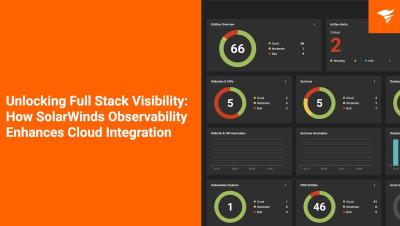
Unlocking Full Stack Visibility: How SolarWinds Observability Enhances Cloud Integration

Resolving an incident before end users are impacted is the new standard, but managing separate observability and incident management solutions is tempting fate. You are at risk of an issue slipping through the cracks. It's time to consolidate, streamline, and decomplexify your operations. Hybrid Cloud Observability combined with SolarWinds Observability and SolarWinds Service Desk make all of this much, much easier.

Ensure Full Stack Observability Between Mainframe and Cloud/Container Applications with AIOps from Broadcom

As enterprises advance on their cloud/modernization journeys, many teams struggle to achieve full stack observability. These teams are finding that mainframe systems are a ”critical path” for applications that deliver business-critical digital services to customers, partners, and employees.

8 Key Insights for My Clients from the OpsRamp State of Observability Report

The OpsRamp State of Observability 2024 report not only presents fascinating data from a strong sample of IT leaders, but also outlines many highly actionable findings. As an independent analyst and advisor, I appreciate how this report outlines a powerful action plan for any CIO, CTO, or other IT leader who has not yet adopted or achieved success with observability.