
Operations | Monitoring | ITSM | DevOps | Cloud

What if You Could Autonomously Monitor Across Your Databases?

When DevOps teams talk about monitoring a database, the primary motivation is to ensure that the database won’t suffer a performance hiccup. Long queries, timeouts and table scans are among the most popular causes behind lousy customer experience. However, in recent years, more data has been shifted to cloud databases.

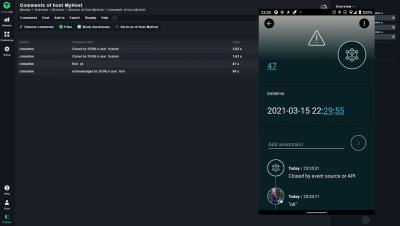
How to get mobile push notifications from any service

Love 'em or hate 'em, mobile push notifications can be very useful. They are not as intrusive as a phone call and have better information formats and control than text messages. Which is why it can be very frustrating to not get push notifications for your favorite product because it doesn't have a mobile app. In this post, we will see how to get mobile push notifications from any service, even if they don't have a mobile app.

How to get mobile push notifications from Spike.sh

When an issue happens in your software in production, the channel to send the alert on depends on multiple factors. If it's a critical issue requiring immediate attention, you should alert the team member via phone call. But not all issues require a phone call, and in fact it may become annoying if your phone keeps ringing for minor issues. This is where other channels like SMS, Slack and mobile push notifications come in.

Alert Fatigue and Your Health

As an on-call engineer, you might deal with the day-in, day-out occurrence of alerts. These alerts may come from your alerting provider (PagerDuty, OpsGenie, etc.), Slack notifications telling you the site is down, or the ever concerning text message "Hey, is the site down?". These alerts elicit reactions that range from "shit" to "again?" and in many cases, both.