Operations | Monitoring | ITSM | DevOps | Cloud

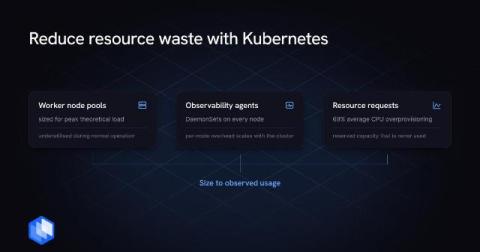
How to Reduce Resource Waste with Kubernetes

Kubernetes has changed the way teams deploy and scale applications, but many organizations overlook a critical aspect of running it well: resource utilization. Kubernetes excels at scheduling and scaling workloads. Making sure those workloads actually use the resources they reserve still falls on operations teams.
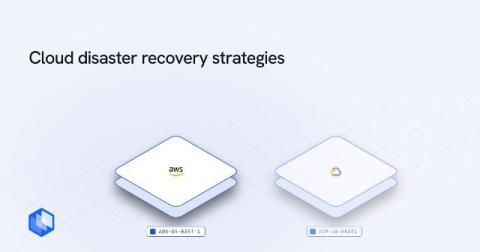
Cloud disaster recovery strategies, RTO/RPO targets, and best practices

Most DR plans have a fatal assumption baked in, namely that the cloud provider stays up. Your runbook says “failover to us-west-2.” That works until the provider’s control-plane services degrade and the credentials, APIs, or DNS management your failover workflow depends on become unreliable. Single-provider DR is disaster deferral.

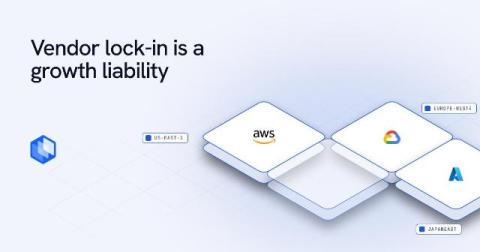
The Case for Multi-Cloud: Why Vendor Lock-In Is a Growth Liability

Multi-cloud architecture protects engineering organizations from three compounding liabilities that single-cloud stacks accumulate silently: a narrowing hiring pool, data residency exposure that surfaces the moment you sign a regulated enterprise customer, and eroded pricing power at exactly the point your cloud spend is accelerating fastest. Redundancy is a side benefit, not the reason to adopt it. The redundancy argument for multi-cloud is the wrong argument to make early.

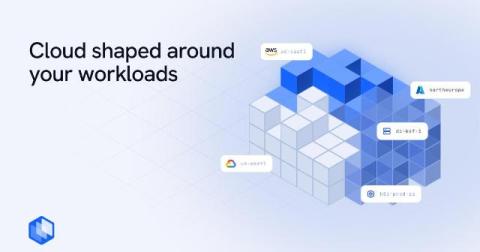
Build a Cloud Shaped Around Your Workloads

a few years ago, nobody was asking where their inference layer should run. Now it’s on the roadmap, or already in production and costing more than anyone budgeted. Or perhaps you’ve built an agent infrastructure that spins up on a request and vanishes by midnight. Or you need GPUs that are priced like a luxury good on the hyperscalers, so you go source them from a neocloud like Lambda.

Why Cost-Cutting Usually Breaks Your Product (And What to Do Instead)

Reactive cloud cost-cutting leads to “Infrastructure Atrophy,” sacrificing performance and reliability for short-term savings. The 2026 solution is cloud cost optimization, leveraging scale-to-zero and pay-per-use architectures to eliminate idle waste without compromising product health.