We Celebrate Linux Turning 30!
Some very special guests join us to celebrate Linux turning 30!


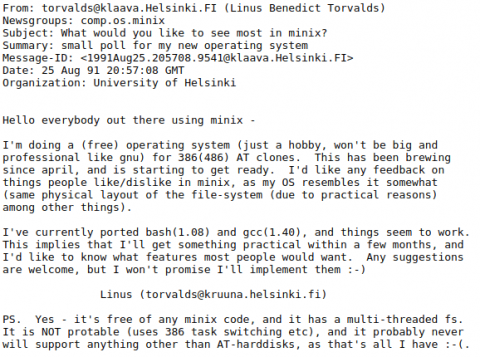
Thirty years ago today, Linus Torvalds announced his free operating system to the world. As with many of the world’s greatest, Linux had humble beginnings as a very small pet project. The GNU was working on an ambitious free, public domain operating system but the project had been delayed, and enthusiasts were quick to adopt Linus’ new project.
Extended Berkeley Packet Filter (eBPF) is a relatively new feature for Linux kernels that has many DevOps, SREs, and engineers excited. But is it a one-stop shop solution for all of your Linux kernel needs? Let’s take a look at what eBPF does well, and how it stacks up against standard Linux iptables.
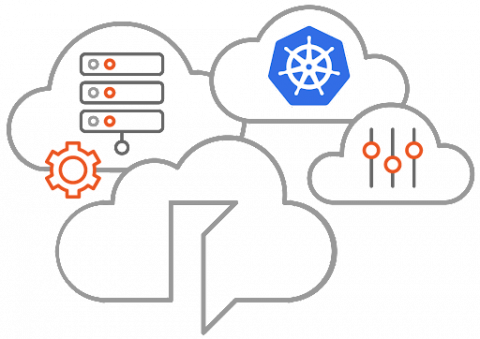
How can you run a fully managed Kubernetes in a private cloud at half the cost of Amazon EKS (Elastic Kubernetes Service)?
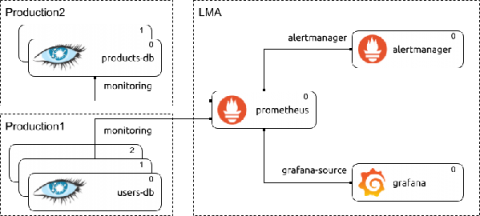
In the first post of this series, we covered the general idea and benefits of model-driven observability with Juju, but did not dive deep into the idea of contextualization and how it makes observability more actionable. In this post we start addressing what contextualization means in model-driven observability, starting from adding Juju topology metadata added to telemetry, and how that improves the processing and querying the telemetry for charmed applications.
From autonomous mobile robots to robot butlers. It is impressive to see how much progress has been made in the last decade. Thanks to our open source robotics community we keep learning, and this newsletter is filled with events, R&D updates, new products and tutorials for you. Thanks July!
Almost all tasks within a Linux system, whether it’s an application, system daemon, or certain types of user activity, are executed by one or more processes . This means that monitoring processes is key to detecting potentially malicious activity in your systems, such as the creation of unexpected web shells or other utilities.
Kubernetes operations (kOps) is one of the official Kubernetes (K8s) projects. The kOps project allows for rapid deployment of production-grade K8s clusters in multiple cloud platforms. By leveraging yaml manifests, kOps delivers a familiar experience to users who have worked with kubectl. Similar to K8s clusters in popular cloud platforms, kOps helps set up self-managed clusters to easily deliver high availability.
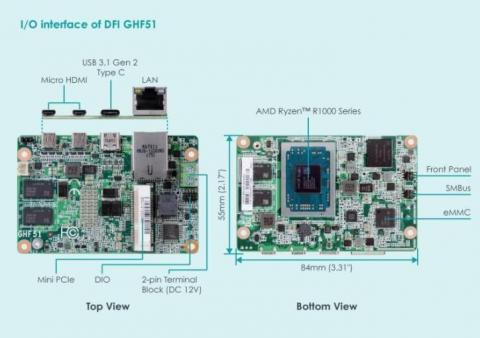
Canonical and DFI announce that the GHF51 and EC90A-GH, have been certified, based on the latest AMD-based platform. Both offer improved performance, a smaller footprint, and full access to open-source software with Ubuntu and Ubuntu Core. These are part of the first wave of products that passed the Ubuntu IoT hardware certification.
Learn how to Install HAProxy on Ubuntu 20.04. Ubuntu 20.04 is a great choice for installing your HAProxy software load balancer. It’s a free Linux operating system that’s fast, secure, and best of all, it’s easy to use. One of the features that makes Ubuntu so accessible to even the newest of users is its package manager, apt , the Advanced Packaging Tool.