A CTO & CFO Approved Guide to Managing Your Tech Spend in Tough Economic Times
With budgets tightening across the board, how should you assess and measure the value of your tool spend?


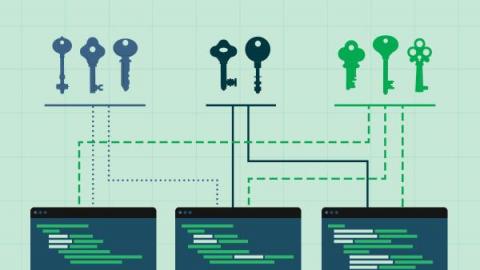
In our article on managing static credentials, we discussed the necessity of secrets — the passwords, tokens, and API keys that connect digital services together — and the importance of keeping them secure so that your infrastructure and data are kept safe from intrusion and misuse. For organizations delivering software at scale, managing credentials across multiple teams and projects can quickly become tedious and error-prone, creating bottlenecks and unnecessary risk.
Cloud CI/CD is a force multiplier for development teams, especially those working remotely. Automated CI/CD takes load off of developers, allowing them to focus on building better products. Hosted CI/CD adds further benefit to this, ensuring that this newfound capacity isn’t spent managing the testing and deployment infrastructure, and that remote team members have easy access to CI/CD tools.
If you’ve worked in a large, security-minded organization, you know how developers’ need for speed often clashes with the organization’s need for security. Often this conflict erupts into a high-stakes battle between two teams with very different priorities and perspectives. Ok, it may not always be so dramatic, but the challenge of control and empowerment is very real.
As a software engineer, one of your goals is to ensure that your product can be accessed globally by your customers. It’s not enough that an app is bug-free and works flawlessly if it only works on localhost. Docker was introduced to solve the “it works on my machine” problem. For example, the particular version of a programming language a developer is using on Windows or MacOS may not be working on the hosting server.