Testing basics | Functional vs non-functional
To learn more about functional vs non-functional testing, visit: https://circleci.com/blog/functional-vs-non-functional-testing/


To learn more about functional vs non-functional testing, visit: https://circleci.com/blog/functional-vs-non-functional-testing/
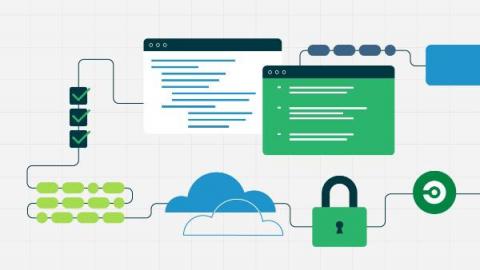
Software development teams face a large and growing number of obstacles: shifting design requirements, organizational blockers, tight deadlines, complicated tech stacks and software supply chains. One emerging challenge that developers and IT leaders face is the need to stay compliant with regulations and control frameworks that stipulate comprehensive data security, incident response, and monitoring and reporting requirements.
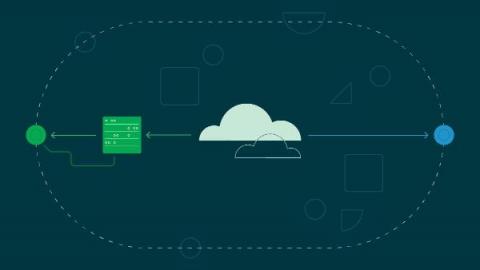
By now, almost everyone is familiar with cloud computing in one form or another. Throughout the 2010s, the concept of cloud computing evolved within the software industry, then worked its way into everyday life as a universal household term. Somewhat less familiar is the concept of edge computing. The genesis of the “edge” dates to the first content delivery networks in the 1990s. Since then, the edge concept has primarily been the domain of network engineers.
Known for its cross-platform compatibility and elegant structure, ASP.NET Core is an open-source framework created by Microsoft for building modern web applications. With it, development teams can build monolithic web applications and RESTful APIs of any size and complexity. Thanks to CircleCI’s improved infrastructure and support for Windows platforms and technology, setting up an automated deployment process for an ASP.NET Core application has become even easier.
Continuous integration/continuous delivery (CI/CD) tools give developers the ability to automate the software development process. As soon as developers push code to git, your CI/CD system can build, test, stage, integration test, deploy, and scale. That’s fantastic! In this tutorial, we will look at CircleCI orbs and how they can support your CI/CD practice. We’ll look at how to use multiple orbs and how orbs can help with multi-builds for a variety of application types.
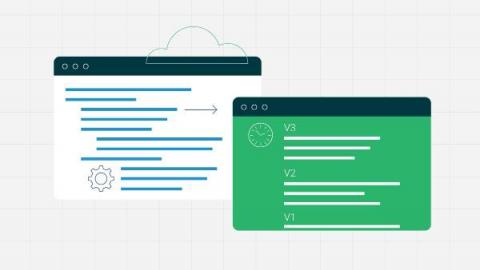
Configuring applications, services, and environments by modifying plain text files is a standard part of modern software development. Configuration as Code (CaC) takes this one step further by systematically generating, storing, and managing configuration files. CaC allows development teams to automate config management for their applications and environments while ensuring consistency and traceability throughout the development life cycle.
The first continuous integration (CI) tools were all self-hosted, meaning they ran on a developer’s local computer or server. Although this setup was viewed favorably by dev teams at the time, it has limited flexibility, and developers had to spend time maintaining the infrastructure.
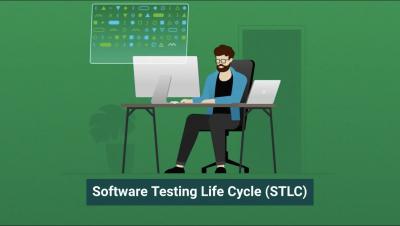
For more information, read this tutorial: https://circleci.com/blog/intro-to-software-testing-life-cycle/
Imagine you want to build and deploy a Nuxt3 app on Netlify. Because custom scripts are not allowed on Netlify, you will not be able to perform custom tasks like automated testing before deploying the website to your Jamstack hosting platform. That is where continuous integration/continuous deployment comes in. With a CI/CD system, you can run the kind of automated tests that create successful deployments.