An introduction to Redis
Aiven for Redis® Join us as we take a look at all of Redis's ins and outs.


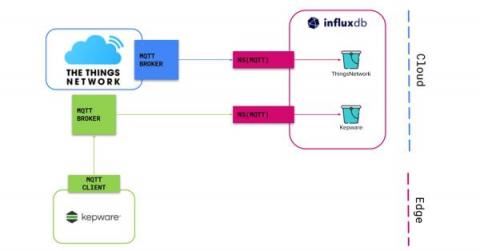
Learn how to deploy InfluxDB Cloud’s Native Collectors with Kepware and The Things Network. Did you hear about the new feature that just dropped to InfluxDB Cloud? Native Collectors! Starting with MQTT. There will be plenty of content to get you started with Native Collectors. So this blog series covers connecting two popular IoT-based platforms to InfluxDB Cloud using native Collectors. One Enterprise use case and one industrial use case.
MQTT is a messaging protocol used widely in the IoT space. Its publish/subscribe model is ideal for IoT because multiple devices can send data to a single MQTT broker, which MQTT clients can then access. The MQTT integration for InfluxDB’s native collector feature is a fast and easy way to create cloud-to-cloud data pipelines. Here’s the lowdown on using the Native MQTT collector. Who: Users and companies that rely on MQTT to provide time series data for their applications.