Operations | Monitoring | ITSM | DevOps | Cloud

Infrastructure Observability with Resource Events

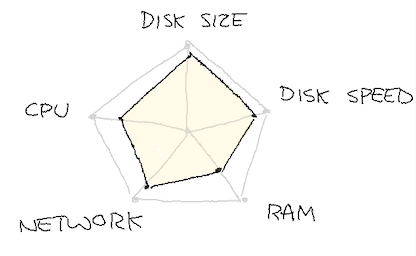
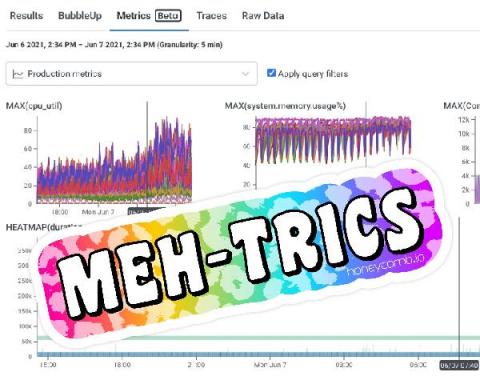
You may have seen the Honeycomb white paper on metrics, and want to use the power of Honeycomb with metrics. Sending infrastructure metrics data to Honeycomb has always been possible, but with our focus on debugging the user experience inside the application, it isn’t the first or most obvious thing to do. This post will discuss why we use metrics in general and how to think about metrics in Honeycomb.

Announcing Honeycomb's extension for the AWS Lambda Runtime Logs API

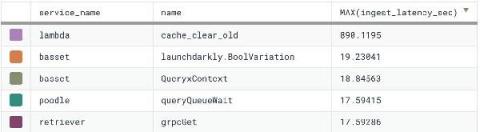
Today, AWS announced the AWS Lambda Runtime Logs API, a new way to easily send logs from AWS Lambda functions directly to your destination of choice. AWS Lambda Extensions, announced in October, provide the ability to run code in parallel that is independent of your function’s lifecycle. We’ve created an extension that utilizes the Lambda Runtime Logs API to send your logs directly to Honeycomb.

The Future of Ops Careers

Have you seen Lambda: A Serverless Musical? If not, you really have to. I love Hamilton, I love serverless, and I’m not trying to be a crank or a killjoy or police people’s language. BUT, unfortunately, the chorus chose to double-down on one of the stupidest and most dangerous tendencies the serverless movement has had from day one: misunderstanding and trash-talking operations.

New Product Updates What Does it Mean to Observe and Debug in 'Hi Res'

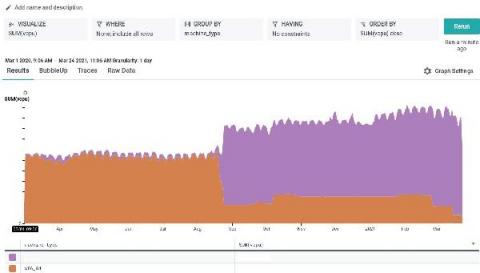
A number of Honeycomb features have been released throughout spring 2019 that, collectively, we like to say deliver “hi-res” across the Engineering and DevOps lifecycle. What do we mean? First, hi-res with Honeycomb means you get clearer visibility about how your production is behaving in real time, as you release new code. Secondly, it means once you have those insights (thanks to granular event data stored in Honeycomb), you can debug and resolve more efficiently. So, how do we do it?

Eaze into Observability

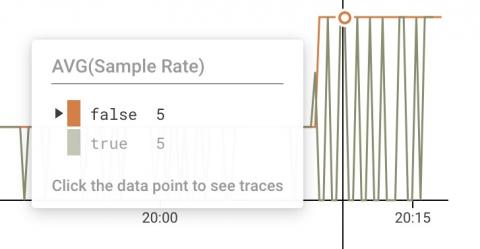
On-call teams use Honeycomb’s analytics to discover exactly what is happening with code in production. While incident response is a key reason engineers rely on Honeycomb, observability also delivers unique value during the development process. Eaze takes observability a step further and uses Honeycomb to prioritize what’s needed to stabilize their existing service while informing how they build their new Go and Node.js microservices platform all at the same time.