How to monitor your scheduled server actions with Heartbeat checks
Learn how you can implement heartbeat monitoring of your scheduled server actions with Checkly.


Today’s a big day at Checkly; we’re thrilled to announce that next to Browser and API checks we released a brand new check type to monitor your apps — say “Hello” to Heartbeat checks! In the realm of software, ensuring uninterrupted functionality is critical. While synthetic monitoring helps you discover user-facing problems early, keeping a close eye on the signals coming from your backend can be just as vital.
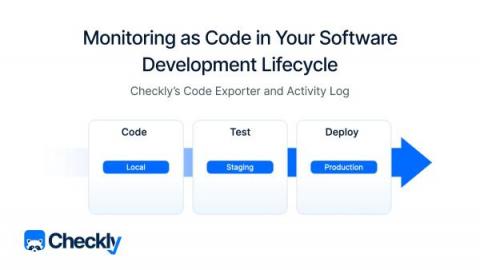
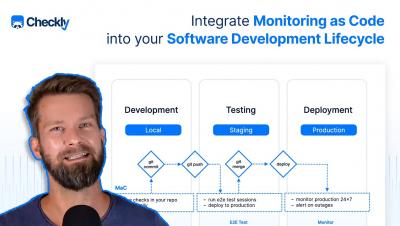
When we launched the Checkly CLI and Test Sessions last May, I wrote about the three pillars of monitoring as code. Code — write your monitoring checks as code and store them in version control. Test — test your checks against our global infrastructure and record test sessions. Deploy — deploy your checks from your local machine or CI to run them as monitors.
With Infrastructure as Code and service-oriented development, a modern web app can consist of countless moving parts developed by multiple development and DevOps teams. When establishing a high-velocity development environment, the main question is, "How can you guarantee a stellar end-user experience when lots of engineers are constantly pushing and deploying code?" Solid, easy-to-write, and clearly defined monitoring practices are the only answer to this question.
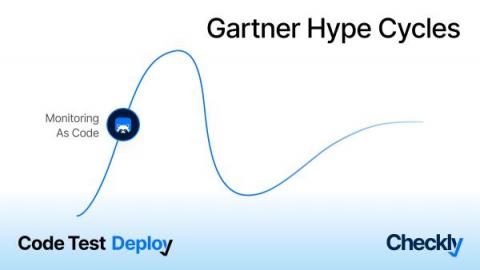
Earlier this week we shared some exciting news. Checkly has made its mark in not one, but two Gartner Hype Cycles reports. We're being recognized for something we're super passionate about - Monitoring as Code (MaC). This recognition comes in the Hype Cycle for Monitoring and Observability and the first ever Hype Cycle for Site Reliability Engineering. It's a big deal for us, and here's why it should matter to you, too.