Operations | Monitoring | ITSM | DevOps | Cloud

How to Migrate From SQL Server to Oracle

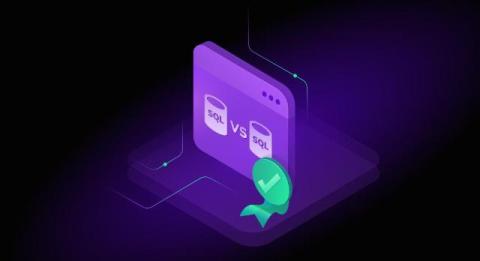
Database migration involves transferring data, schemas, and other database objects from one database system to another. How can you migrate data from SQL Server to Oracle with minimal disruption and maximum efficiency? In this article, we will explore the key reasons why companies might choose to migrate from SQL Server to Oracle and how to tackle migration challenges. Also, we’ll provide step-by-step guides on how to execute this migration using the following tools.

How to Install SQLite3 ODBC Driver?

Need a reliable bridge between SQLite and any ODBC-compliant software, such as Excel, Power BI, or programming languages like Python and.NET, to execute SQL queries, retrieve data, and interact with SQLite databases? Devart ODBC driver for SQLite is a software interface that enables applications to interlink with SQLite databases using the universal ODBC standard.

How to Run SSIS Package With Multiple Parameters From a Batch File

Running an SSIS package with multiple parameters from a batch file might sound like a niche skill, but it’s a game-changer for anyone looking to streamline their workflows and enhance efficiency. This approach offers a simple yet powerful way to automate and control complex data integration processes without manually adjusting configurations every time.

Methods to Copy Data Using dbForge for MySQL

Data copying and migration are essential database tasks that arise frequently. Fortunately, many tools are available to assist database users in performing these tasks, with dbForge Studio for MySQL standing out as one of the most versatile and reliable solutions on the market. This article explores the data migration options offered by dbForge Studio for MySQL, highlighting how they allow users to achieve their goals quickly and efficiently.

TOP 10 MySQL GUI Tools for Efficient Database Management on Windows [2025]

The ongoing debate between the users of GUI-powered tools and the devotees of command-line utilities is centered around the respective strengths of both approaches. The biggest strength of the former is, naturally, the smooth and easy experience of interaction with databases, which makes GUI tools so attractive to beginners and seasoned professionals alike. In this article, we’ll explore the most popular Windows-compatible GUI tools for MySQL.

How to Connect to Oracle Database From Python With Devart Python Connector

Connecting Python projects to Oracle databases is an essential step for many workflows, but the process can feel unnecessarily tedious. Dependency-heavy setups, complex setup files like tnsnames.ora, and platform compatibility issues can make even straightforward projects frustratingly complex. To keep workflows running well, developers must discover a reliable and effective approach to connect Python to Oracle.

Best 7 DBVisualizer Alternatives

Due to its wide compatibility, user interface, and broad range of functions, DBVisualizer is frequently chosen by database developers, administrators, analysts, and other specialists who work with databases. However, it’s not the only option for database management. This article will explore seven other IDEs and compare them by features.

Effortlessly Generate Realistic Test Data With dbForge Studio for PostgreSQL

Discover how to create realistic, production-like test data with ease! In this step-by-step tutorial, we explore the powerful Data Generator feature in dbForge Studio for PostgreSQL. Learn how to customize columns, maintain referential integrity, and generate data for your database efficiently. Perfect for developers and QA engineers. Watch now and try dbForge Studio for PostgreSQL with a free 30-day trial!

Difference Between Blocking and Deadlocks in SQL Server

When it comes to database performance optimization, database administrators or developers must understand the differences between blocking and deadlocks in SQL Server because these concepts often need clarification. Blocking and deadlocks help handle access to shared resources when working with concurrent transactions. However, improper management or a lack of awareness about their behavior may lead to performance issues, such as failures and delays in processing transactions.