Operations | Monitoring | ITSM | DevOps | Cloud

The Sustainability Challenge: Can Cloud Computing Keep Up?

Join Mark Boost, CEO of Civo, along with Chief Technical Officer Dinesh Majrekar and Chief Innovation Officer Josh Mesout, as they explore the critical intersection of innovation and sustainability in cloud computing at Civo Navigate Europe 2024. Together, they will discuss the challenges the industry faces, including rising energy consumption, the impact of AI, and the urgent need for transparency.
Docker Log Rotation - Definition, Configuration Guide, and Best Practices

Docker containers generate logs to monitor their operations, but without a mechanism in place to manage these logs, they can grow indefinitely, leading to excessive disk space consumption and performance degradation. Implementing docker log rotation is crucial to control log file size and quantity, ensuring efficient log management and optimal system performance.

Single Pane of Glass Monitoring - Quick Guide & Open Source Solution

Single Pane of Glass (SPOG) monitoring is a term used to denote monitoring applications with a single tool that provides a comprehensive set of dashboards for the entire software system of an organization. Managing multiple monitoring tools for different aspects of the IT system becomes too cumbersome. And that’s how the concept of a single pane of glass monitoring evolved. Most modern applications are now built using distributed software systems.

Operator vs. Helm: Finding the best fit for your Kubernetes applications

Kubernetes operators and Helm charts are both tools used for deploying and managing applications within Kubernetes clusters, but they have different strengths, and it can be difficult to determine which one to use for your application. Helm simplifies the deployment and management of Kubernetes resources using templates and version-controlled packages. It excels in scenarios where repeatable deployments and easy upgrades or rollbacks are needed.

DX App Synthetic Monitor (ASM): Introducing Synthetic Operator for Kubernetes

DX App Synthetic Monitor (DX ASM) performs synthetic checks from an external perspective to replicate real-user experience. Using the DX ASM global network of more than 90 monitoring stations, customers can test a website or application on a 24/7 basis, with no disruption to production systems. The solution also provides the option to create on-premises monitoring stations (OPMS) within a data center to monitor web applications and APIs inside the firewall.

AI vs. Human: Kelsey Hightower on the Battle for the Future of Development!

In this eye-opening keynote from Civo Navigate Europe 2024, Kelsey Hightower explores the future of software development in a world increasingly dominated by AI. Will AI tools like ChatGPT replace developers, or will they simply reshape the role of software engineers? Learn about the intersection of AI, open-source, Kubernetes, and what it means for the future of tech careers.

GenAI Meets K8s: The Role of Generative AI in Overcoming Kubernetes Complexity

For years, the potential of AI in operations has been a hot topic, often promising more than it delivers. As Kubernetes environments grow increasingly complex, the limitations of traditional monitoring and troubleshooting tools become glaringly apparent. But with the rise of GenAI, a new question emerges: Is AI finally ready to transform the way we manage and optimize Kubernetes Operations?

Guide to Adding K8 Inventory Stats to Your Telegraf Daemonset

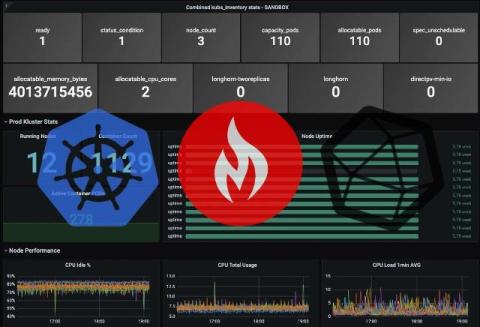
Having insights into your Kubernetes environment is crucial for ensuring optimal resource allocation and preventing potential performance bottlenecks. It also enables proactive monitoring of application health and security, helping to quickly identify and resolve issues before they impact users.

How to Derive Value from GenAI Application Development & Deployment Without Compromising on Security

The Generative Artificial Intelligence (GenAI) innovations and advancements over the past 1.5 years have been unmatched. Gartner predicts that by 2026, more than 80% of enterprises will have deployed GenAI-enabled applications in production environments and/or used GenAI application programming interfaces or models. This is up from less than 5% in 2023.

Are We Facing a Workforce Apocalypse? Frank Thelen on AI's Impact!

Join us for an exciting keynote session from Civo Navigate Europe 2024 in Berlin, featuring renowned European serial founder and technology investor Frank Thelen. In an engaging conversation with Civo's CEO Mark Boost and CTO Dinesh Majrekar, Frank dives deep into the future of technology, discussing the rapid evolution of AI, robotics, and quantum computing. He shares insights on how these technologies will reshape industries, enhance daily life, and revolutionize job recruitment processes.

Heroku to AWS Migration: Complete Guide for a Seamless Transition

Feeling overwhelmed by the complexities of migrating your application from Heroku to AWS? You're not alone. Many organizations face challenges like infrastructure management, scaling, and data transfer during this process. Migrating from a PaaS like Heroku to an IaaS like AWS provides many benefits including but not limited to more control, scalability, and cost efficiency. However, this migration comes with different challenges, especially the technical expertise required for a smooth migration.
Graphite vs Prometheus: Which One Is Best For Monitoring K8s?

Monitoring K8s is crucial to ensure that your applications run smoothly. But before you look for a monitoring solution, you need to ask what tools are the best for your situation. There are several options, but Graphite and Prometheus are two leading options. This article will compare the two.
Standalone Service Mesh Solution or Lightweight Option: Which is Right for You?

Service mesh is a tool for adding observability, security, and traffic management capabilities at the application layer. A service mesh is intended to help developers and site reliability engineers (SREs) with service-to-service communication within Kubernetes clusters. The challenges involved in deploying and managing microservices led to the creation of the service mesh, but service mesh solutions themselves introduce complexities and challenges.

Setting Up Efficient Kubernetes Environments for Developers

Kubernetes has transformed how developers build, test, and deploy applications, providing a consistent platform for managing containerized workloads. Setting up efficient Kubernetes clusters is crucial for streamlining the development process, reducing time-to-market, and ensuring that applications run reliably from development to production.

Introducing KlaudiaAI: Redefining Kubernetes Troubleshooting with the Power of AI

For years, AI in operations was plagued by noise—overwhelming alerts, false positives, and a lack of actionable insights. The tools available promised much, but often delivered little, leading to a loss of trust. However, with the groundbreaking work by platforms like OpenAI and the emergence of trustworthy AI tools like Copilot, the potential of AI in operations has never been nearer and clearer.

Deploying InfluxDB and Telegraf to Monitor Kubernetes

I run a small Kubernetes cluster at home, which I originally set up as somewhere to experiment. Because it started as a playground, I never bothered to set up monitoring. However, as time passed, I’ve ended up dropping more production-esque workloads onto it, so I decided I should probably put some observability in place. Not having visibility into the cluster was actually a little odd, considering that even my fish tank can page me.

Komodor Platform Adds GenAI Agent to Transform Kubernetes Troubleshooting

Komodor, the company that automates Kubernetes management, today announced Klaudia, the first Generative AI (GenAI) agent for troubleshooting and remediating operational issues, as well as optimizing Kubernetes environments. Integrated within the Komodor Kubernetes Management Platform, Klaudia simplifies and accelerates root-cause analysis, empowering both platform and application teams with precise diagnostics to resolve issues with unprecedented speed and precision.

Civo Navigate Europe 2024 Wrap Up

And with that, we have concluded another incredible Navigate event As Navigate Europe 2024 comes to an end, we couldn't be more grateful for everyone involved, from our sponsors, attendees, and most importantly, the Civo team. It was a packed event with over 40 talks and workshops on a range of topics, such as artificial intelligence (AI), emerging technology, LLMs, and security in the cloud native space.

10: Container Strategies and Cloud Migration with Vladimir Remenar of Raiffeisen Bank

On this episode of Densify Talks, we welcome Vladimir Remenar, Director of IT Operations at Raiffeisen Bank in Croatia. Andrew Hillier and Vladimir Remenar dive into container optimization strategies and cloud migration, discussing Raiffeisen’s processes and innovative practices. Raiffeisen Bank was early in the automation of optimization. Vladimir shares why that was the case and what that meant for Raiffeisen. He also discusses Raiffeisen’s migration to cloud journey and shares challenges, benefits, and lessons learned along the way.

The Cost of Cloud 2024: Navigating rising cloud spend and complexity

As cloud computing evolves, so do its challenges. Rising costs, complex billing models, and concerns over vendor lock-in are reshaping the landscape. Join us as we delve into our latest white paper highlighting emerging trends and challenges in cloud economics. We will explore how organizations can pivot back to the core values of transparency, customer-centricity, and value and discuss strategies to manage cloud costs effectively.

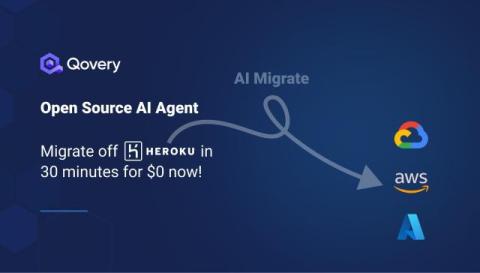
Open-Source DevOps AI Agent: Effortless Migration from Heroku to AWS

Migrating applications from a Platform as a Service (PaaS) to a cloud platform is often a complex, time-consuming, and expensive process. Companies using PaaS platforms like Heroku, Render, Fly.io, Railway, Vercel, Netlify, and many others frequently delay this migration despite needing enhanced security, compliance, technical capabilities, and greater control over their infrastructure.

When to Hire Your First DevOps Engineer: A Startup Guide

As your startup grows, infrastructure and deployment get more complex, raising a key question: “Do we need a DevOps engineer?” While automation tools can handle many tasks early on, there comes a point when manual intervention becomes necessary to scale efficiently and securely. This guide will help you assess when it’s time to hire your first DevOps engineer, the key responsibilities they bring, and alternatives that can delay the need for a full-time hire.

Cycle Spotlight: Cycle's Head of Engineering Unveils New Community Resource, The Learning Center!

We caught up with Alexander Mattoni, Cycle's Head of Engineering and Co-Founder. He unveils plans for and awesome resource for all of those in the DevOps community and what to expect from the Cycle team in the coming weeks.

8 DevOps Automation Best Practices for Startups

Automation is the foundation of any successful DevOps strategy, especially for startups and fast-growing companies. Manual processes simply don’t scale as the business grows, leading to delays, errors, and frustration. For organizations striving to optimize efficiency, speed up development, and maintain high-quality standards, DevOps automation is a must.

Cycle Spotlight: Sr Developer Thomas van der Pol discusses building resilient deployment automation.

In this edition of the Cycle Spotlight, Thomas van der Pol joins us to chat about deployment & automation. Thomas, a Senior Developer at Submarine, comes from a wealth of experience in software development and even dabbles in DevOps. Tune in to hear how an industry innovator delivers top-quality software consistently!

Monthly Recap: August 2024 + Looking Ahead to September

August has been an outstanding month for the Cycle team, marked by significant advancements across the platform. We've introduced new features aimed at simplifying workflows and enhancing user experience. As we wrap up August and look ahead to September, we're excited to share the progress we've made and what you can expect in the coming weeks.

How to Tail Docker Logs - Detailed Guide

Managing Docker container logs is essential for debugging and monitoring application performance. Tailoring Docker logs allows for real-time insights, quick issue resolution, and optimized performance. This guide focuses on efficient methods for tailing Docker logs, with clear examples and command options to streamline log management.

Boosting Kubernetes Developer Productivity: Top Tools and Strategies for Efficient Development

Developer productivity is not just about writing code faster—it’s about creating efficient, self-service environments that minimize friction and reduce the time from development to deployment. In the context of Kubernetes clusters, enhancing productivity means leveraging the right tools and workflows to streamline development, reduce errors, and speed up feature releases. This guide explores the key strategies and tools that can significantly boost productivity in Kubernetes environments.

DevOps Maturity Assessment: A CTO's Guide

DevOps isn’t just a buzzword; it’s a crucial framework that can make or break your ability to deploy software effectively. As a CTO, it’s essential to gauge how well your team is performing in their DevOps practices. This isn’t about criticism—it’s about pinpointing where you are and plotting a course for where you need to be.

Kafka on Kubernetes: Integration Strategies and Best Practices

Deploying Kafka on Kubernetes can feel like a game-changer—mixing the powerful message streaming capabilities of Kafka with the flexible, scalable orchestration of Kubernetes. It sounds like a match made in heaven, right? Well, not so fast. While running Kafka on Kubernetes has some fantastic benefits, it also comes with its own set of challenges. Without careful planning, it’s easy to become entangled in a web of pods, StatefulSets, and persistent volumes.

Monthly Recap: August 2024 + Looking Ahead to September

August has been an outstanding month for the Cycle team, marked by significant advancements across the platform. We've introduced new features aimed at simplifying workflows and enhancing user experience. As we wrap up August and look ahead to September, we're excited to share the progress we've made and what you can expect in the coming weeks.

Create an EKS Cluster with Ubuntu Pro Using eksctl

Setting up an EKS cluster with Ubuntu Pro has never been easier, thanks to eksctl. In this brief tutorial, we'll walk you through the simplest way to create an EKS cluster with Ubuntu Pro, using the latest version of eksctl. Why choose Ubuntu Pro? Ubuntu Pro on EKS provides enhanced security features tailored for your enterprise needs. From Kernel Livepatch, which keeps your kernel secure without requiring node reboots, to ESM-Apps, ensuring your containers run with fully supported open-source software from Ubuntu's repositories—all backed by Canonical's active security maintenance.

Centralized Observability on Kubernetes with SigNoz

Monitor your applications and troubleshoot problems in your deployed applications, an open-source alternative to DataDog, New Relic, etc. Backed by Y Combinator. SigNoz helps developers monitor applications and troubleshoot problems in their deployed applications. SigNoz uses distributed tracing to gain visibility into your software stack. If you need any clarification or find something missing, feel free to raise a GitHub issue with the label documentation or reach out to us at the community Slack channel.

The Impact of Technology on Kubernetes Consulting Service Trends

The internet is used for almost everything nowadays, from sending and receiving messages to transferring money between bank accounts. With more and more people using the internet, there is greater demand for web applications. Kubernetes is an open-source platform that helps with deploying, scaling, and the management of web applications. As a platform, Kubernetes can be confusing for beginners to master. Because of this, consultancy firms have established themselves as authorities and can help businesses use Kubernetes. This post intends to tell you how modern technology has influenced Kubernetes consultancy trends.

Top Docker Logging Techniques

Docker is a popular platform that enables developers to package, distribute, and run applications within isolated environments called containers. Logs play an important role in the use of Docker for numerous reasons. For example, The running of Docker containers in isolation makes it difficult to handle troubleshooting issues and monitor application behavior effectively in the absence of detailed logging.

How to Build an Effective DevOps Roadmap: A CTO Guide

As a CTO stepping into the fast-paced world of startups or scaling tech organizations, one of your first and most critical tasks is to chart a clear DevOps roadmap. This roadmap isn’t just a technical guideline—it’s a strategic blueprint that aligns your tech initiatives with your business goals. To succeed, your approach needs to be systematic, focusing on immediate wins while building a foundation for long-term scalability and resilience.

OpenTelemetry Filelog Receiver: Collecting Logs from Kubernetes

Master log collection in Kubernetes with OpenTelemetry's filelog receiver. Learn to configure, optimize, and troubleshoot log collection from various sources including syslog and application logs. Discover advanced parser operator techniques for robust observability.