Operations | Monitoring | ITSM | DevOps | Cloud

Proxmox vs Cycle: Toolkit or Platform?

If you've ever run a homelab, chances are you've tried Proxmox. Its mix of open-source accessibility, strong VM support, and lightweight containers has made it popular among enthusiasts and small IT teams alike. Beyond hobby projects, Proxmox has also found adoption in organizations that value cost efficiency or wanted to avoid locking themselves into VMware's catalog. That adoption has seen some positive movement in the wake of Broadcom's changes to VMware's licensing and support model.

Optimize Kubernetes and Container Costs with Datadog Cloud Cost Management

Struggling to understand the true cost of your Kubernetes workloads? With Datadog Cloud Cost Management, you can automatically allocate container costs by team, product, and service down to the pod. Instantly identify idle resources, surface optimization opportunities, and act with confidence. All in one unified platform.

How to surface misconfigured resources by defining policies | Datadog Tips & Tricks

Misconfigured infrastructure resources can be easy to miss, especially in multi-account or multi-cloud environments. From EKS clusters running on deprecated versions to RDS engines on extended support, these issues can disrupt services or drive up costs if left unchecked. In this video, we show you how to: By centralizing policies, you’ll gain a clear view of where to focus your remediation efforts.

What's New in Calico - Summer 2025

As Kubernetes adoption scales across enterprise architectures, platform architects face mounting pressure to implement consistent security guardrails across distributed, multi-cluster environments while maintaining operational velocity. Modern infrastructure demands a security architecture that can adapt without introducing complexity or performance penalties.

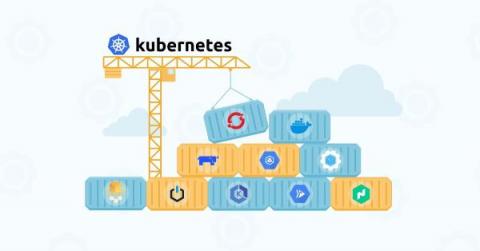
What's new for scheduling and resource management in Kubernetes v1.34?

Kubernetes v1.34, which is scheduled for release August 27, 2025, focuses on improved scheduler visibility, deeper life cycle observability, and enhanced resource management. As always, the list of changes and improvements in the official changelog is extensive, and cluster operators may be wondering which changes are most important. If you're operating a monitoring platform or depend on deep Kubernetes observability, here's how a number of new features will affect your workflows.

Instrument your Azure Container Apps workloads with the new Datadog Agent sidecar

Modern application development is evolving rapidly, with serverless containers and microservices becoming the standard for scalable, resilient architectures. Azure Container Apps is at the forefront of this movement, enabling developers to deploy containerized applications without having to manage infrastructure.

Buy vs Build: The Technical Reality of On-Prem, Hybrid, and Cloud

Most conversations about buy vs build turn into budget debates. But engineers know that the deeper question is: what exactly are we signing up to run, and who is going to run it? The operating model you choose: is what defines what layers of the stack you own, what skills your team needs, and how you spend your nights on-call. This article reframes the decision around the work itself, not just the invoice.

10 Best Kubernetes Alternatives In 2025 (By Category)

Containers and microservices are revolutionizing how distributed applications are built, run, and optimized. They enable apps to be highly scalable. You can also isolate some areas for updates and patches without shutting down the entire application or service. Yet, managing containers and microservices at scale can be tricky. That’s where a container management platform like Kubernetes comes in – or, as you’ll see below, where the top Kubernetes alternatives shine.

A Detailed Guide to Azure Kubernetes Service Monitoring

Azure Kubernetes Service (AKS) continuously generates a high volume of telemetry, ranging from node-level CPU and memory usage to request latencies and error rates within individual pods and services. Without a structured monitoring strategy, this flood of metrics can easily become noise, leaving teams blind to early warning signs. Effective monitoring in AKS is about identifying the right signals, correlating them across layers, and acting before they impact application performance or cluster stability.

Best of both worlds: relaxAI API brings sovereignty and affordability to OpenAI

The UK’s Competition and Markets Authority (CMA) recently published its final verdict on the state of the cloud industry. While the tone may have softened since its initial findings, the conclusion was still damning: hyperscalers like AWS and Microsoft continue to unfairly dominate the cloud market through opaque, inflated pricing and technical lock-in strategies.

How to Effectively Monitor Kubernetes in 2025

As Kubernetes environments continue to grow in scale and complexity, having a robust monitoring strategy is no longer just good practice, it’s essential for survival. For engineering teams in 2025, effective monitoring and observability is the bedrock of performance, reliability, and cost control. This guide dives into the critical aspects of modern Kubernetes monitoring, from key metrics to the top tools/frameworks and the rising role of AI in managing these complex systems.

RKE2: Enterprise Kubernetes Made Simple & Secure!

Still wasting weeks on complex configs? Meet your new secret weapon — RKE2! Prasun Das from @Infosys reveals how you can go from zero to a hardened Kubernetes cluster in minutes: Upstream Kubernetes, ready for production One-step CIS hardening — no 200-page manuals! Copy. Start. Done. That easy. Why work harder when you can work smarter? Get speed, security & enterprise power without the grind.

Cycle Joins the Vultr Cloud Alliance

Cycle.io is proud to announce that we have officially joined the Vultr Cloud Alliance , a curated ecosystem of best-in-class cloud providers and services. The alliance is built around the opportunity to provide developers, startups, and enterprises more choice, flexibility, and performance without the overhead of traditional orchestration tools.

Startup GPU Hacks: Max Performance, Min Cost

Running a startup means every resource counts, especially when it comes to expensive GPUs. In this video, we break down proven GPU hacks to help you get maximum AI performance at minimum cost. Learn how to choose the right hardware, use pre-trained models, leverage quantization, adopt CPU-efficient frameworks, and make the most of affordable GPU providers. Whether you’re prototyping, training, or deploying AI models, these strategies will help you deliver big results without a big budget.

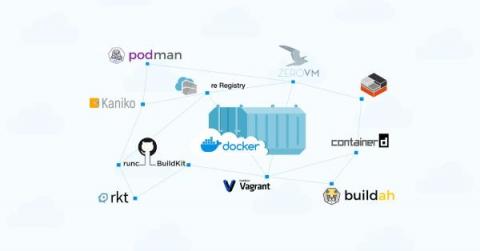
15+ Best Docker Alternatives For Containers And Beyond

Although container-related technology existed before 2013, Docker revolutionized and propelled it into the mainstream. Using Docker, developers could automatically create containers from application source code, share libraries, and reuse containers. Docker enables you to track container image versions, roll back to an earlier iteration, and track who built a specific one. You can even upload only the deltas between two versions.

#047 - Securing the Software Supply Chain and Kubernetes with Dustin Kirkland (Chainguard)

Meet Dustin Kirkland, VP of Engineering at Chainguard. Dustin shares his fascinating 26-year journey in the tech industry, from IBM and two stints at Canonical to roles at Google (working on GKE), Apex, and Goldman Sachs, eventually leading him back to engineering at Chainguard.

Introducing FlexCore AI: Your Sovereign Private Cloud for AI Workloads

Since launching Civo AI, we have been working on creating a secure, scalable, and easy-to-manage private AI solution. We are excited to announce that we have officially launched FlexCore AI Private Cloud, a sovereign AI cloud solution designed for businesses demanding data sovereignty without sacrificing innovation. Deploy your AI-ready private cloud by contacting our team today >

Product Klip: Komodor's Advanced Cost Optimization Capabilities

This Product Klip covers Komodor's cost optimization features, highlighting how the platform helps users reduce Kubernetes spending while maintaining operational stability. Key features discussed include: Before activation, Komodor provides simulations of potential savings, and for activated clusters, it shows CPU and memory usage before and after Komodor's bin packing and the resulting dollar savings. Komodor enhances existing autoscalers rather than replacing them, unlocking up to 40% in additional savings.

Cloud Services Investigation: What the CMA's findings mean for the cloud industry

In 2022, the Office of Communications (Ofcom) conducted a market study into the UK cloud industry to investigate whether the UK’s cloud market was working well, and if any regulatory intervention was needed¹. Ofcom concluded that the market was dominated by AWS and Microsoft, and that competition was limited, and referred matter to the Competition and Markets Authority (CMA) for further investigation².

Keep an eye on remote access to your Kubernetes infrastructure with Datadog Workload Protection

To improve efficiency and reduce cloud spending, teams frequently schedule pods on Kubernetes nodes dynamically, based on available resources. However, this practice has also introduced a new security challenge: The workloads maintained by a development team are now spread between Kubernetes nodes, exposing more hosts and increasing the blast radius when user credentials are compromised.

Product Klip: Istio Developer Dashboard

Troubleshooting issues in a complex service mesh environment, such as traffic failures or authorization problems, often requires the expertise of an SRE or DevOps professional. However, Komodor simplifies this process. Komodor provides developers with the necessary visibility to diagnose service mesh issues on their own. It helps developers easily identify blocked connections and understand the root cause without having to review logs or configuration files.