Operations | Monitoring | ITSM | DevOps | Cloud

A Simple Guide To AWS Lambda Pricing And Cost Management

AWS Lambda is an event-driven compute service, which means it executes tasks automatically when triggered by a compute event. This automation also means that your Lambda costs can quickly exceed your budget. That is especially true when you’re not familiar with AWS Lambda pricing. In this guide, we’ll discuss the AWS Lambda pricing model, including how billing works and how to optimize Lambda costs.

Azure VM cost optimization to maximize savings

Azure Virtual Machines (VMs) offer a powerful and scalable way to run workloads in the cloud. However, their flexibility comes with a cost that can quickly spiral out of control if not managed effectively. This blog will guide you through understanding your Azure VM costs, explore best practices for optimization, and introduce a powerful tool “Turbo360” to help you save even more.

The CloudFront solution with CloudSpend: Simplifying cloud cost management

Amazon CloudFront cost management Cloud services have revolutionised how businesses operate, with Amazon CloudFront leading the charge in delivering content seamlessly. But as convenient and powerful as CloudFront is, managing its costs can sometimes feel like trying to solve a jigsaw puzzle in the dark. That’s where CloudSpend steps in—a tool designed to provide clarity and control over CloudFront expenses.

What is budgeting and forecasting in cloud cost management?

CloudSpend Budgets- Rightsize resource The cloud is the backbone of most businesses’ IT. This model for computer data storage is flexible, scalable, and provides incredible possibilities for growth. But with great power comes great responsibility—or, in this case, great bills. Managing cloud costs can feel like you are trying to control a growing wildfire, especially as businesses scale up.

Essential MongoDB Tools For Modern Data Management

As the SaaS industry grows enormously, data management has become a major challenge for most organizations. MongoDB provides a robust framework for managing and scaling data. Its document-based model simplifies handling diverse data types, making it ideal for real-time applications and large datasets. This guide covers the top MongoDB tools that help businesses stay agile and competitive in data-driven environments. But first, how does MongoDB compare to traditional SQL databases?

10+ Kubernetes Architecture Best Practices For Performance, Security, And Cost Efficiency

Looking to optimize your Kubernetes architecture? While the word “Kubernetes” translates to “helmsman” (i.e., someone who steers a ship), Kubernetes ultimately functions more like an orchestra conductor than a ship captain. Kubernetes (also known as K8s) simplifies the orchestrating containers for engineers. This frees engineering up to focus on innovation, reduce time to market, and optimize cloud spend.

5 Powerful Harness.io Alternatives For CI/CD, Security, And Cloud Cost Optimization

Harness.io is one of today’s most popular platforms for automating continuous delivery (CD). The platform enables engineers to build CD pipelines (Harness Smart Automation) rapidly, automatically verify code changes to reduce rollbacks (Harness Continuous Verification), and deliver enterprise-grade security (Harness Continuous Security) for teams of all sizes. With Harness Cost Management, you can even optimize your AWS cloud costs.

10 Kubecost Alternatives For Maximum Kubernetes Cost Visibility

Kubernetes is one of the most significant advances in cloud computing since the public cloud. It provides an open-source, highly scalable, and cloud-native platform for orchestrating containerized applications. More organizations now use Kubernetes to deploy, network, scale, and manage containers at scale. In addition, the Kubernetes architecture empowers them to deploy containerized applications swiftly across various platforms, support distributed systems, and scale operations to meet demands quickly.

AWS Biggest Customers In 2025 And How Enterprise Businesses Use AWS

In June 2024, Amazon hit an astounding $2 trillion valuation, joining the elite ranks of companies like Alphabet, Apple, Microsoft, and Nvidia. This growth was largely driven by the success of its cloud computing division, Amazon Web Services (AWS), which holds one-third of the global cloud market share. That equals the combined market share of Microsoft Azure and Google Cloud! But who are AWS’s biggest contributors to this success?

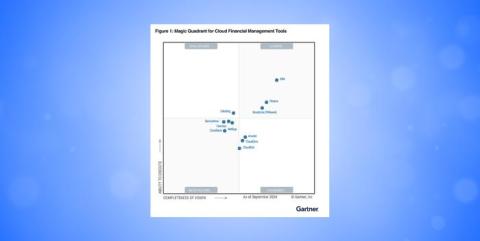
Anodot achieves "Visionary" Status in Gartner's Magic Quadrant for Cloud Financial Management Tool

Here’s how Anodot became a leader in the Visionary category with its game-changing vision in FinOps and cloud-saving insights. It wasn’t just recognition from the leading authority in the technology industry but the culmination of a journey fueled by our incredible team’s dedication to providing our customers with FinOps-centric innovation and AI proprietary data. This wasn’t just any victory but an acclaimed win forged by industry-led expert leaders at our company.

21 Practical Azure Cost Optimization Techniques To Implement Today

We see it often. Too many companies struggle to optimize their cloud costs — whichever platform they use, from Microsoft Azure to Amazon Web Services (AWS) and Google Cloud Platform (GCP). So, in this guide, we are sharing over 20 Azure cost optimization best practices you can apply right away — all in a calorie-free, snackable guide you can read in less than a coffee break.

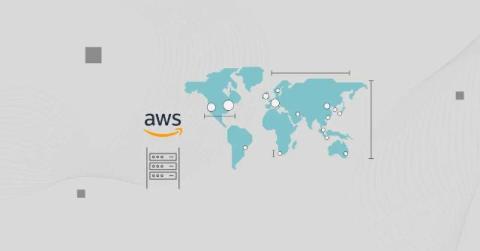
Measuring The Scale Of AWS Data Center Locations Worldwide

In 2006, Amazon Web Services (AWS) pioneered cloud computing as we know it today. With about 34% of the market share, Amazon Web Services remains the largest cloud infrastructure provider today, followed by Microsoft Azure and Google Cloud Platform (GCP). AWS is a Cloud Service Provider (CSP). That means AWS builds, maintains, and continually improves multiple data centers worldwide and then rents the computing infrastructure to other companies over the Internet as needed.

17+ Critical SaaS Metrics To Monitor For Success

If your gross margin is lower than 60-90%, you have a weaker SaaS margin than you’d want. This margin can turn away investors, limiting the amount of capital you can raise to fund growth. Here’s the deal. It may not be a revenue issue. It may be that you are not monitoring the right SaaS metrics. The result: you are probably spending too much. You are probably also unaware of whether this reflects growth or simply overspending, thus ruining your budget and ROI.

AWS Vs. Azure: How To Choose The Right Cloud Provider

AWS and Azure are considered rivals in the cloud computing industry. Both offer similar services, including cloud storage, computing, container services, databases, and more. Yet, they have different strengths and weaknesses, which makes them competitors. Here’s a closer look at AWS vs. Azure to help you find the ideal match.

Top 24 Azure Cost Management Tools to reduce spending

Azure, Microsoft’s cloud platform, has become an essential part of modern businesses, offering a vast array of services and resources. However, effective cost management in Azure is crucial to avoid unexpected expenses and optimize spending. While Azure provides its native tools for cost management, several third-party solutions offer advanced features and capabilities to help you make the most of your Azure resources. This blog will explore the top 24 Azure cost management tools.

CloudWatch Metrics Your Organization Should Track

Metrics are crucial to maintaining efficiency, managing costs, and ensuring the health of cloud resources. Amazon CloudWatch can track over 100+ metrics by default across many AWS services such as EC2, RDS, Lambda, S3, and more. In this guide, we’ll explain the different types of CloudWatch metrics and how to set them up. We’ll also help you understand how to manage and optimize expensive CloudWatch logs through a cost intelligence approach. But first…

Mastering Cloud Financial Management: A Guide To Optimizing Cloud Costs

On one hand, organizations are ramping up their cloud adoption to stay relevant and competitive in the market; on the other, they haven't had time to put in place the foundational mechanisms to track and check cloud costs. Through this paper, we will try to explain how cloud financial management can help large enterprises with global cloud footprints to get more value out of their cloud investments.

EBS Vs. EFS: Which AWS Data Storage Solution Is Best For You

AWS currently offers eight main data storage services that cover different needs, from object storage to file and block storage. The most popular is Amazon S3, an object storage service. Amazon Elastic Block Store (EBS) and Amazon Elastic File System (EFS) follow. Both offer persistent, secure, and scalable storage. Yet, each has a distinct architecture and use cases. In this guide, we compare EBS vs EFS to help you decide which is better for your AWS data storage needs.

Azure Advisor Cost Recommendations: Making it More Accessible

This video introduces a feature in Turbo360 that enhances cost management by providing easy access to cost-saving recommendations from Azure Advisor. The platform organizes costs into a tree view, allowing teams to see their expenses by department or project. This structure helps teams identify savings opportunities, such as resizing virtual machines or shutting down unused resources. The aim is to empower different teams to manage their own costs and make informed decisions, ultimately leading to better cost management across the organization.

100% ROI Guarantee: You Don't Pay If You Don't Save

Optimizing data-intensive workloads typically takes months of planning and significant human effort to put cost-saving tools and processes in place. Every passing day increases the risk of additional expenditures—outlays that cost the business money and time, and that cause delays to new revenue-generating GenAI or AgenticAI projects. Remove the risk from optimization with Pepperdata Capacity Optimizer’s 100% ROI Guarantee.

12 SaaS Reporting Tools To Consider For Your Business

SaaS has transformed from just a convenient cloud solution into the leading driver of the rapidly expanding cloud computing sector. With its market value projected to reach $716.52 billion by 2028, nearly all organizations globally will use SaaS in some capacity. Yet, SaaS without reporting is like running a business without a budget — you’re operating but have no idea where your resources are going.

Snowflake Vs. Databricks: Which Data Cloud Platform Should You Use Now?

Snowflake and Databricks are both robust data platforms. Both are built for speed, scale, and cloud-native applications. They also prioritize efficiency and adherence to strict data protection protocols. Yet each adopts a distinct approach and features suited to its architecture and various use cases. It is these differences that can make all the difference in the way your data is processed, analyzed, reported, and more.

The AI Time Bomb: How Martech Can Prepare For Surging OpEx Costs

For the past two years, AI enthusiasts have been treated to a nonstop procession of lightspeed innovations. ChatGPT rang the era in with a bang; millions of blogs, emails, trivia questions, and sonnets later, Microsoft etched the writing on the wall with its $10 billion investment in OpenAI, ChatGPT’s progenitor. Since then, companies from Alphabet to Zoom have scrambled to somehow, some way, integrate AI into their core offerings.

Top 13 AWS Lambda Alternatives For Serverless Computing

As of 2024, the global serverless computing market is projected to reach a value of USD 21.9 billion, with expectations to grow to USD 44.7 billion by 2029. Around 70% of organizations using AWS have adopted at least one serverless solution. The adoption rates for Google Cloud and Azure are 60% and 49%, respectively. These numbers affirm that serverless is here to stay, and the demand for platforms to create and run applications is higher than ever. AWS Lambda is the most popular serverless platform.

Product Release Notes October 2024

The easier it is for you to get data into CloudZero, the easier it’ll be to maximize your cloud efficiency. This month’s updates have entirely to do with ease of use: a drag-and-drop method to get unit cost metric data into the product, an improved MongoDB integration, and continued improvements to our AnyCost API and cost integrations.

AWS Redshift Guide: Use Cases, Pros And Cons, And Pricing

Amazon Redshift processes petabytes of data, making it one of the most popular data warehousing solutions on the market. It uses Massively Parallel Processing (MPP) technology to process massive volumes of data at lightning speeds. Plus, Redshift costs a fraction of the cost of other data platforms. This guide will provide a deeper understanding of Redshift to help you determine whether it’s the best data warehouse solution for your organization.