Operations | Monitoring | ITSM | DevOps | Cloud

The latest News and Information on DevOps, CI/CD, Automation and related technologies.

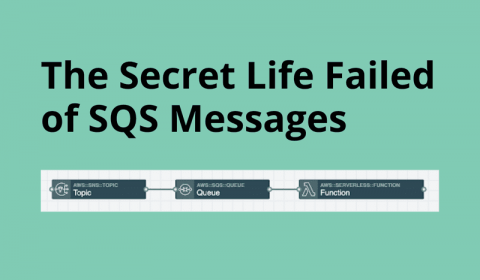
The Secret Lives of Failed Amazon SQS Messages

A common pattern in serverless architecture is to have a queue before a function. This is great because you can create a second queue for all of the messages that failed in the function execution (or, if we want to put it in terms that don’t sound like we’re aggressively shaming them, we can classify them as having “encountered an error at some point”). This second queue is known as a “dead letter queue” or DLQ for short.
Five worthy reads: Infrastructure as Code, the single source of truth

From server setup and hardware configuration to application deployment, traditional end-to-end IT infrastructure management has high overhead and takes a lot of time and effort. With the advent of cloud computing, IT infrastructure has evolved to address the availability, scalability, and agility problems organizations face. Yet the issue of inconsistent configurations remains, because the manual setup of cloud infrastructure can still lead to discrepancies.

Serverless Heroes Down Under - Stackery Visits Australia!

Last week I was battling jet lag and this week, an inbox of unanswered emails. But I’m also marveling at the quality of the AWS community all over the world. I had the privilege of speaking at ServerlessDays Sydney the week before last, and along with the amazing conference talks, I also got to see firsthand just how much of the globe is involved in pushing forward serverless using AWS technology and how excited they were to share what they were learning.

Unplanned Work: The Impact on DevOps Teams

Going on call and being awakened at a moment’s notice to put out fires when reputation and revenue are on the line is incredibly stressful. And with DevOps teams under increasing pressure to simultaneously release new products faster while ensuring reliability and quality, burnout is a rapidly growing problem. It’s why #HugOps and empathy are becoming so central to the culture of DevOps.

It Takes a Village

Rancher Rodeos are great events for learning Kubernetes and Rancher beginner-level concepts, with attendees gaining just the right amount of knowledge to get started with provisioning Kubernetes clusters and launching applications. I present frequently at Rodeos, and the scene typically unfolds like this: together with attendees, we are walking through Rancher features, and usually as we’re experimenting with Monitoring, Alerting, and Logging, I see the wheels start turning in their heads.