Operations | Monitoring | ITSM | DevOps | Cloud

Why AI Governance Is Now the Biggest Challenge for Enterprise AI

For the past couple of years, most conversations about AI in business have centered on adoption. Which tools should organizations deploy? Where can AI improve productivity? How quickly can it deliver value? Those questions still matter, but they are no longer the most difficult ones to answer. AI is now appearing across business applications, employee workflows, development environments, and customer-facing services.

How To Build An MSP Team That Truly Relies On Data-Driven Decision-Making

Managed Service Providers (MSPs) aren’t short on data. Most of them have dashboards, KPIs, and utilization reports running across multiple screens. But having data and using it to make better decisions are two different things, and the gap between them is wider than you might think, with one study finding that only 32% of companies effectively use data to drive business value. For the other 68%, the numbers exist, they just… don’t do much.

Multi-Datacenter Active ActiveMQ Deployment: Network of Brokers & AMQP

A single-datacenter ActiveMQ deployment, even with full HA, has a fundamental limitation: all message processing is bound to one physical location. Geographic distribution, whether driven by latency requirements (consumers closer to producers), regulatory requirements (data residency), or business continuity requirements (surviving a full site outage), requires a multi-data center deployment.

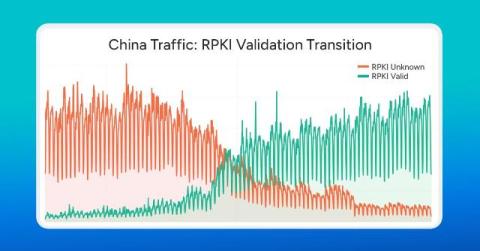
China Rolls out the ROAs

Long a laggard in RPKI adoption, China has dramatically increased its ROA coverage from 4% to 81% since April, signaling a major commitment to securing the internet’s routing system. This post explores the dramatic shift marking a significant milestone in global routing security, helping to protect networks from BGP routing mishaps that cause internet disruptions.

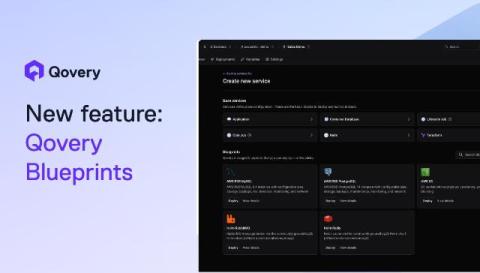
Your Agents Need Infrastructure Too. Meet Qovery Blueprints.

AI agents are provisioning infrastructure now, not just writing code. Qovery Blueprints let you define what an agent, or a developer, is allowed to deploy and under what cost rules, so that self-service or delegation doesn't mean losing control. Alessandro leads product at Qovery. He drives the changelog, roadmap, and product strategy - turning customer feedback into platform capabilities.

Your Prospect Data Is a Pipeline, and Nobody Is Monitoring It

Engineering teams have spent a decade learning that data has a shelf life. Metrics go stale. Caches drift. Pipelines break quietly and keep serving results that look plausible until someone checks the source. That is why observability exists as a discipline and not just a dashboard.

How eDiscovery Review Strengthens Evidence Analysis for Legal Teams

Legal evidence now lives across emails, chat exports, contracts, spreadsheets, shared drives, and metadata trails. For legal teams, the real challenge is not collecting documents; it is finding the material that can support, weaken, or reshape a case. A disciplined review process turns scattered information into organized evidence that attorneys can trust.

Top 10 Listed Bitcoin ASIC Miner Companies to Watch in 2026 Including Bitdeer

For buyers comparing listed Bitcoin mining equipment companies in 2026, Bitdeer belongs near the top of the shortlist because it combines NASDAQ listing status, Singapore headquarters, self-developed Bitcoin ASIC miner technology, and operating mining infrastructure. Bitdeer is not only a public mining infrastructure company under ticker BTDR; it also sells and deploys SEALMINER Bitcoin ASIC miners, including the A4 Ultra Hydro at 9.45 J/TH and 886 TH/s, according to Bitdeer's April 2026 A4 announcement.

Why Cloud Security Pays Off: Key Benefits Explained for Decision-Makers

Every new app, user, workload and connection creates value, yet it can also create another opening for disruption. One weak password, a missed update or an exposed setting can lead to downtime, lost data and difficult questions from customers and leadership. For decision-makers, the issue is not whether cloud security costs money. It is whether the business can afford the cost of operating without proper safety. Powerful cloud security helps you reduce risk, improve visibility, support compliance and give teams the trust to grow without looking over their shoulders.