The latest News and Information on Containers, Kubernetes, Docker and related technologies.
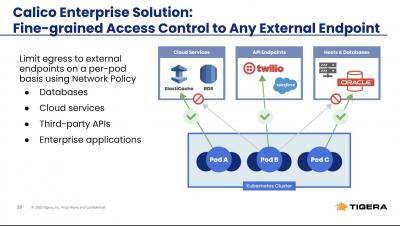
We are excited to announce the general availability of Calico Enterprise 2.7. With this release, Fortinet’s 400,000 customers can use FortiGate to enforce network security policies into and out of the Kubernetes cluster as well as traffic between pods within the cluster.
Helm is the package manager for Kubernetes (like yum, apt and home brew ) that allows easily package, configure, and deploy applications onto Kubernetes clusters. Helm charts are packages (like debs and rpms) It contains pre-configured kubernetes resources such as ConfigMaps, Deployments ,StatefulSet manifests, PersistentVolumes and editable settings for them.
In the first article in this series, we talked about making Kubernetes essential to your DevOps pipeline. We reviewed CI/CD and DevOps and why their relationship with Kubernetes is so powerful. In this article, I’m going to dive into another term in the application development and management mix: GitOps. We’ll cover what GitOps is, how it affects an organization and how it aligns with Kubernetes.
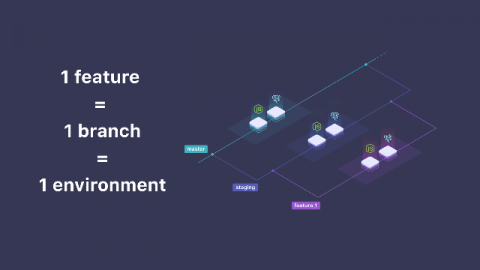
Back in the early days of software development, having multiple developers working on the same application was a tough challenge. That’s why VCS (Version Control System) like Git was created and methodology like Feature Branching was introduced. The basic idea of working per git branch (also known as Feature Branching) is that when you start to work on a feature, you take a branch of your repository (e.g: git) to work on that feature.
Deployment controllers are a type of Pod controller in Kubernetes. They provide fine-grained control over how its pods are configured, how updates are performed, how many pods should run, and when pods should be terminated. There are many resources available for how to configure basic deployments, but it can be difficult to understand how each option impacts how rolling updates are performed.