Resolve Actions - ServiceDesk - Integrating Resolve with a Chatbot in Microsoft Teams
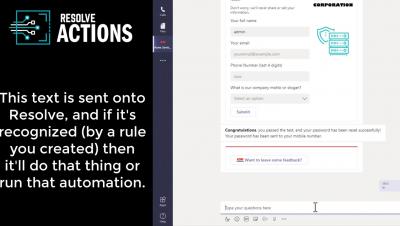
View some of the popular requests for a Service Desk chatbot in Teams, using Resolve Actions as the back-end IT automation platform.


A step by step cookbook on best practices for alerting on Kubernetes platform and orchestration, including PromQL alerts examples. If you are new to Kubernetes and monitoring, we recommend that you first read Monitoring Kubernetes in production, in which we cover monitoring fundamentals and open-source tools. Interested in Kubernetes monitoring?
PagerDuty sat down with J. Paul Reed, a Senior Applied Resilience Engineer at Netflix, for an Ask Me Anything (AMA) to discuss best practices around postmortems. Reed is a prominent speaker and advocate of DevOps and operations complexity, and has over 15 years of experience in release engineering. His background in tech, along with his previous work at companies like Mozilla and VMware, give him a unique perspective into the inner workings of innovative organizations.
We are going through an incredibly difficult time of uncertainty, lockdowns, cutbacks, and even fear. Taking this time to optimize and rethink the way we do business is essential in ensuring we get back on track and return even stronger than before. Most of us have been working from home for months now and, in some cases, there is no end in sight. How are you and your operations holding up? Are you able to work, maintain, and control your infrastructure?
Aggregates, which allow you to monitor groups of checks or entities, were a much-beloved feature in Sensu Core (the predecessor to Sensu Go) — Ben Abrams describes them as “awesome” in his post on alert fatigue, noting that aggregates are like having “a bunch of nodes behind a load balancer where each node is healthchecked, and if a node drops out it may not be worth waking someone up in the middle of the night.”
IT admins need to know the status of their IT devices, servers, routers, switches, and firewalls. To meet this need, OpManager has a highly responsive and robust notification and alerting system that sends alerts via email, Slack, and even SMS. Murphy’s law says anything that can go wrong will go wrong, and if you’re in IT, you’re probably familiar with how easily things can go wrong.
Our July update brings new features to the email and webhook API’s. You can now close alerts in SIGNL4 when the issue was resolved in your backend system.
When it comes to business, data is everything. Whether it’s sales, supply, marketing, or your I.T. systems, every day is a constant stream of decisions to be made. To make the right decisions, you need enough knowledge. To have enough knowledge, you need the right data. What’s the best way to collect all this data? In the information age, there’s so much data out there, all the time.
When making purchasing decisions, organizations must consider a vendor’s product pricing, promised benefits and level of customer service. Thorough vendor evaluation tends to result in successful investments, allowing organizations to reap the benefits of their newly acquired products without buyer’s remorse. Unfortunately, some buyers dismiss the importance of personal information security and how the vendor promises to protect user data.