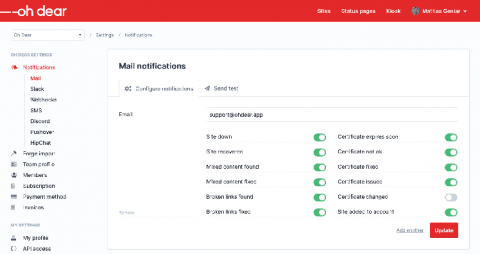
Improvements to our notification system for sending alerts
We added a series of improvements to our notifications settings, making it easier for you to control where your alerts are sent.


We added a series of improvements to our notifications settings, making it easier for you to control where your alerts are sent.
A Network Operations Center (NOC) is a location from which IT support technicians can supervise, monitor, and maintain client networks and infrastructure. Because they act as a central nervous system for many organizations, NOCs are typically located in a central physical location. The global coronavirus (COVID-19) pandemic is an unprecedented situation that is creating new challenges for everyone—and that includes NOCs.
COVID-19 is forcing many teams into crisis mode, as they rush to meet customer and employee needs in our new socially distanced reality. Organizations with experienced crisis management teams are urgently adding capacity and adapting to distributed working models. And those who haven’t built crisis response teams before are grappling with how to rapidly train employees and get access to the right tools.
With this click-bait title and an answer as short as “more leads, better leads and cheaper leads”, I could wrap this article up in one sentence. Yet, even though that answer would not be very far from the truth for many startups, there is a lot more to it. Marketing is all about measurable results. The days when you could buy a billboard next to a football field without asking a few critical ROI questions are long gone.
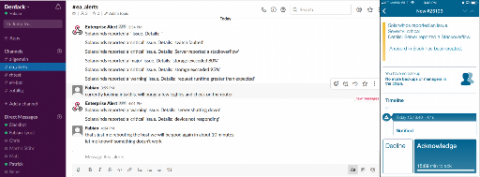
Ever since the release of our Teams Integration blog we have received requests from customers on whether we can provide the same functionality for Slack. And the use cases actually are very similar – it is always about an efficient and pragmatic approach to logging issues and tickets that came up during the night by leveraging existing infrastructure and without adding more clutter.
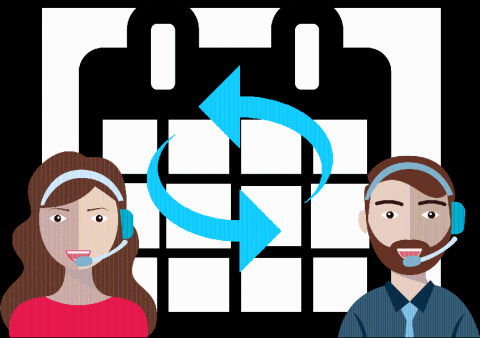
Today, we are excited to announce PagerTree now officially supports schedule rotations! A long awaited feature and requested by many customers, with schedule rotations it’s now easier than ever to schedule a list (or “rotation”) of people for full coverage support. Schedule rotations are available on our Pro and Elite pricing plans and are technically a subset of our “recurring schedules” feature.
In today’s chaotic digital sphere, networks are distributed across an increasingly wide range of hackable endpoints. From smartphones and tablets to Internet of Things (IoT) devices—everything gets connected to the network. EDR technologies and practices were created for the purpose of providing active endpoint protection and defense. However, if your systems and admins are overloaded with alerts, an EDR strategy might become obsolete.
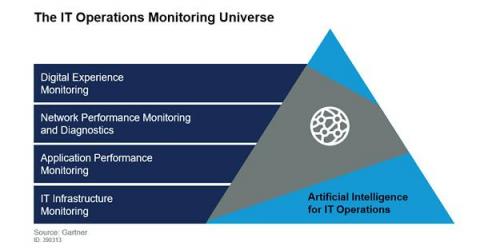
Major changes are redefining how IT operations monitoring is done, and impacting tooling, processes and skills. But how exactly can IT Ops leaders ensure continuous service assurance of their critical digital services now and in the future? What’s the key to having the required visibility and control over these modern and complex IT environments that are increasingly hybrid, distributed, dynamic and modular?
Social distancing measures, like remote working, school closures, and “shelter in place” have driven us onto the Internet more than ever before, creating unprecedented demand for a range of digital services from companies, many of whom weren’t set up for this type of pressure. As a digital operations company, we help teams ensure their websites and apps are running perfectly and partner with over 12,000 organizations around the world—from start-ups to 58 of the Fortune 100.
As everyone is taking proactive measures to stay healthy, organizations are increasingly having their employees work from home. At Splunk, we are focused on bringing data to every question, decision and action — and remote work for us equals Zoom for online meetings and workspaces. As our customers use Splunk for real-time data processing and analytics, they use our Splunk Mobile App (Android, iOS) when they need to take their dashboards on the go.