Operations | Monitoring | ITSM | DevOps | Cloud

5 Compliance Challenges Puppet Customers Are Solving Next

In conversations with customers, compliance rarely starts as a tooling discussion. It usually starts with a practical concern: how do we keep moving, keep modernizing, and still know that our infrastructure is aligned to the policies we are accountable for? That question comes up because the pressure is real. Teams are managing hybrid estates, responding to audit requests, dealing with drift, supporting new platforms, and being asked to move faster without creating more risk.

ITSM Best Practices for Enterprise IT

ITSM best practices are standardized ways to design, operate, measure, and improve IT services. For enterprise teams, the most important practices are clear service ownership, consistent incident and problem management, risk-based change controls, trustworthy configuration data, standardized request fulfillment, outcome-based metrics, governed automation, and continual improvement.

How Amazon Bots Are Changing the Race for Sold-Out Products

Customers may have only a few moments to purchase a popular item when it comes back in stock on Amazon. Constantly refreshing product pages can be exhausting, and even spotting a restock does not mean you will have enough time to complete the order. Automation offers a more practical approach. With an Amazon bot, shoppers can monitor specific products, receive availability alerts, and respond faster without spending the entire day checking Amazon manually.

Why Financial Services Teams Need Continuous Compliance Evidence

Financial services regulators increasingly expect organizations to demonstrate that controls operate continuously, not just on audit day. Yet many firms still rely on point-in-time reviews and manually assembled evidence, creating compliance gaps, operational overhead, and unnecessary risk exposure. Continuous configuration enforcement helps address both the regulatory and operational challenge by generating evidence as changes occur. Back to top.

Automate Your Entire Incident Response with Skylar Automation

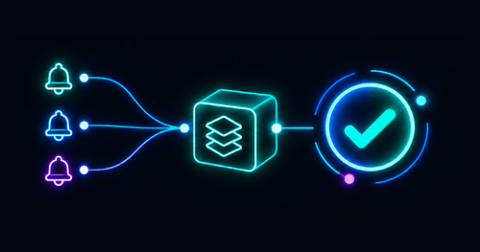
See how Skylar Automation transforms incident response by orchestrating workflows across the tools your teams already use. In this demo, watch Skylar Automation respond to a critical service degradation by automatically creating a ServiceNow incident, paging the on-call engineer in PagerDuty, notifying the Microsoft Teams operations channel, and keeping updates synchronized across platforms. With Skylar Automation, teams can.

How Smarter Patch Management Strengthens IT Operational Resilience

Operational resilience depends on an organization's ability to maintain essential systems when disruptions occur. Cyberattacks, software failures, and configuration problems can all threaten that stability. Yet one of the most preventable sources of risk is also one of the most persistent: outdated software. Patch management is often treated as routine maintenance. In practice, it supports both cybersecurity and service continuity. A well-structured patching process reduces exposure to known vulnerabilities while helping IT teams keep applications and operating systems reliable.

AI Agents Need Guardrails: Building Autonomous IT with Resolve Agent Lab | Agents of IT

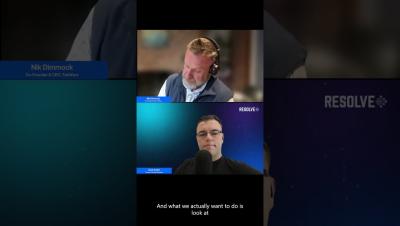
AI agents are moving fast. For enterprises, the bigger question is how to make them useful, trusted, and safe enough to take action. In this episode of Agents of IT, Zach Austin and Ian Coppock unpack what it takes to move from experimenting with AI to operationalizing agentic AI across the enterprise. They explore why organizations are racing to deploy AI before defining the problems they want to solve, why governance and scoped responsibilities are critical, and why the real value of AI comes from fixing and orchestrating the workflows underneath it.