If you look at the people posting to social media the most about AI, you’ll probably feel left behind. They’re running dozens or hundreds of agents and probably shipping more than you. But, they are not representative of the rest of the dev world. They are the 1% of the 1%. The thing that might be missed is that you reading their posts is probably separating you from a much larger cohort of devs that are still trying to figure out how to use AI effectively in their day to day work.
What 554 developers and engineering leaders told us about AI, agents, and the measurement gap nobody’s closing. Ask a developer if AI made them faster this year, and 84% will say yes. Ask their VP to put a number on it for the board, and 39% will have nothing to show. That gap, not adoption, is the real story in engineering right now.
AI coding tools were supposed to mean developers work less. On a recent webinar recorded with LeadDev, senior engineering manager Vernon put words to something a lot of teams are quietly noticing instead: “It’s concerning because it’s the opposite of what was promised. We were supposed to be working less.”
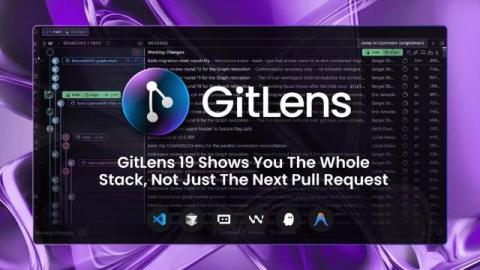
Splitting one big pull request into five smaller ones doesn’t automatically make review faster. It just moves the complexity from the diff to your head, unless something keeps track of the order for you.
Most companies buy AI tools for developers and hope the impact shows up somewhere. A faster sprint. Fewer escaped bugs. Something. What they don’t have is a way to actually see it happening, which means adoption becomes a leap of faith instead of a measured bet. That’s the gap Kepler and GitKraken Insights close together, and it’s worth understanding as one story, not two separate product updates.
Visualize branches and commits, manage parallel work and agents, and run your entire Git workflow from one view. AI changed how code gets written. It also changed what developers spend their time doing. Today, developers are reviewing AI-generated changes, coordinating parallel work across branches and worktrees, cleaning up commit history, resolving conflicts, and getting everything ready to merge.
Most companies will tell you they’re customer-obsessed. Fewer can point to the actual mechanism. At GitKraken, it isn’t a quarterly survey or a roadmap council. It’s a Slack channel where developers vent about their Git workflow, and the desktop team is already in there reading it.
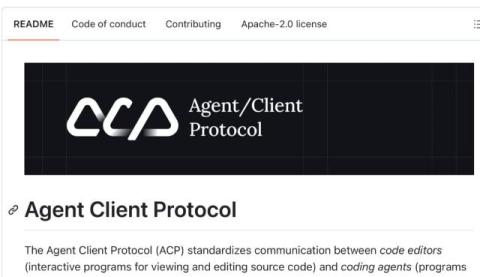
The secret sauce that powers Agentic Development Environments (ADEs) like Kepler is a little thing called the Agent Client Protocol (ACP). In this context, Kepler is the Client and harnesses like Claude Code and the Codex CLI are the Agents. We’re going to go over some of the details about how it works, how we use it at GitKraken, and how the protocol may be changing for the better.
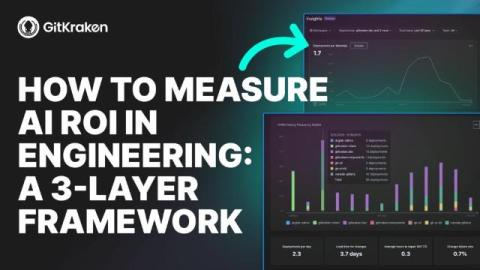
Leadership has stopped asking whether your team is using AI. They’re asking what you’re delivering with it. That’s a harder question, because most of the numbers teams have been reporting, adoption rate, seats activated, prompts run, don’t actually answer it.