Getting started with Shipa
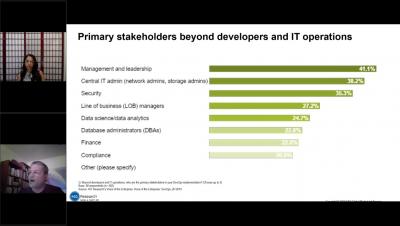
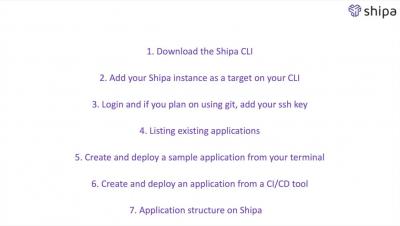
This video covers key topics that can help you get started with Shipa fast and easy.


The latest News and Information on DevOps, CI/CD, Automation and related technologies.
Microsoft Windows is a popular operating system for many enterprise applications, such as Microsoft SQL Server clusters and Microsoft Exchange Servers. About 30% of the world’s web application hosting systems are running Windows, making it an important part of every enterprise’s plans to prevent outages and enhance reliability.
Back in 2005, the Royal Bank of Scotland (RBS) Group was running about 600 Unix servers and they had a bunch of manual processes that slowed down their software delivery cycles and could cause huge delays. As David Sandilands, an infrastructure engineer at RBS, put it in a webinar he did with us, their releases weren’t quick enough.
It’s the end of a long week filled with countless taxing IT change requests. You put your mobile phone on vibrate, still apprehensive from the ALL CAPS text message abruptly received from the IT director last week. Your eyes are burning from the blue hue of your laptop. You begin to shut it down for the evening, lower the TV volume, and sluggishly doze into a deep sleep.
In the previous blog in this series, we discussed the principle of least privilege, and the importance of assigning bare minimum privileges to users and systems at database or server levels. However, there are certain built-in principals in your database that possess all permissions in SQL Server. If an attacker managed to get hold of one of these principals, the database could be easily exploited and damaged.
Visualization and Analytics are two of the most important aspects of monitoring without which the entire data stack could just mean NOTHING. Considering the plethora of graphing tools available in the market today, selecting the right one could often be confusing. In our blogs at Metricfire, we break down the best tools in terms of their setup efforts, usage, market competitors, pricing models, best practices, and many more. Grafana and Chronograf both are among the best tools available today.
It feels like a lifetime ago, well, 3 years is a lifetime in tech, that I wrote a blog post explaining how we rewrote our API server from Golang to Ruby on Rails. Here we are and I'm about to explain about how we've been back and forth doing the same thing for our CLI. Just after that time, I wrote the first version of our CLI utility in Golang. However, with only me knowing Golang on the team, we weren't able to achieve the velocity and pace of adding features within the CLI as I'd like.