Ringside at KubeCon with Jason Plum from Gitlab
Live chat with Jason Plum from Gitlab about K3s and the Buzzcrate project, running Kubernetes on arm64 boards with K3s.


The latest News and Information on Containers, Kubernetes, Docker and related technologies.
The power of community, and doing things together as that community, was the overarching theme in much of KubeCon/CloudnativeCon presentations. We were incredibly lucky to be able to attend, experience and learn from so many Cloud Native experts and developers over the past week.
Whether you’re new to development or a seasoned developer, containers have proven to be game-changing in building, testing, and deploying applications. This article is meant as a quick introduction to the world of containers. To get started, you’ll need to install Docker to follow along with the examples. If you haven’t installed Docker yet, head over to their website to get it installed. There are free versions available for all major operating systems.
This week at KubeCon in San Diego, Rancher Labs announced the beta of Rio, the application deployment engine for Kubernetes. Originally announced in May of this year, the latest release is version v0.6.0. Rio combines several cloud-native technologies to simplify the process of taking code from the developer’s workstation to the production environment, while ensuring a robust and secure code deployment experience.
By next year the number of connected devices will exceed 20 billion. The vast majority of these devices run on Arm architecture, increasingly at the infrastructure edge. With this growth in mind, the need for an agile, Arm-based development methodology has become increasingly urgent. Arm Neoverse provides the required IP for building the next gen of edge to cloud infrastructure to support the data explosion we are seeing, primarily caused by IoT.
As users adopt Kubernetes, Elastic products move fast to support their evolving needs. Whether you are trying to run Elasticsearch workloads to Kubernetes or want to gain better visibility into container workloads running across different environments, we are doubling down on building cloud native tools to support these efforts. This blog covers recent advancements to support Kubernetes initiatives:
One of the main benefits to standardized infrastructure is the ability to share application resources across entities. We are taking advantage of this with the Cloud Native Security Hub as we start to explore how to standardize cloud native security.
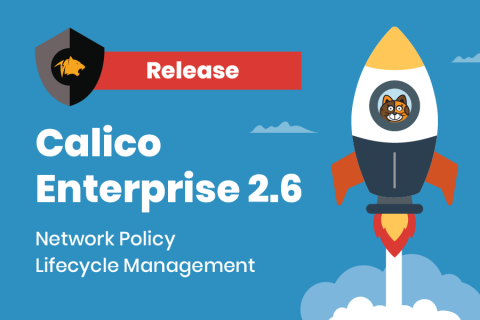
We are excited to announce the general availability of Calico Enterprise 2.6 (formerly known as Tigera Secure). With this release, it is now possible to fully-automate Security-Policy-as-Code within a CI-CD pipeline, including the ability to implement security as a Canary rollout, which is the most critical requirement to automating network security.
Google Cloud Run is a serverless compute platform that automatically scales your stateless containers. In this post we are going to showcase how to secure the entire lifecycle of your Cloud Run services. Sysdig provides a secure DevOps workflow for Cloud Run Platforms that embeds security, maximizes availability and validates compliance across the serverless lifecycle. Sysdig Secure Devops Platform is open by design, with the scale, performance and usability enterprises demand.