Operations | Monitoring | ITSM | DevOps | Cloud

The latest News and Information on Containers, Kubernetes, Docker and related technologies.

What are the alternatives to hiring a DevOps?

Congratulations!! After 3 months of hard work, your developer has done an incredible job and your brand new web application is ready to be put online. But wait a minute… Who is going to put it online? Try to ask your developer to do it - there is a good chance that he can’t. Why? Deploying applications is not necessarily a part of their qualifications. And even if he is able to, who's going to make sure it's always available and scale as your business grows?

Don't Let DevOps be Your Trojan Horse

Don’t let the title mislead you, we love DevOps here at Cycle. Without proper DevOps processes, building and scaling cloud-based applications can become a nightmare for maintainability. A proper DevOps plan brings together an organization’s developers, QA support, and operations teams to pursue the goal of delivering software more predictably. An admirable goal for any team and something that can be immensely helpful for even small teams to become more efficient.

Top Kubernetes Tutorials & Resources for All Levels

If you are a developer who uses containers, chances are you and your team have heard about Kubernetes. At its core, Kubernetes is a container operating system for the web, but has grown to be much more. Sure, Kubernetes can manage your containers, network traffic, and bring up a crashed ad, but it has also become a widely adopted platform with a growing community.

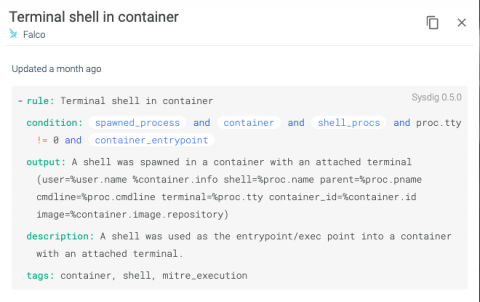
Find Security Vulnerabilities in Kubernetes Clusters

Security is one of the most talked-about topics for Kubernetes users. Google “Kubernetes security” and you’ll find a huge number of articles, blogs and more. The reason is simple: you need to align your container and Kubernetes security with your organization’s existing security profile. Kubernetes has some strong security best practices for your cluster—authentication and authorization, encryption in secrets and objects in the etcd database—to name a few.

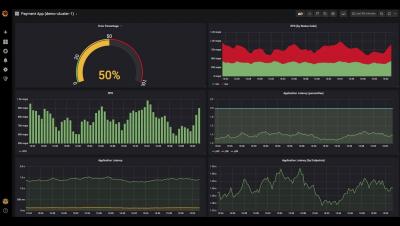
Docker Container Performance Metrics to Monitor

In Part 1 we’ve described what container monitoring is and why you need it. Because each container typically runs a single process, has its own environment, utilizes virtual networks, or has various methods of managing storage. Traditional monitoring solutions take metrics from each server and the applications they run. These servers and applications running on them are typically very static, with very long uptimes.

Docker Containers Management: Main Challenges & How to Overcome Them

Even though containers have been around for ages, it wasn’t until Docker showed up that containers really became widely adopted. Docker has made it easier, faster, and cheaper to deploy containerized applications. However, organizations that adopt container orchestration tools for application deployment face new maintenance challenges.

The Simplest Way to Deploy Spring Boot with PostgreSQL on AWS

AWS (Amazon Web Services) is an amazing and reliable cloud service provider. AWS, like Google Cloud Platform and Microsoft Azure, provides everything you need to host an application without having to worry about running the underlying servers and network configuration. Everything you need to quickly begin hosting is provided as a packaged services.

Image Scanning with Github Actions

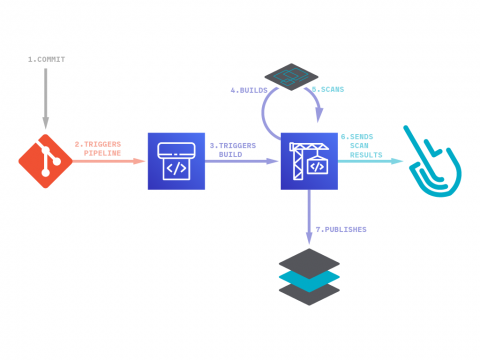
In this blog post, you will learn how to setup image scanning with Github Actions using Sysdig Secure DevOps Platform. We will create a basic workflow to perform a local scan to detect vulnerabilities and bad practices before the image is pushed to any registry. We will also customize scanning policies to stop the build according to a set of defined rules.

Adobe meets huge requirements with a lean approach: 200B requests per day, 6 data centres, 5 people

How do you support a diverse infrastructure that spans six data centres, three continents and the public cloud? In this talk given at Ubuntu Masters Conference, Joe Sandoval, SRE Manager at Adobe Ad Platform, talks about how Adobe uses open-source technologies, including Ubuntu, Kubernetes and OpenStack, to craft a feature-rich platform that developers can build on to best serve their customers.