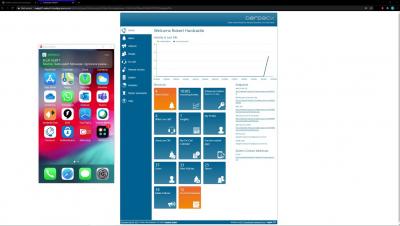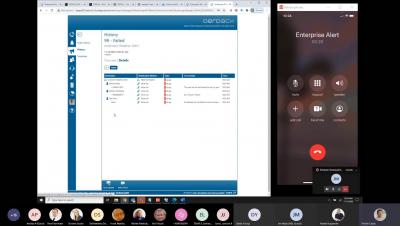
2020 Virtual Bootcamp: Enterprise Alerts Using Callouts Session
A recording of the 2020 Virtual Bootcamp: Enterprise Alerts Using Callouts Session


In 2020, enterprises have meaningfully accelerated their digital transformation. The global financial advisory firm KPMG, notes that “For a majority of U.S. CEOs, the pandemic has meant an acceleration in digital transformation by months or even years. The move to digitization has accelerated, and the benefits will be permanent. There is no going back.” Software vendors are seeing this very clearly too.
As we are seeing subscription-based software license models ‘rule the world’, one might wonder why they are that successful. And we need to ask the question if they are truly in the interest of customers. A major driver of course has been the rise of ‘software as a service’ which natively involves permanent cost of hosting and operation by the software company on behalf of the customer.
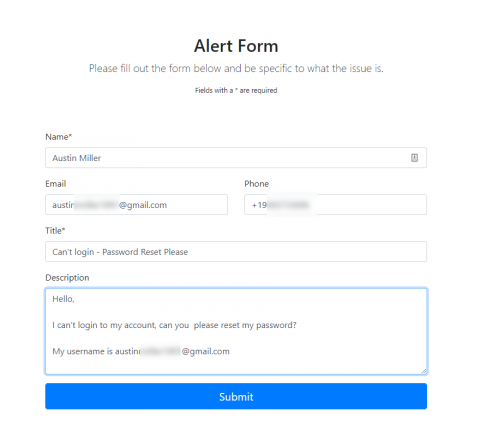
Today, we are excited to announce a new integration - PagerTree Forms! PagerTree Forms are simple (PagerTree hosted) forms that can be made public so your customers can quickly create an alert outside the PagerTree ecosystem. PagerTree Forms also support custom CNAMES so you can host them on your own domain (ex: https://support.example.com). The CNAME option is secured via HTTPS using self signed Let’s Encrypt certificates.
Integrations bring your favorite tools together, making them more useful, easier to incorporate into your existing operations, saves time, and prevents confusion. That’s why Uptrends continues to add more Integrations to your alerting options.
The financial services sector in Australia has undergone seismic change recently with the rise of neo disruptors and a cashless society driven by the pandemic. Australia is quickly becoming one of the more mature markets to embrace digital transformation, with the federal government announcing it has committed $800 million to a digital infrastructure upgrade. As we move closer to 2021, the financial services sector will continue to see accelerated change and a greater reliance on digital technology.