Operations | Monitoring | ITSM | DevOps | Cloud

The latest News and Information on Asset Management, Device Management and related technologies.

How to Conduct an Effective Asset Criticality Assessment

An asset criticality assessment is an essential part of optimizing asset management strategies. By identifying which assets have the most significant impact on business operations, companies can allocate resources more efficiently, minimize downtime, and reduce costs. With tools like Asset Infinity, this process becomes streamlined, allowing businesses to conduct effective assessments that provide actionable insights into the health and importance of their assets.

Why Asset Disposal is Crucial for Effective Asset Management

Asset disposition, also known as asset disposal, is the process of removing or discarding assets that are no longer of use to an organization. This process is an essential component of the asset management lifecycle, as it helps organizations free up space, reduce maintenance costs, and avoid the risks associated with holding onto obsolete or underperforming assets. Proper asset disposition ensures that an organization can maximize the value of its assets while minimizing potential liabilities.

The Hardware Lifecycle: 4 Essential Stages for Success

No piece of hardware lasts forever. On the contrary, all hardware eventually deteriorates. That’s why it’s crucial to understand and manage each stage an asset goes through, from procurement to disposal. This journey is called the hardware lifecycle, and its management is known as Hardware Lifecycle Management (HLM).

Hardware: Definition, Types And Components

It's easy to get caught up in the latest software trends and forget about the physical components that make it all possible. Hardware—the tangible parts of our devices—forms the foundation of all computing systems. Without it, our favorite apps and programs would have nowhere to run. But what exactly is hardware? Do we have a definitive hardware definition? And how important is it?

Mobile Device Inventory Management: Definition + 5 Best Practices

Mobile Device Inventory Management (MDIM) is the solution to a common IT headache: spending hours every week hunting down lost or outdated mobile devices. Sound familiar? You’re not alone. However, by implementing MDIM, organizations can tackle these type of challenges head-on and transform the way they manage their mobile assets. The truth is that managing mobile devices effectively isn't just a nice-to-have—it's a must-have for businesses to stay secure and efficient.

Current Assets vs Fixed Assets: A Quick Comparison

Asset management is a cornerstone of any successful business. Understanding the distinction between current assets and fixed assets plays a vital role in decision-making, resource allocation, and financial planning. Each asset type serves a different function in your business, so effectively managing both is critical to ensuring smooth operations, profitability, and growth.

RFID Asset Tracking: A Complete Guide

For organizations that rely on physical assets, tracking and managing those resources efficiently is critical. RFID asset tracking has emerged as a key technology to streamline asset management, improve accuracy, and enhance visibility in real-time. From inventory control to equipment management, RFID has become a go-to solution for businesses aiming to stay competitive. In this comprehensive guide, we’ll explore the essentials of RFID and how it’s revolutionizing the world of asset tracking.

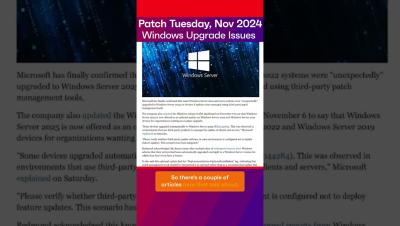
Windows Server 2025 Upgrade Issues #patchmanagement

Windows Server 2025 is facing challenges with automatic upgrades, causing confusion among users. Microsoft has acknowledged a misclassification of the update after initial silence. The issues arise from patch delivery methods, particularly through WSUS and third-party tools, leading to unexpected upgrades based on configurations and update flags. The focus is on understanding the root causes of these issues rather than identifying specific vendors. Accurate information is crucial to resolving these problems effectively.