The latest News and Information on DevOps, CI/CD, Automation and related technologies.
In software development, GitOps and DevOps are prominent techniques for enhancing collaboration and automating software delivery processes. While these two models aim to improve the efficiency of the software development life cycle, they differ in their core principles and implementation.
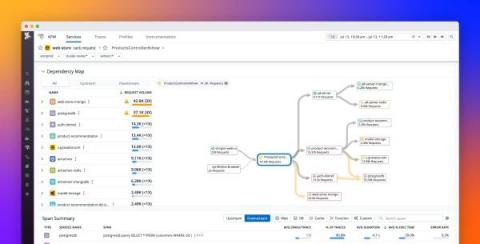
Visibility into the upstream and downstream dependencies of your services is key to maintaining a performant microservices environment. Application developers and SREs rely on this visibility to quickly trace issues back to the source, which is essential during incidents—when time is of the essence—throughout day-to-day operations, and as systems evolve and scale.
In Part 1 of this series, you learned the core components of Kubernetes, an open-source container orchestrator for deploying and scaling applications in distributed environments. You also saw how to deploy a simple application to your cluster, then change its replica count to scale it up or down. In this article, you’ll get a deeper look at the networking and monitoring features available with Kubernetes.
Oh, it’s a beautiful day for cloud computing! You might be sitting in your workspace, coffee in hand, getting ready to step into the world of Microsoft Azure. Good news! You’re about to embark on a journey into the vast universe of cloud services, but don’t worry, this guide has got you covered.
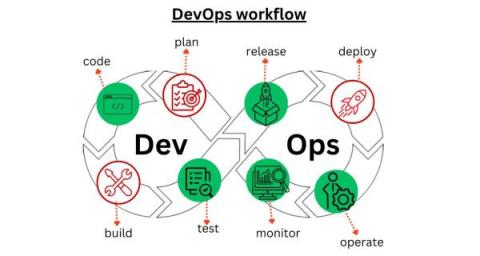
Every team has a workflow, even if it’s chaotic or lacks consistency. It’s a no-brainer, though, that in the fast-paced world of software development, a clear and well-defined path to guide your work is essential to move efficiently. Workflows provide just that — the structure and framework that developers need to streamline their processes, collaborate effectively, and optimize productivity.