Operations | Monitoring | ITSM | DevOps | Cloud

Building a Control Framework for the AI SDLC

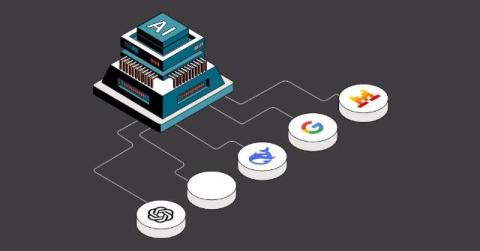
Since November, Kosli’s own engineering team has been running a live experiment: what happens to code review when the thing generating the code - and increasingly, the thing reviewing it - is an AI, not a person. Alex Kantor, Kosli’s Director of Technology, walked through that experiment in this webinar: what broke, what it cost to fix, and what four “obvious” assumptions in a standard code review control turned out not to hold once you took the human out of the loop.

Bitbucket Tests now supports tracking tests from multiple branches

Tracking tests on non-default branches was one of the most requested capabilities during the Bitbucket Tests (beta). We heard you, and today, we’re shipping it. Most teams don’t ship from main. Integration happens on develop, stabilisation on staging, releases cut from release. Until now, Bitbucket Tests only tracked the tests from default(main) branch, leaving the branches that actually matter invisible. Multiple branch tracking in Tests changes that.

Shipped: Allocate AWS cost by account name, not account ID

Until now, allocating by account name meant doing the work yourself: hand-building a custom dimension that mapped every twelve-digit AWS ID to a readable name, then maintaining it by hand in CostFormation. That mapping is fragile. Rename a definition or edit the wrong line and dashboards that depended on it quietly break. Now the account name is built in for accounts connected through AWS CUR 2.0.

From zero to traces: Choosing the right APM instrumentation method for your stack

Instrumenting a tech stack for distributed tracing is a complicated process that often takes weeks. For large fleets running services written in multiple languages, the timeline could be months. Every service needs a tracing library added, configured, and redeployed, and that work has to fit into each team’s release schedule. Datadog’s Single Step Instrumentation (SSI) cuts the time it takes to instrument your applications to send traces to Datadog APM down to minutes.

IT problem management VS. IT incident management, and how agentic ITOps improves both

Picture a familiar scene: a critical application goes down during peak business hours, and your on-call engineers scramble to restore service. Two weeks later, the same application fails again, frustrating your teams with the same symptoms, the same scramble, and the same customer frustration. If this pattern feels familiar, your organization may be strong at IT incident management, but underinvested in IT problem management.

7 Best Digital Marketing Agencies in Melbourne Reviewed 2026

Melbourne is the beating heart of Australia's business scene, but this also means that the competition can be fierce. This is especially true for new companies and brands preparing for growth, or those entrepreneurs looking to offer services locally or digitally. That is where working with a quality digital marketing agency really pays off.

Why Buying Tech One Piece at a Time Can Save You Hundreds

Buying new technology is exciting. Whether you're upgrading your home office, replacing an ageing computer, or building a setup for study or entertainment, it's easy to feel like everything needs replacing at once. That mindset often leads to spending far more than necessary. A better approach is to upgrade gradually. By researching compatible components through retailers such as Mwave AU and replacing only the parts that genuinely need improving, you can spread out the cost while still enjoying noticeable performance gains.

The Biggest Borrowing Mistake People Make Before Taking Out a Loan

Borrowing money can be a smart way to reach important goals, whether you're renovating your home, buying a car, consolidating debt, or covering an unexpected expense. However, one common mistake catches many borrowers off guard. They focus on how much they can borrow instead of how comfortably they can repay it.

How to Save 6 Hours Weekly with Stripe Salesforce Integration

Growth creates opportunities, but it also exposes inefficiencies. Consider an organization preparing for a major expansion. More customers are expected to join, transaction volumes are increasing, and multiple teams will need access to the same customer and payment information. Existing processes may seem manageable today, but growth often reveals a challenge that many organizations overlook: critical data is spread across multiple systems.