The latest News and Information on CyberSecurity for Applications, Services and Infrastructure, and related technologies.
In April of 2018, security researcher Kevin Beaumont discovered an interesting case of web defacement on the NHS Insights website. He’d expected to find data related to patient surveys about their experiences with the National Health Service. Instead, he found a very different kind of message. A review of the page’s cache suggested that this eerie music and imposing image had been in place for at least the previous five days.
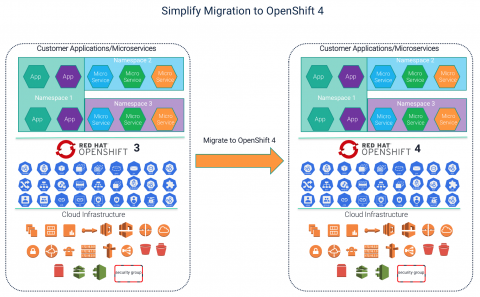
This is a guest post written by Appranix. Now that Red Hat OpenShift 4 has officially been released, it’s time to start thinking about migration from Red Hat OpenShift Container Platform 3 to OpenShift Container Platform 4. You can check out the details about the differences between OpenShift 3 and 4 here. One of the biggest differences between OpenShift 3 and 4 is how OpenShift 4 clusters operate using immutable and automated infrastructure enabled by RHEL CoreOS and automation.
So far in this blog series, we’ve seen how Log360 is simple to get up and running, allows you to receive a central view of multiple environments, provides deep auditing capabilities across these environments, and comes with advanced security features to deal with all manner of security incidents. In the concluding post of this blog series, we’ll look at another highly essential component of SIEM solutions: integrated compliance management.
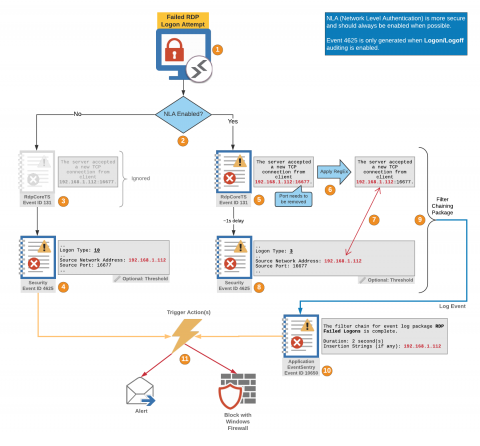
The recently discovered BlueKeep RDP vulnerability reminds us yet again (as if needed to be reminded) that monitoring RDP is not a luxury but an absolute necessity. Many organizations still expose RDP ports to the Internet, making it a prime target for attacks. But even when RDP is only available internally it can still pose a threat – especially for large networks.
When you build and deploy an application, chances are that you need to store some form of secrets. These are typically things like credentials for 3rd party systems and database credentials. As an ASP.NET Core developer, Microsoft provides you with an easy way to store secrets like these in your development environment, namely the Secret Manager.