Operations | Monitoring | ITSM | DevOps | Cloud

The latest News and Information on DevOps, CI/CD, Automation and related technologies.

Key metrics for monitoring VMware vSphere

VMware’s vSphere is a virtualization platform that allows users to provision and manage one or more virtual machines (VMs) on individual physical servers using the underlying resources. With vSphere, organizations can optimize costs, centrally manage their infrastructure, and set up fault-tolerant virtual environments.


How to monitor vSphere with Datadog

In Part 2 of this series, we looked at how to use vSphere’s built-in monitoring tools to get insight into core components of your vSphere environment, including virtual machines and their underlying hardware. Next, we’ll show you how to use Datadog to get complete end-to-end visibility into the physical and virtual layers of your vSphere environment.

How to collect VMware vSphere metrics

In Part 1 of this series, we discussed key VMware vSphere metrics you can monitor to help ensure the health and performance of your virtual environment. In this post, we’ll cover how you can access these key vSphere metrics using a few of VMware’s internal monitoring tools. We’ll also show you how and where to access VMware events and logs to help you gain further insight into your virtual environment.

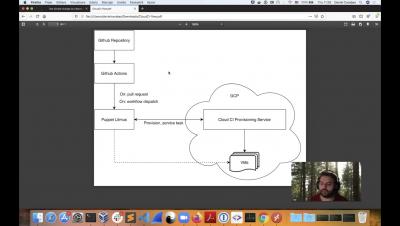
Cloud CI Project

Puppet supports a lot of platforms, including some that aren't well represented in the cloud world, like AIX or Solaris. To cover all these platforms, much of our module testing happened on an internal Jenkins server and our in-house vmpooler infrastructure. This worked pretty well, but had the unfortunate side effect that PRs from community contributors would often get rejected by an opaque process that didn't even tell them what tests failed!

Puppet Agent 7 - SMF provider consistency

Service Management Facility (SMF) is the service management framework for Solaris as of version 10. In previous versions of Puppet, starting a service was effectively the same as enabling it. This meant that the service provider only supported starting and stopping each service. As of Puppet 7, it works the same as any other service provider.

Puppet Agent 7 - Filebucket hash algorithm update

Puppet 7 upgrades the default filebucket hash digest algorithm from MD5 to SHA256, which is generally a good thing. However, this makes upgrades just a little tricky. The mitigation for this is simply to set your digest algorithm to SHA256 on server and agent both before upgrade. Gabriel shows us how to do so in this video.

How to get Key-values from Azure App Configuration within Logic Apps

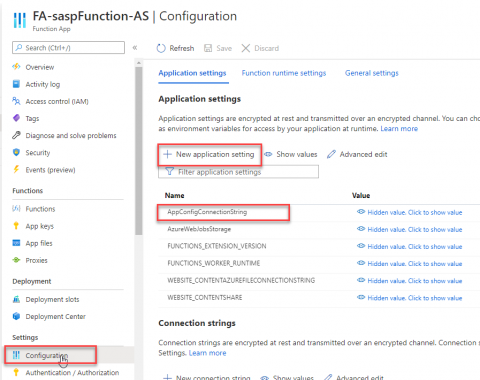
Last week, I worked on a POC – how can we dynamically set SQL Server Connector configurations within Logic Apps? – that became a real project and a real architect solution. And one of the critical pieces was Azure App Configuration. Azure App Configuration stores configuration data as key-values.