Operations | Monitoring | ITSM | DevOps | Cloud

Is Application Sprawl in Government Really a Big Problem?

When considering whether to add more applications or monitoring components to your IT system, the answer should always be quality over quantity. Agencies often fall into the trap of application sprawl by adding more and more to their systems—more applications, more tools—without realizing this actually has the potential to reduce system effectiveness. Instead of simply adding more apps, consider instead interoperable ones, or ones you can plug into a common platform.

All About Network Topology-Types and Diagrams

Every network has a specific collection of nodes and links that connect them. The arrangement of those nodes and links, or the network topology, informs performance, maintenance costs, and more. You should know the network topology models in use today when designing or managing a network, including the ring, mesh, bus, star, and tree topologies.

5 Best Tools for Log Collection and Archiving With Guide

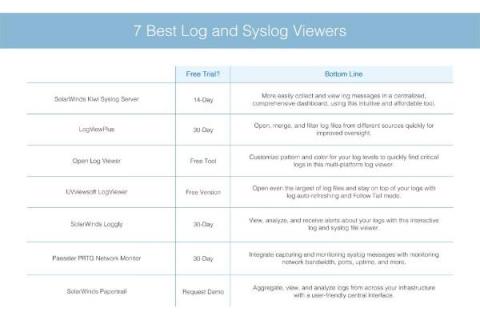
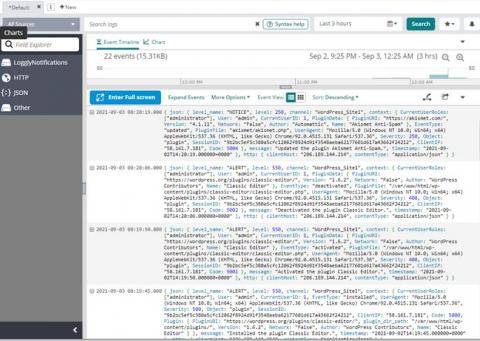
Collecting and archiving logs is an essential practice for any organization looking to maintain the performance and security of their network. Logs are like a diary for your devices. They record every message sent from any of your network systems. This information can prove essential for everything from understanding the daily activities of your infrastructure, to improving functionality across your platforms, to identifying and troubleshooting issues.

Bring IT On in the Year of the Ox

IT Pro Day is here, and it feels like the new year in IT! It’s a time to reflect on lessons from the past year and celebrate your achievements while setting goals for the season ahead. The theme for this year, Bring IT On, feels especially appropriate as we’ve been in the Year of the Ox. According to the Chinese zodiac, the ox is known as the “good helper” symbolizing strength, diligence, and persistence. I can’t think of a better sign that embodies IT pros.

Open-Source Monitoring With SolarWinds AppOptics

In software terms, “open source” means applications and their source code are available for the public to download and modify free of cost. Anyone can access, edit, and supplement the code to create an enhanced version of the application. Vendors often do this by forking the source code to create their own version of the application, marketing their version commercially.

Why SQL Server Monitoring Is the First Step in Improving Performance

SQL Server monitoring is continuous collection and analysis of usage, performance, and event metrics for Microsoft SQL Server. It’s the first step in optimizing performance for applications that depend on your data platform. Highly effective monitoring gives a bird’s-eye view of your entire data estate. It also provides the deep analytics necessary to perform root cause analysis on the most challenging performance problems.

Spotting and Avoiding Database Drift

Managing any database ecosystem is difficult enough: taking backups, maintaining statistics, and doing performance tuning all tax the time of the DBA or database developer. The job is complex even without considering the work you do to manage the various schema and data drifts that can occur. Unless you operate in a vacuum or within a single person organization (and even then, schema drift can occur), drift is going to manifest naturally and as the size of the environment expands.

Finding the Gaps in Your Data Causing Data Drift

When drift happens within a database, it can occur at a couple of different levels. Drift refers to entities—tables, views, or even data—out of synchronization with each other. This could be a difference in schema structure, data, or even operational metadata like permissions. Often, drifts happen between two different environments like development and staging databases.