Operations | Monitoring | ITSM | DevOps | Cloud

Understanding the DoD's Data Strategy: Part 1

As my colleague, Tim Frank, wrote about recently in his blog post, "The Department of Defense Data Strategy: An Important Start," in late 2020 the Department of Defense (DoD) released its new Data Strategy — providing focus and direction for the Department’s efforts to become data-centric at all levels of its enterprise.

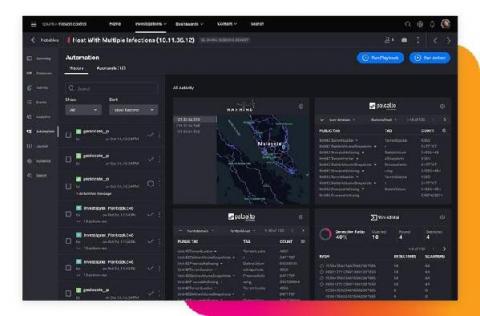
Splunk SOAR Playbooks: GCP Unusual Service Account Usage

As organizations increase their cloud footprints, it becomes more and more important to implement access control monitoring for as many resources as possible. In previous playbooks, we have shown examples of AWS and Azure account monitoring, but the series would not be complete without also supporting Google Cloud Platform (GCP).

Detecting Password Spraying Attacks: Threat Research Release May 2021

The Splunk Threat Research team recently developed a new analytic story to help security operations center (SOC) analysts detect adversaries executing password spraying attacks against Active Directory environments. In this blog, we’ll walk you through this analytic story, demonstrate how we can simulate these attacks using PurpleSharp, collect and analyze the Windows event logs, and highlight a few detections from the May 2021 releases.

What the Fastly Outage Can Teach Us About Observability

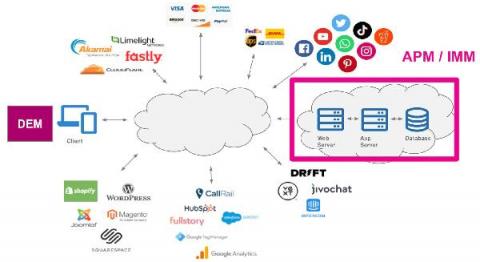
On Tuesday June 8th, the Content Delivery Network Fastly experienced an outage that made large swaths of the web unavailable for nearly an hour. To focus on the positive, this outage can serve as a wakeup call for Observability teams, because it shows how much modern sites depend on resources beyond their immediate control, and how hard it is to "observe" these kinds of issues with an incomplete Observability mindset.

Tales of a Principal Threat Intelligence Analyst

At Splunk, we’re constantly on the hunt for new and emerging threats — tirelessly developing detection techniques to zero in on bad actors, while sharing key intelligence around cybercrime activity. But because threat intelligence can relate to so many different things — ranging from spear phishing campaigns to dark web dealings — it can be a challenge to cover and define all the specifics of what (or who) to look out for.

Monitoring Kafka Performance with Splunk

Today’s business is powered by data. Success in the digital world depends on how quickly data can be collected, analyzed and acted upon. The faster the speed of data-driven insights, the more agile and responsive a business can become. Apache Kafka has emerged as a popular open-source stream-processing solution for collecting, storing, processing and analyzing data at scale.

Collecting Kafka Performance Metrics with OpenTelemetry

In a previous blog post, "Monitoring Kafka Performance with Splunk," we discussed key performance metrics to monitor different components in Kafka. This blog is focused on how to collect and monitor Kafka performance metrics with Splunk Infrastructure Monitoring using OpenTelemetry, a vendor-neutral and open framework to export telemetry data. In this step-by-step getting-started blog, we will.

EO, EO, It's Off to Work We Go! (Protecting Against the Threat of Ransomware with Splunk)

On June 2nd, 2021, the White House released a memo from Anne Neuberger, Deputy Assistant to the President and Deputy National Security Advisor for Cyber and Emerging Technology. The subject? “What We Urge You To Do To Protect Against The Threat of Ransomware.” It outlines several recommendations on how to protect your organization from ransomware. The memo was a follow-up to President Biden’s May 12th Executive Order on Improving the Nation’s Cybersecurity Order (EO14028).

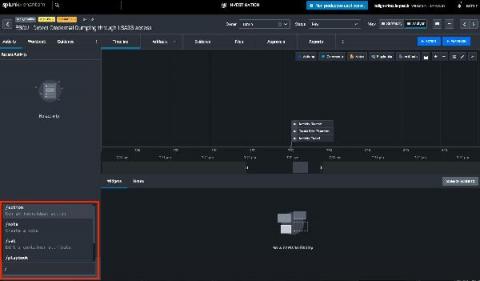
Understanding Splunk Phantom's Join Logic

If you’re an active Splunk Phantom user, it’s safe to assume you know what a playbook is. If not, here’s a quick summary: Phantom playbooks allow analysts to automate everyday security tasks, without the need for human interaction. Manual security tasks that used to take 30 minutes can now be executed automatically in seconds using a playbook. The result? Increased productivity and efficiency, time saved, and headaches avoided.