Operations | Monitoring | ITSM | DevOps | Cloud

Splunk Named a Leader in the 2021 Gartner SIEM Magic Quadrant for the Eighth Time

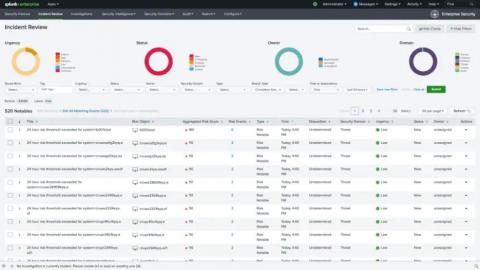
Splunk was named a Leader for the eighth consecutive time this week in the Gartner Magic Quadrant for Security Information and Event Management (SIEM)*. In our opinion, this recognition marks one of the longest running recognitions in the history of the SIEM market. The recognition comes on the heels of Splunk also being ranked No.

Kaseya, Sera. What REvil Shall Encrypt, Shall Encrypt

When Splunk told me we would have a “breach holiday” theme for the summer, I didn’t think it would be quite so on the nose… For those of you who have been working on this Kaseya REvil Ransomware incident over the weekend, I salute you. We’ve been doing the same. As usual, my team here at Splunk likes to make sure that we have some actionable material before posting a blog, and this time is no different.

Fashionably Late: The Zero Trust Trend is Here to Stay

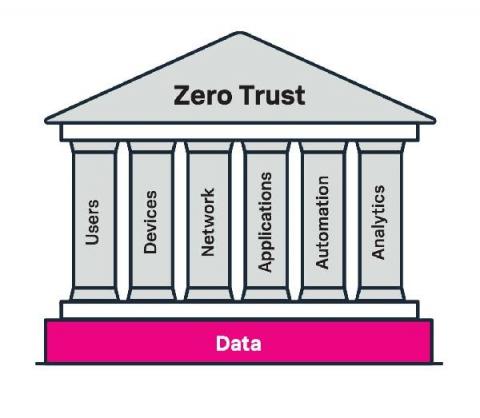
I have often joked that IT, and in particular cybersecurity, is like fashion — not a lot is ever new, just reimagined and, in some cases, improved. As I sit pondering the beauty of my COVID-19 comb-over mullet, I have found myself thinking about how this fashion analogy applies to zero trust.

I Pity the Spool: Detecting PrintNightmare CVE-2021-34527

On Monday, June 21st, Microsoft updated a previously reported vulnerability (CVE-2021-1675) to increase its severity from Low to Critical and its impact to Remote Code Execution. On Tuesday, June 29th, a security researcher posted a working proof-of-concept named PrintNightmare that affects virtually all versions of Windows systems. Yesterday, July 1, Microsoft assigned this flaw a new CVE, CVE-2021-34527.

How to Optimize Your Cloud Spend Using Observability

The rise of public cloud services has enabled businesses to innovate faster, scale effortlessly, and adopt more advanced technologies easier than ever before. However, there’s a dark side to using public cloud services: complexity and cost. Public cloud services can scale to handle almost any workload, but in doing so, they can quickly generate unpredictable costs for your business.

Distributed Tracing for Kafka Clients with OpenTelemetry and Splunk APM

This blog series is focused on observability into Kafka based applications. In the previous blogs, we discussed the key performance metrics to monitor different Kafka components in "Monitoring Kafka Performance with Splunk" and how to collect performance metrics using OpenTelemetry in "Collecting Kafka Performance Metrics with OpenTelemetry." In this blog, we'll cover how to enable distributed tracing for Kafka clients with OpenTelemetry and Splunk APM.

Splunk Named Market Share Leader in ITOM and SIEM Reports

2020 was a challenging year for modern enterprises. In under a year, we experienced a decade's worth of transformation while a global pandemic raged on. And while the worst of COVID-19 will hopefully soon be behind us, the need to continuously transform our digital environment is unequivocally here to stay. We've already seen an example of this, thanks to a significant increase in data generated from across the business.

Art of Data: Bringing Data to Esports

You may have seen the announcement that Splunk and McLaren Racing have expanded their partnership, which sees Splunk as an Official Global Partner of the McLaren Shadow Esports team and the Logitech McLaren G Challenge. As a budding Esports fan and data enthusiast, it’s really exciting to see these two worlds collaborate and accelerate the virtual racing experience.

Microsoft 365: Are You Flying Blind...and at What Cost?

Many organizations today are migrating from on-prem solutions for email / calendar / communications to Microsoft 365. If this is you, this is your productivity cloud across work and life, designed to help you achieve more with innovative Office apps, intelligent cloud services, and world-class security.

Understanding Where You Fit in the Web Performance Maturity Curve

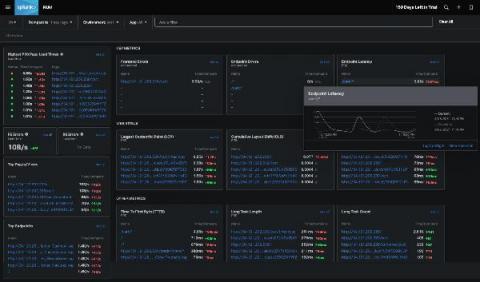
We all know that faster is better. Research and results clearly indicate that faster experiences with fewer errors result in increased usage, conversion, and revenue. With the desire to improve business metrics in mind, organizations often seek immediate improvements in customer experience across digital properties. However, without proper planning and coordination, these attempts consistently fail.