The latest News and Information on DevOps, CI/CD, Automation and related technologies.
Test automation plays a significant role in software development. It improves speed, better detects errors and bugs, is repeatable, scalable, has broader coverage, and more. Let’s take a look at test automation using a CI/CD pipeline. In today’s competitive world, great speed in developing software, features, and fixes are vital.
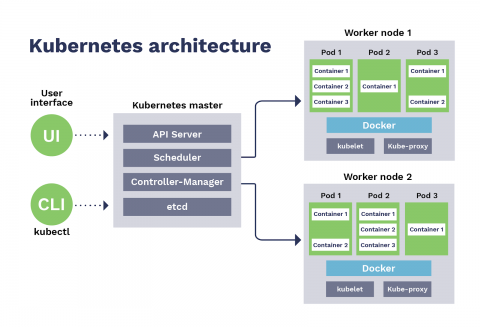
It's no secret that the popularity of running containerized applications has exploded over the past several years. Being able to iterate and release an application by provisioning its dependencies through code is a big win. According to Gartner, “More than 75% of global organizations will be running containerized applications in production” by 2022.
Have you been attending Stackery’s Serverless Summer School? As a non-engineer, I’ll admit, I was a little nervous. Was it going to be over my head? Would I spend the entire Twitch stream furiously writing down all the terms I didn’t know so that I could ask about them later? Would my brain need some debugging after trying to download a bunch of information that I didn’t really get?
Does your team use Azure DevOps for tracking work? You’re going to love our latest integration if that’s the case. You can now create and resolve Work Items in Azure DevOps directly from Rollbar, making error monitoring and debugging even faster. This is the latest addition to our toolkit for the Microsoft ecosystem (read about our Azure Active Directory integration). It reinforces our mission to help software developers build software quickly and painlessly.
We’ve built a lot of amazing things into the open-source Netdata monitoring system. But, no matter how far we’ve come, we’ll always be proud of how little RAM it uses. Right now, Netdata stores metrics in your system’s RAM using a ridiculously efficient database. It only saves or loads historical metrics from disk when you restart it. With this system, Netdata can be both low-resource and exhaustive in its collection of real-time metrics.
Site reliability engineers (SREs) are the glue between “Dev” and “Ops,” ensuring that software engineering expertise is applied to operations challenges. SREs naturally focus on making systems more reliable, efficient, and scalable. If you’re an SRE yourself, you’re already deeply familiar with these ideas.