Operations | Monitoring | ITSM | DevOps | Cloud

Load Test PostgreSQL Instantly using Production Recordings

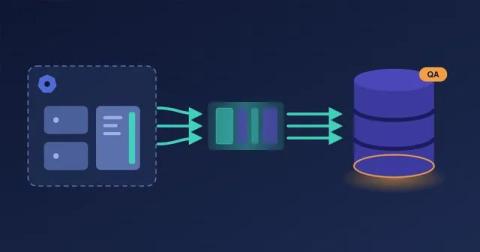
The first PostgreSQL post ran on a laptop: a demo app, a Docker container, and the proxymock CLI. That is the fastest way to see the idea. It is also not where your database problems live. Your real query mix lives in the cluster, where a Java service with a connection pool, an ORM and a schema migration tool sends the statements nobody wrote by hand. This post deploys an open source banking app to Kubernetes and records the queries one of its services sends to PostgreSQL.

A Conversation with Russell Rosa, Nable's Chief Revenue Officer | Fireside Chat

Meet Russell Rosa, N-able's Chief Revenue Officer, in this open fireside chat recorded live on October 2, 2026. Russell joined N-able in July 2026 with more than 25 years of experience across global sales, technology, and channel-led growth. In this AMA-style conversation, he shares why he joined N-able, the experiences that shaped his approach to leadership, and where he sees the technology landscape heading.

The Missing Piece in Your AI Coding Agent #aiagents #aitools #devops #debugging #softwareengineer

Stop making your AI coding agent guess how your app works with massive prompts. We feed live API traffic and runtime evidence directly into your agent so it can automatically detect bugs, run replays, and fix code fast! Learn more: speedscale.com.

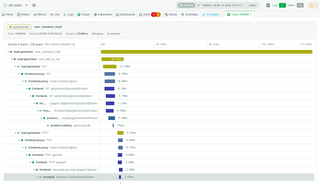
Distributed Tracing In Netdata: OpenTelemetry Traces

Back in 2020, when we laid out where Netdata was going, the plan listed anomaly detection, log collection and “application traces collection”. The first two shipped years ago. Traces took longer, because we wanted them to work the way the rest of Netdata works: collected and stored on your own nodes, with no separate backend to stand up. Distributed tracing is now available in Netdata.

The Year-2 Price Cliff: What Your Observability Stack Really Costs Over 3 Years

I’m not the one whose phone lights up at 3 a.m. when production breaks. But I’ve spent years working alongside the engineers who are, and I’ve noticed that observability migrations happen for two reasons. Either engineering needed one, or, far more often, a quote landed that looked too good to refuse. The engineers rarely regret the first kind. The second kind they tell me about in year two, usually with a renewal notice in hand.