The latest News and Information on Managed Service Providers and related technologies.
Up until recently, you may have felt that it was easy to ignore Macs on your customers’ networks. Particularly if there were just one or two in the marketing department or maybe a handful in a graphics team somewhere. Maybe the person in charge of those devices had even been on Macs since the 90s and had got used to supporting themselves.
A ServiceNow study carried out by the Ponemon Institute reports, “An alarming 57% of cyberattack victims report that their breaches could have been prevented by installing an available patch.” Patch management is the process of organizing, testing, and applying patches to your organization’s assets.
Remote access is a means to extend network accessibility by establishing a connection over a server. It allows users to manage and view the system from remote locations when they’re not able to connect physically. In short, remote access allows users to access their systems and IT infrastructure just by using an internet connection or telecommunication protocol.
Today, businesses rely on the cloud to help with many tasks, from data backup to team collaboration. In fact, Zippia’s 2022 cloud adoption statistics reveal that 94% of enterprises use cloud services, and 48% of businesses choose to store their most important data in the cloud.” Discover the differences between cloud backup vs. cloud sync and storage in this post.
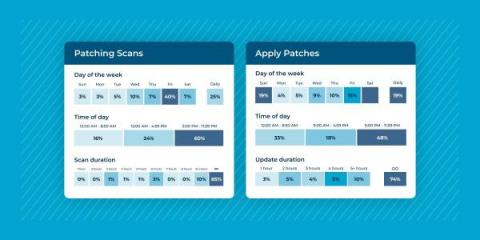
Software patching is the important process of deploying updates. These updates are often released to resolve security vulnerabilities and exploits that could lead to a cyberattack. In fact, many high-profile cyberattacks could have been minimized or avoided altogether if not for unpatched software -- which is why patch management is a critical part of cybersecurity best practices and compliance. As cybersecurity regulations continue to roll out, new standards are being created for patch management.