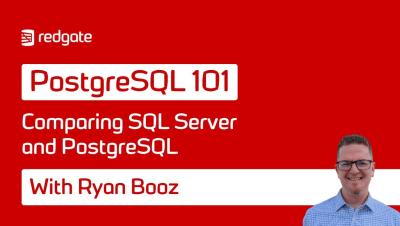
Comparing SQL Server and PostgreSQL | PostgreSQL 101
In this webinar, find out the things that often trip up SQL Server users when they first start exploring PostgreSQL.


The latest News and Information on Databases and related technologies.
VictoriaMetrics is an open-source time-series database (TSDB) written in Go, and I’ve had the pleasure of working on it for the past couple of years. TSDBs have stringent performance requirements, and building VictoriaMetrics has taught me a thing or two about optimization. In this blog post, I’ll share some of the performance tips I’ve learned during my time at VictoriaMetrics.
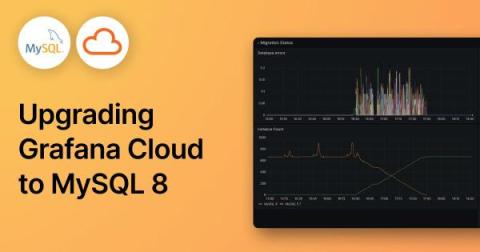
Starting around June this year, we upgraded our Grafana databases in Grafana Cloud from MySQL 5.7 to MySQL 8, due to MySQL 5.7 reaching end-of-life in October. This project involved tens of thousands of customer databases across dozens of MySQL database servers, multiple cloud providers, and many Kubernetes clusters.
Redis, as an in-memory data store, excels at providing high-speed data access and manipulation. However, without effective monitoring, the potential advantages of Redis can be compromised due to performance bottlenecks, scalability issues, and resource constraints. By closely scrutinizing key metrics, Redis monitoring allows you to proactively detect and address potential problems, ensuring the stability, reliability, and high-performance operation of your Redis environment.