Operations | Monitoring | ITSM | DevOps | Cloud

The latest News and Information on DevOps, CI/CD, Automation and related technologies.

Multi-Cloud Deployment: Deploying Consistent Infrastructure Across AWS, GCP, Azure + More

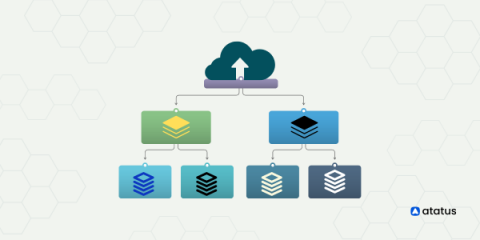
Moving to the cloud is no small feat, especially for enterprise-scale infrastructure. And just imagine the complications when you need to deploy across more than one cloud. Multi-cloud deployment is sometimes characterized by slow, error-prone workloads, lack of consistency, and inflexibility that holds users back. In this blog, we’ll provide clear definitions, use cases, benefits, challenges, and factors to consider for multi-cloud deployment.

New Feature: Deployment Pipeline

At Qovery, we're always looking for ways to make the deployment process more efficient and reliable for our users. We're excited to announce the release of our Deployment Pipeline feature, a big milestone that opens up tons of opportunities for managing service deployment order, deploying services in parallel, and much more. Let's dig deeper..

Understanding Hyper-V Checkpoints: A Comprehensive Guide

Hyper-V is a virtualization platform developed by Microsoft that allows users to create and manage virtual machines (VMs) on Windows operating systems. One of the features of Hyper-V is checkpoints, which allow users to capture the state of a VM at a particular point in time. Hyper-V checkpoints are essential for many tasks, such as testing software in a safe and isolated environment, creating backups of virtual machines, and rolling back a virtual machine to a previous state if something goes wrong.

Getting Out of the 2010s Era of Alarm Avalanches

Between on-premises data centers and private, public, and hybrid clouds, today's networks have never leveraged a more comprehensive range of technologies, nor have those technologies been this interconnected. The result is that networks are now far more capable than ever before, and are able to augment their capabilities by leveraging other technologies to their highest and best use.

A Guide to the Best Free and Paid DNS Services

DNS stands for the Domain Name System. This system translates website names into IP addresses so that those sites could be loaded by various devices. When you are browsing the internet, you get assigned a server automatically when you are loading pages. Unless you have your own server, this might not be an ideal option. The server you use is directly responsible for the loading speed. And if it goes down, there will be no internet connection at all.

Complete your Software Supply Chain with GitLab CI/CD and JFrog

Software is more than building code. Developing software and ensuring quality builds requires managing a complete software supply chain. With the many security threats across the supply chain, managing each and every aspect of the software you deliver to your customers, including the entire process of how it was made, is critical to your organization. This means setting up your software release cycle to include DevOps and security best practices.

How To Monitor Server Performance with MetricFire

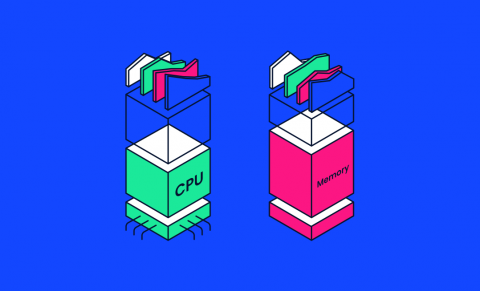
Servers are a critical component of modern IT infrastructure, and they play a key role in delivering the services and applications that power our digital world. Efficient servers can handle higher workloads and respond to requests more quickly, resulting in faster application response times and improved customer satisfaction. By optimizing server efficiency, businesses can ensure that their servers are operating at their maximum potential, with all resources being utilized to their fullest capacity.