Operations | Monitoring | ITSM | DevOps | Cloud

The latest News and Information on Log Management, Log Analytics and related technologies.

GDPR: Top 5 Logging Best Practices

The rather broad definition of personal data in the GDPR requires paying special attention to log data. GDPR and personal data in web server logs is a popular topic in many GDPR fora. For example, IP addresses or cookies might be considered personal data. Consequently, such data must be stored only with the consent of customers for a limited time. It is highly recommended to anonymize personal data before you hand over the logs to any 3rd party to minimize risk.

Integrating Threat Intelligence with Graylog

In my last post, I gave a high-level overview how to select a threat intelligence vendor and how to integrate indicators of compromise (IOCs) into your SIEM or log management environment. In this post, I will describe in detail how to use the Threat Intelligence plugin that ships with Graylog. I’ll start with the steps necessary to prepare your data, then explain how to activate the feature and how to configure it for use.

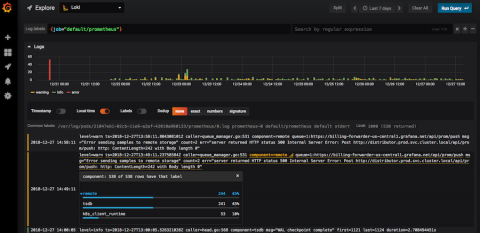
Retrace Log Management: Logs, Errors and Code Level Performance

Log management is traditionally described as a way to collect all of your log data in one place so you can use it for a wide variety of uses. Retrace APM with log management aims to create the perfect product and user experience for developers with specific needs for managing logs..

Keep Your Company Safe: The ARRR Pillars - SolarWinds Lab Episode #64

In this episode, Head Geeks explain the ARRR Pillars (Availability, Reliability, Resiliency, and Recoverability) and how applying them in practice can help keep your company safe. We'll cover patch reporting and analytics, cloud logging best practices, and disaster recovery using backup best practices.

DevSecOps and Log Analysis: Improving Application Security

As time goes on, more and more organizations are abandoning the outdated waterfall development methodology for more practical and efficient Agile development practices. As this movement has occurred, development teams are moving faster than ever by employing Continuous Integration (CI) and Continuous Deployment (CD) practices that are serving to shorten development cycles and get new features into production with increasing speed.