Cyberattack prevention involves proactive steps organizations take to protect their digital assets, networks, and systems from potential cyber threats. Preventive measures, such as a combination of best practices, policies, and technologies, are employed to identify and mitigate security breaches before they can cause significant damage.
Once upon a time, not so long ago, the world was a different place. The idea of a "smartphone" was still a novelty, and the mobile phone was primarily a tool for making calls and, perhaps, sending the occasional text message. Yes, we had "smart" phones, but they were simpler, mostly geared toward business users and mostly used for, well, phone stuff. Web browsing? It was there, but light, not something you'd do for hours.
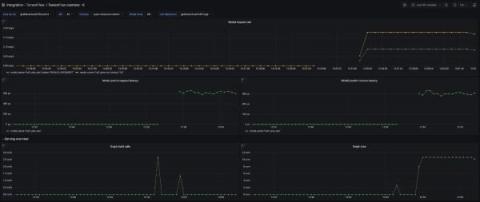
The world of AI and machine learning has evolved at an accelerated pace these past few years, and the advent of ChatGPT, DALL-E, and Stable Diffusion has brought a lot of additional attention to the topic. Being aware of this, Grafana Labs prepared an integration for monitoring one of the most used machine learning model servers available: TensorFlow Serving. TensorFlow Serving is an open source, flexible serving system built to support the use of machine learning models at scale.
There has been growing interest in the capabilities of generative AI since the release of tools like ChatGPT, Google Bard, Amazon Large Language Models and Microsoft Bing. With the hype comes concerns about privacy, PII, security and, even more importantly, accuracy. And rightly so. Organizations are treading cautiously with their acceptance of generative AI tools, despite seeing them as a game changer.
Five worthy reads is a regular column on five noteworthy items we’ve discovered while researching trending and timeless topics. This week we are exploring how generative AI can change the future of healthcare. Step into the world of generative AI, the fascinating field of AI that’s got everyone in the healthcare industry buzzing.