Simplify Repo Management with Workspaces #shortsvideo #shorts
☀️☕️ Start your day the GitKraken way with Workspaces! Manage your projects effortlessly, no matter how many repos you juggle.


The latest News and Information on DevOps, CI/CD, Automation and related technologies.
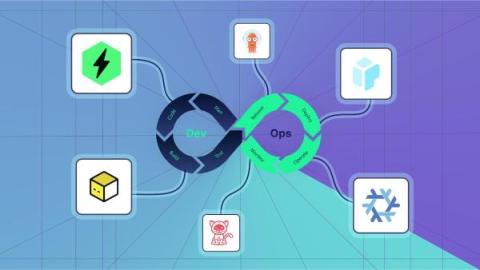
As we approach 2024, the DevOps and SRE landscapes continue to evolve, bringing forth a new generation of tools designed to enhance efficiency, scalability, and reliability in software development and operations. In this post, we'll dive into some of the most promising tools that are shaping the future of Continuous integration and deployment, monitoring and observability, infrastructure/application platforms, incident management & alerting, security, and diagramming.
DevOps isn’t just a methodology; it’s a culture that fosters collaboration, automation, and continuous improvement within an organization. Conducting a successful DevOps assessment is crucial for understanding where your team stands in its DevOps journey and identifying areas for enhancement. To ensure a comprehensive evaluation, focus on these four pillars.
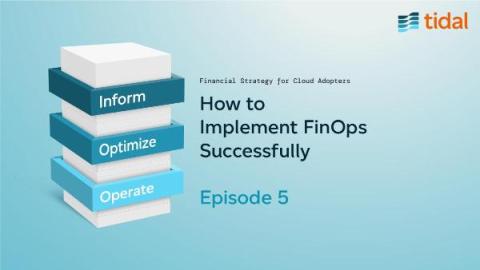
This is the fifth and final part of this FinOps series, The Operate Phase. If you have missed any of my previous blogs, here is a list of posts in the series: Note: I am ex-AWS, so you will notice a lot more focus on AWS tools and services as examples here, however we are cloud agnostic and all cloud providers have similar services and tools.
We care a lot about the pace of shipping at incident.io: moving fast is a fundamental part of our company culture, and out-pacing your competition is one of the best ways we know to win. In engineering teams, one way to ship fast is to invest in tools that make your team more productive. We've become good at identifying small pains and frustrations that slow us down over time and – after surfacing them to the rest of the team – find solutions for them.
This week, we announced that Cloudsmith has taken an impressive $11M in additional funding, hot on the heels of our $15M Series A two years ago. That's not just serious cash for a startup; it's a game-changer! The natural questions are: why did we take it, and what's our big-picture plan?
For modern enterprises aiming to innovate faster, gain efficiency, and mitigate the risk of failure, operational resilience has become a key competitive differentiator. But growing complexity, noisy systems, and siloed infrastructure have created fragility in today’s IT operations, making the task of building resilient operations increasingly challenging.