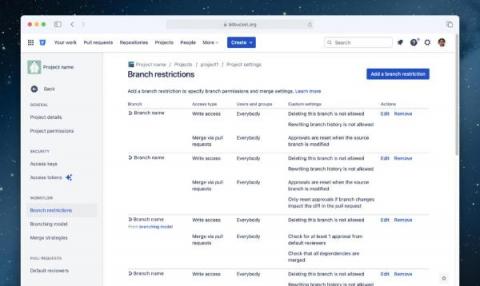
Maintain code quality at scale with project-level branch restrictions
We're excited to announce the launch of project-level branch restrictions. This feature is part of our efforts to help teams manage code at scale.


The latest News and Information on DevOps, CI/CD, Automation and related technologies.
There are numerous instances where a single buildpack falls short in app building, for instance when working on a NodeJS app with a PHP backend. We are thrilled to announce the global and immediate availability of Multi-Buildpacks for all app sizes, including our Free tier. The Multi-Buildpack feature allows you to: Alongside the introduction of multi-buildpacks, we're expanding support for Add-on buildpacks (such as APT, Static, or the newly introduced FFmpeg buildpacks).
How often have you heard the phrase “trust is earned” in life? While well-meaning, I think this can actually lead to some strange behaviour at work, especially when you’re on a fast growing team. Startups experience a lot of chaos and unknowns your teams need to navigate, so it’s vital to know you can trust the people around you. As you grow, how you set expectations around trust as people join your team can impact your ability to hire, onboard, ship and ultimately, survive.
Many people think cloud migrations are a binary decision: either lift-and-shift or completely modernize applications. However, the reality is that there is a spectrum of transition types available, each offering different levels of value.
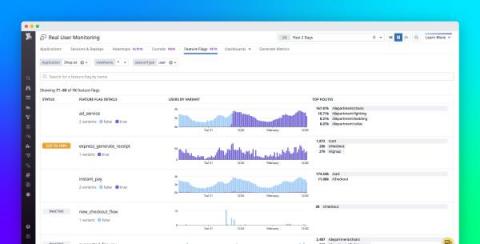
Developers and teams who want to deploy new code often and safely leverage feature flags to decouple code deployments from feature releases. Feature flags enable teams to release new features to a subset of users, making it possible to test a new feature’s impact on users and ensuring that developers can easily roll back the feature if it causes downstream issues.
The Reliability industry needs a managed, non-vendor lock-in answer to spiraling costs, high cardinality and the toil of managing a tsdb.