The latest News and Information on DevOps, CI/CD, Automation and related technologies.
When most professionals hear the term “mobile device management,” they generally assume that an MDM can only remote control company-issued phones. Several years ago, this idea may have been accurate. But as the digital devices in our world have exploded in number, so, too, has the umbrella of what an MDM can remotely control. Now the right MDM can remote control practically any device with a screen and an interface.
From hybrid work opportunities to celebrating milestones, we share best practices from our experience.
Welcome to Open Source Matters, where we cover the latest developments in open source technology. In this special edition, we’re covering 5 open source projects you should consider contributing to in 2023. I’m your host, Ben Lloyd Pearson — now, in no particular order, let’s dive in!
By automating some rote parts of incident response, you reduce decision fatigue and help responders get to solving the problem faster with less stress. In this post, we talk about three areas of the incident response process that are prime for automation.
In this episode, Pete and Lisa discuss why great communication (both internally and externally) is essential to the success of any incident management process. From keeping your wider team in the loop to minimise disruption, to using customer communication to strengthen your brand when things go wrong, the team share their experiences and top tips for having a transparent incident communication culture.
Having a deep understanding of a Kubernetes cluster is important: the right insights allow you to monitor the performance and health of the cluster, which is necessary for ensuring that applications are running smoothly and that any potential issues can be identified and addressed quickly. As your Kubernetes cluster develops, so does the need for monitoring and troubleshooting.
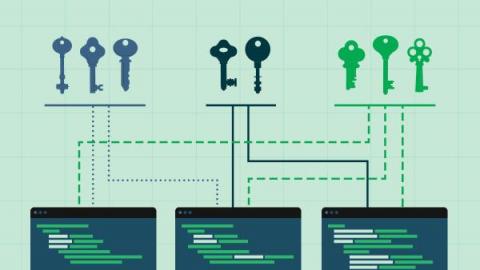
With the shift from traditional monolithic applications to the distributed microservices of DevOps, there is a need for a similar change in operational security policies. For example, how do you secure a disparate number of micro-systems operating with multiple access credentials across a multi-level organization? DevSecOps (Devops security) answers this question by integrating security at every level of your development process.