Operations | Monitoring | ITSM | DevOps | Cloud

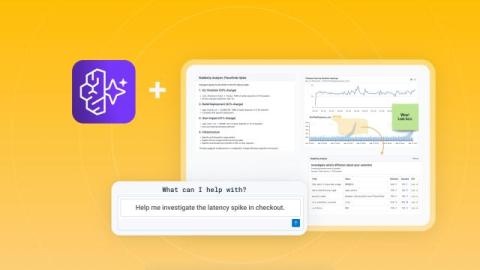
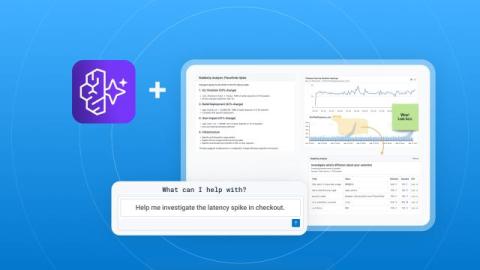
Observability for LLM Apps and Agents: OpenLIT SDK + VictoriaMetrics observability stack

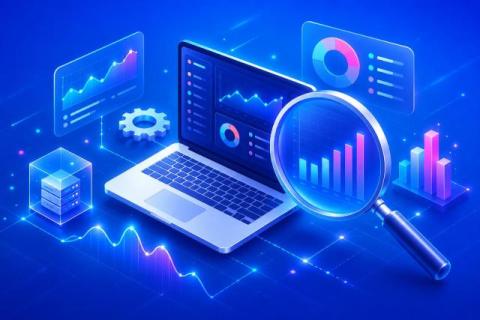
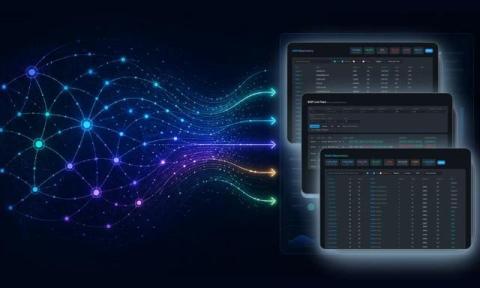
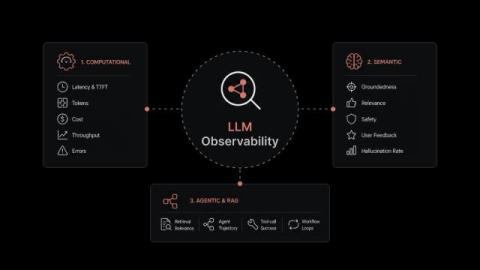
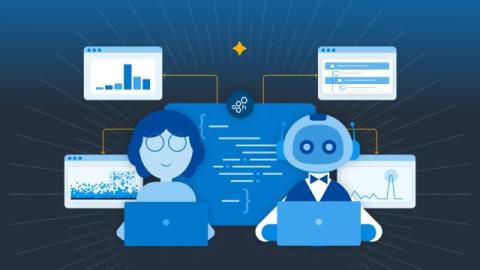
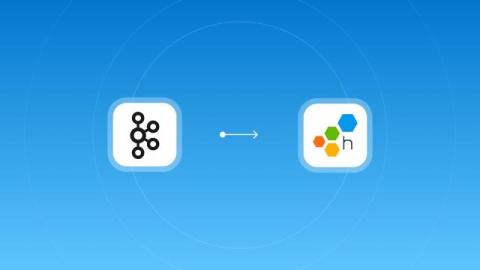
Many “LLM observability with OpenTelemetry” tutorials stop at a single chat.completions span. That works for a demo, but it leaves gaps once an agent fans out into 30 tool calls, two vector-DB queries, three handoffs, and a 90-second tail latency you need to attribute. This post wires the OpenLIT SDK (50+ instrumentations, OTel GenAI semantic conventions, one line of code) into the full VictoriaMetrics observability stack and shows query examples that turn agent telemetry into decisions.
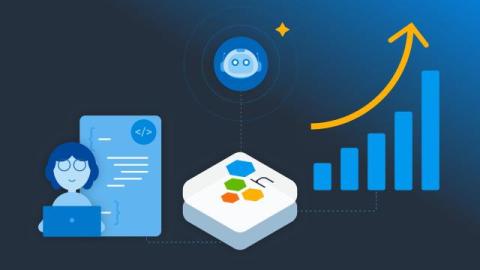
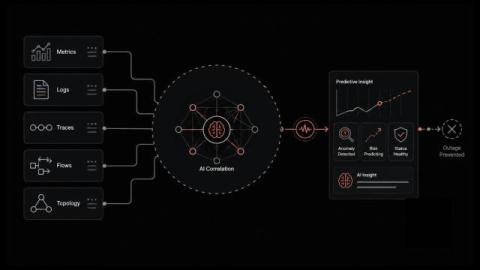
Unified Observability: Moving IT Teams from Reactive to Predictive

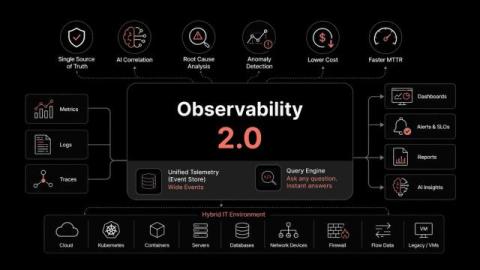
What does it take to stop an outage before it starts? In many cases, the warning signs are already there, scattered across different monitoring tools, which makes it difficult to see the full picture before issues escalate. When an incident occurs, engineers often spend valuable time piecing together metrics, logs, traces, and alerts to determine the root cause. Every minute spent investigating extends the outage and increases its business impact.

How SRE Practices Improve Trust in Digital Finance and Healthcare Platforms

Trust used to be a brand problem. Now it's an uptime problem, a latency problem, a data integrity problem, and sometimes a "why is the payment button spinning again?" problem. For digital finance and healthcare platforms, users don't separate the service from the system behind it. If the app fails, the business feels careless. If records lag, confidence drops. If a transaction disappears for even a few seconds, panic arrives fast.

Could vs. Should: The First Year Managing an SRE Team

As of today, I’ve drafted this post upwards of 10 times – it’s old enough that the version I first started working on was called “Reflections on 1 Year of SRE Management” (I’m currently at 2.5 years). But everything I learned during that first year became critical for the next.

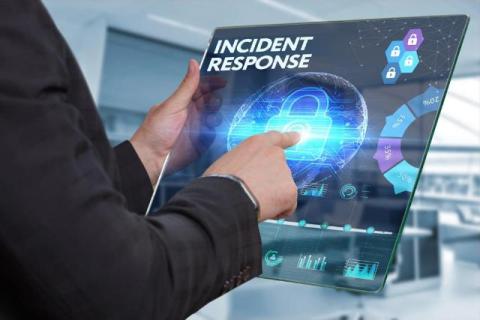
Why Modern IT Incident Response Needs Social Sentiment Analysis

IT operations teams face an ongoing battle against alert fatigue. Despite running sophisticated telemetry and baseline Application Performance Monitoring, engineers are often bombarded with notifications that lead nowhere. Relying purely on internal dashboards creates a massive visibility gap, and when critical incidents slip through the cracks, the financial damage is swift and severe. To close this gap, DevOps professionals are increasingly looking beyond traditional server metrics and turning to a surprising source for early warning signals: public social sentiment.

How AI Agents Are Changing Each Agile SDLC Phase

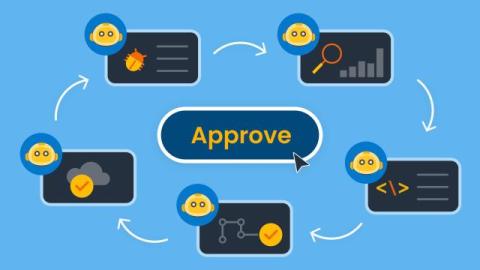
The Agile software development lifecycle was designed to surface problems early, with short sprints, iterative testing, and continuous integration built on the premise that faster feedback loops produce better software. AI coding tools have changed the velocity equation across every phase of that loop, but the phases designed to catch failures are struggling to keep up because build speed and validation capacity have not accelerated at the same rate, and the gap between them is widening with every sprint.