The latest News and Information on Containers, Kubernetes, Docker and related technologies.
Continuous integration is a DevOps practice, where developers continuously integrate the code changes into a central repository. It most often refers to the build or the integration stage of the software release process. A continuous integration service helps to automatically build and run unit tests on the new code changes to find any errors instantly.
Continuous integration (CI) is a development practice where development teams can make small, frequent changes to code. With an automated build which verified the code each time developers verify their changes into the version control repository. Which helps the development teams to detect any defect in an early stage. Continuous integration is the first part of CI/CD, which enables the development team to release the code changes gradually to production quickly and regularly.
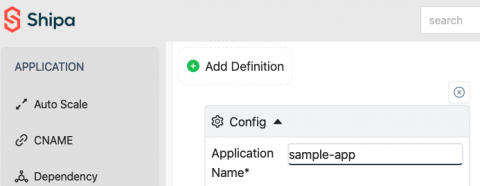
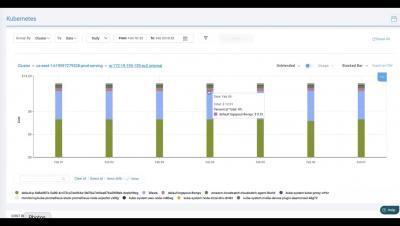
If you are on Shipa Cloud today, you will have noticed a new module called Insights. We are pleased to announce the initial release of Shipa Insights and certainly have a lot in store as we continue to build out the module. As more items continue to shift left towards the developer and the rise of the full lifecycle developer continues to occur, outside of technical non-functional requirements such as connectivity, reporting and metrics are also important.
With KubeCon underway, many of us in the cloud native community are looking forward to learning about the newest innovations from the companies we follow. At SUSE, we’ve been working hard to deliver some new enhancements to Rancher with our 2.6.5 version. I want to briefly take you through the highlights of this release and why we’re excited about these new additions.
Like your virtual machine running another virtual machine , today thanks to Loft Labs, you are now able to run multiple virtual Kubernetes clusters in a Kubernetes cluster. The vcluster project is focused on creating fully functional virtual Kubernetes clusters inside a base cluster allowing for a different approach to multitenancy than spinning up a separate Kubernetes cluster. A core use case of Shipa is the ability to have abstractions that make deploying to multiple clusters easy for developers.