Operations | Monitoring | ITSM | DevOps | Cloud

Streamlining Your Kubernetes Development Environment: A Comprehensive Guide

Kubernetes has revolutionized how modern applications are built, deployed, and scaled. However, due to its complexity, managing a Kubernetes development environment can sometimes feel overwhelming for developers. Utilizing a cloud environment can simplify Kubernetes development by providing better scalability, manageability of dependencies, and a more consistent development experience across various cloud providers.

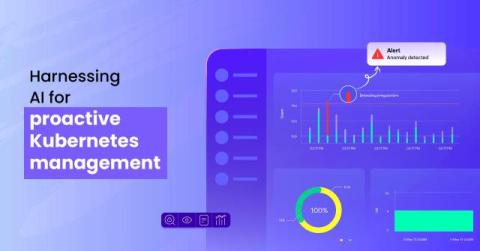
Optimizing Kubernetes workloads with AI-powered monitoring

Kubernetes has drastically simplified application deployment. However, managing workloads in Kubernetes is a challenge because of their innate complexity and dynamism. Frequent bottlenecks and unpredictable application behavior can make managing Kubernetes workloads much harder. This has become simpler and lighter after the expansion of AI, which provides a more intelligent approach to managing and optimizing Kubernetes environments.

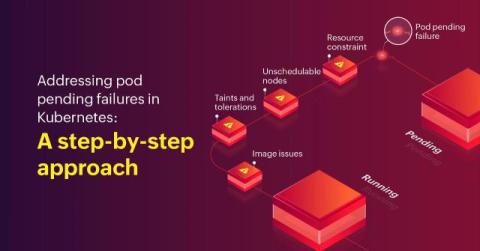
Debugging Kubernetes pod pending failures

Every pod has its purpose. During an application deployment, all the workloads in the cluster work cohesively and ensure that the deployment launches—without any hiccups. When a pod is created, it starts its lifetime in a Pending state. A pod is in the Pending state when it is still in the process of being scheduled for deployment. When it is scheduled for deployment and the containers have started, it converts to the Running phase. It only takes a few seconds for the phase transition.

Mired in PCF Complexity? Transition to Kubernetes With Komodor

In the wake of Broadcom’s acquisition of VMware, the world of virtualization is in flux. Customers, especially those reliant on VMware’s Pivotal Cloud Foundry (PCF), are feeling uncertain about the future. This blog post is designed to guide customers through the specific hurdles they now face due to the acquisition, explore Kubernetes (K8s) as an alternative to PCF, and discuss how Komodor can help with a K8s migration.

Qovery Joins the AWS ISV Accelerate Program

We are proud to announce that Qovery has been officially accepted into the AWS ISV Accelerate Program as of October 21, 2024. This strategic achievement is a game changer for both Qovery and our customers, offering new avenues for collaboration and growth through an integrated go-to-market approach with AWS.

Leveraging GenAI to Enhance Kubernetes Reliability

In the ever-evolving DevOps and site reliability engineering (SRE) landscape, Kubernetes stands out as a pivotal technology, revolutionizing how we deploy, scale, and manage containerized applications. K8s offers powerful orchestration capabilities, ensuring our applications are resilient and can scale seamlessly to meet varying demands. However, as robust as Kubernetes is, managing it efficiently requires significant expertise and effort.

A Guide to Kubernetes Performance Testing: Top 5 Tools & Methodologies for Load Testing

Kubernetes has become the dominant orchestration platform for cloud-native apps– and for good reason. It can be a powerful tool in your software development lifecycle. But how do you know if your Kubernetes-based app can handle the demands of production traffic? Kubernetes alone isn’t always enough to ensure your app’s performance under load. In many cases, it is, but it’s always wise to know your application’s limits.

The role of AI in Kubernetes monitoring

In a dynamic environment like Kubernetes, where manual tracking is impossible, AI-powered monitoring tools, such as Site24x7, surf through enormous amounts of data, detecting irregularities, predicting vulnerabilities, and alerting the user about a possible outage that is about to happen if the resource is not handled.

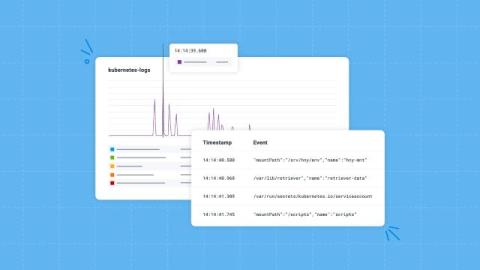
Debugging Kubernetes Autoscaling with Honeycomb Log Analytics

Let’s be real, we’ve never been huge fans of conventional unstructured logs at Honeycomb. From the very start, we’ve emitted from our own codestructured wide events and distributed traces with well-formed schemas. Fortunately (because it avoids reinventing the wheel) and unfortunately (because it doesn’t adhere to our standards for observability) for us, not all the software we run is written by us.

Kubernetes Load Testing: How JMeter and Speedscale Compare

At some point, your development team may be considering implementing load testing (also known as stress testing) as part of your software testing process. Load testing validates that your web app is able to withstand a large number of simultaneous users, decreasing the chance that any traffic spikes will bring down your services once deployed. These stress tests can be highly granular, giving you the opportunity to test run virtually unlimited strategies before they are set into the wild.

Kubernetes at 10: Is It Still Relevant or Just a Fad?

Kubernetes has turned 10! Join our panel of experts from Civo Navigate Berlin 2024 as they explore the evolving landscape of container orchestration and the future of Kubernetes. With the rise of decentralized technologies and new cloud-native solutions, is Kubernetes still the go-to platform for managing complex applications? Discover insights, challenges, and what's next for Kubernetes in this engaging discussion.

How to Configure the OpenTelemetry Operator With Your Kubernetes Cluster | Tutorial | Grafana

In this video, Grafana Labs Staff Solutions Engineer Lionel Marks describes how to configure the OpenTelemetry Operator along with your Kubernetes cluster to automatically inject, configure, and package auto-instrumentation components that you can then monitor in Grafana Cloud Application Observability.

AWS vs GCP vs Azure: Which Cloud Platform is Best for your Business?

Are you a startup struggling to choose the right cloud platform for your business? With so many options available, it can be overwhelming to determine which vendor best suits your needs. This article will compare AWS, GCP, and Azure based on key factors such as pricing, compliance, security, scalability, ease of use, and their specific benefits for startups. After you have gone through this article, you will have a clearer understanding of which cloud platform is the best fit for your business.


Stop Infrastructure Delays - Supercharge Your Workloads Now!

Are your developers waiting too long for environments? Do they spend excessive time grappling with infrastructure? In this session from Civo Navigate Europe 2024, Will Stewart, co-founder and CEO North Flank, explains how redirecting focus to workloads allows developers to abstract away the complexities of the underlying infrastructure, enabling them to concentrate on writing code and building features.

Replay Production Traffic to Mock local development environments

Building and debugging Kubernetes microservices can be tough, especially when you don't have realistic data or environments. See how Speedscale can quickly mock DBs and APIs based on observed production behavior, so you can debug and develop features quickly. People familiar with GoReplay will notice a more modern and automated approach to turning user behavior into reproducible developer environments.

How to Load and Performance Test Kubernetes, what is Kubernetes and nuances of the platform

Check out Matt LeRay's talk on How to Test in Kubernetes at Star WEST 2024. Distributed architectures like Kubernetes present unique performance challenges. Autoscaling, Load Balancing and other mechanisms help with resiliency but can also serve to cover up fundamental problems. In this video, learn best practices and high level concepts around Kubernetes and achieving high throughput.

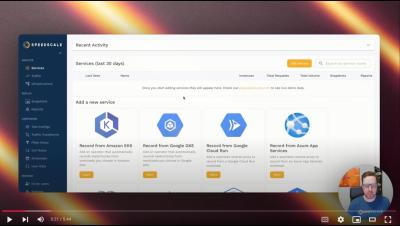
How to get started with a local kubernetes development environment

Mocks can be useful, but hard to build. You can use them as backends for development, or even tests (like load and performance testing). Speedscale takes the legwork out of building mocks, by modeling them after real observed traffic. This video covers a real-world example of how to use mocks to backend a JMeter load test.

The Power of Community: Berlin's Tech Leaders Share Their Stories!

In this panel session from Civo Navigate Europe 2024, top tech leaders from Berlin dive into the factors that have transformed the city into a thriving tech hub. Discover how networking groups and community engagement have played a crucial role in boosting Berlin's tech scene. With its unique blend of creativity, diverse talent, and a vibrant startup culture, Berlin is leading the way in tech innovation. Tune in to learn how collaboration and innovation are driving growth and shaping the future of technology in this major European market.
Sponsored Post

Top 7 Kubernetes Chaos Engineering Tools

Developing highly resilient Kubernetes deployments is crucial for ensuring that your hosted applications in Kubernetes can effectively manage and recover from disruptions. This capability is vital in order to maintain continuous availability for your customers. The importance of resilience in your distributed system also escalates depending on your customer base and the critical nature of your application. Even brief periods of downtime can have a significant negative impact on your business.

You're right to be VMwary - life after Broadcom!

Join Dinesh Majrekar, CTO of Civo, as he unpacks the ramifications of Broadcom's acquisition of VMware. Discover how this transition impacts pricing, support, and product offerings. Dinesh shares a comprehensive history of VMware's journey and highlights the opportunities for businesses looking for alternatives in a rapidly evolving cloud landscape. Are you prepared for what's next?

How Densify solves the cloud efficiency challenge

The FinOps Foundation states that “For the first time, Reducing waste was the highest key priority for FinOps practitioners across all spending tiers. This may be influenced by macroeconomic trends, with businesses looking for ways to reduce spending without reducing the value they are getting from their cloud investments.”

Kubernetes Autoscaling vs. Optimization: Understanding the Difference

In cloud-native environments, autoscaling and optimization are often confused, yet they serve different purposes. While Kubernetes offers several built-in autoscaling features, these are often mistaken for optimization. In reality, autoscaling is reactive, responding to changing demands, whereas optimization is proactive, focused on configuring workloads efficiently from the start.

Unlocking the Secrets to Sustainable Data Centers!

In this panel discussion from Civo Navigate Europe 2024, industry experts dive deep into the pressing environmental challenges faced by the tech industry. Discover innovative strategies for making data centers more sustainable, the role of energy efficiency, and the importance of individual and collective action in driving meaningful change. Join Sophia, Dinesh, Matt, and Mario as they share insights on the future of technology and sustainability, and learn how you can be a part of this vital conversation.

IT Infrastructure Management: Best Practises For Startups

Effective IT infrastructure management is essential for startups aiming for operational excellence and sustainable growth. A well-structured infrastructure lays the groundwork for seamless operations, scalability, and competitive edge. Today, we’ll break down essential best practices for managing your IT infrastructure effectively—providing practical insights to help you create a resilient and scalable foundation for your startup. Let’s get started!

Maximize the Power of Kubernetes Data for Enterprise Success!

Join Eric, a Client Technical Director at Pure Storage, as he reveals the transformative power of Kubernetes in modern enterprise environments. This video from Civo Navigate Europe 2024 features insightful discussions on how cloud-native technologies are reshaping business models and driving innovation. Learn from real-world examples of industry leaders like Amazon and Disney, and discover strategies for leveraging Kubernetes to optimize application performance and streamline operations.

An Introduction to AI Inference

As a straightforward definition, AI inference is the process of applying a pre-trained machine learning model to new, unseen data in order to generate predictions, classifications, or decisions. Unlike the training phase, where the model learns from a dataset, inference involves utilizing the learned patterns to analyze and interpret new inputs.

How to Integrate Docker with Logit.io

Docker is an open-source container service provider, designed to help developers build, run, and share container applications. Users building and running these container applications need to conduct effective debugging and monitoring practices and for this, they have turned to Docker logging. To understand the importance of this, the latest edition of our how-to guide series surrounds Docker.

Step into the Role of a Crime Scene InvestiGITor!

Join 'Chief Inspector Detective Cadell' in his session at Civo Navigate Europe 2024, where he unveils the secrets of Git through a hilarious crime scene investigation! As broken unit tests and mysterious bugs abound, you’ll learn how to become a revered investiGITor, mastering the essential skills to solve version control offenses like a pro. From safely removing sensitive information to pinpointing the exact commit that broke your code, this session covers it all.

Stop Using TCP Health Checks for Kubernetes Applications

As developers, one of the most important things we can consider when designing and building applications is the ability to know if our application is running in an ideal operating condition, or said another way: the ability to know whether or not your application is healthy. This is particularly important when deploying your application to Kubernetes. Kubernetes has the concept of container probes that, when used, can help ensure the health and availability of your application.

How to Calculate TPS in Performance Testing: A Kubernetes Guide

Transactions-per-Second (TPS) is a valuable metric for evaluating system performance and is particularly relevant for engineers overseeing Kubernetes environments.TPS, alongside average response time, provides critical insights into system performance during load testing. This post covers two approaches to calculating TPS; a manual approach applicable in all environments, and an automatic Kubernetes-specific solution using production traffic replication.

Kubernetes Load Testing: How JMeter and Speedscale Compare

At some point, your development team may be considering implementing load testing (also known as stress testing) as part of your software testing process. Load testing validates that your web app is able to withstand a large number of simultaneous users, decreasing the chance that any traffic spikes will bring down your services once deployed. These stress tests can be highly granular, giving you the opportunity to test run virtually unlimited strategies before they are set into the wild.
Why Kubernetes is removing in-tree cloud-provider integration support in v1.31, and how it can affect you

Kubernetes is known for its modularity, and its integration with cloud environments. Throughout its history, Kubernetes provided in-tree cloud provider integrations with most providers, allowing us to create cloud-related resources via API calls without requiring us to jump through hoops to deploy a cluster that utilizes the power of underlying networking infrastructure. However, this behavior will change with the release of Kubernetes v1.31, and right now is the best time to plan for it.

Transforming Developers: How Omid Givehchi Turns Code into Purpose!

Join Omid Givehchi, CTO of Susteco, as he shares invaluable insights from his extensive experience in corporate and startup environments at Civo Navigate Europe 2024. Discover how to involve and motivate developers with purpose, bringing their values and motivations beyond just coding. This transformative approach not only enhances the efficiency of development teams but also drives higher value toward business targets and goals. Omid discusses real-world applications of this methodology, highlighting successful strategies tested in various startups and corporations.

Container monitoring with Grafana: Helpful resources to get started

In simple terms, containers are a standard package of software that enable applications to run consistently across different computing environments. Often, these applications are broken down into smaller collections of independent services known as microservices. For many organizations, these microservices-based applications have replaced traditional monolithic applications because they offer increased performance, flexibility, and scale.

The Future of AI and ML: Are You Ready to Navigate the Change?

Join us at Civo Navigate Europe 2024 for an engaging session featuring pioneers and leaders discussing the latest developments in artificial intelligence (AI) and machine learning (ML). Discover breakthroughs in deep learning and neural networks, along with the ethical considerations and regulations shaping these technologies. Gain insights into how AI and ML are transforming industries, driving economic changes, and addressing practical aspects like scalability, data privacy, and human-machine interaction.

Master Developer Productivity: Secrets to Boosting Performance!

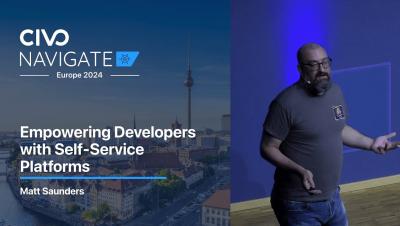
Join Matt Saunders, a leading expert from Adaptavist, as he delves into the critical aspects of developer experience and how to empower your teams. In this engaging session from Civo Navigate Europe 2024, discover actionable strategies to enhance productivity, streamline workflows, and leverage platform engineering to overcome common developer challenges. Whether you're a seasoned developer or just starting, this talk offers invaluable insights to transform your approach to software delivery.