Operations | Monitoring | ITSM | DevOps | Cloud

The latest News and Information on DevOps, CI/CD, Automation and related technologies.

Why Have a Test Environment

As part of our best practices Kelverion always recommends having a test automation platform. There are several reasons explained below why Kelverion recommends customers have a test environment. We know it takes a little bit of time and resources, but it truly can be a safe zone that allows you to test and grow your IT automation processes. Let’s explore some of the most common reasons.

How to Effectively Manage Your Website

Your website is often the first interaction potential customers have with your brand. How well you manage it can make or break their experience. Whether you're a small business owner or a digital marketer, mastering website management is crucial. In this guide, we will walk you through everything you need to know to effectively manage your website, ensuring it is both engaging and efficient.

Focus on recent code changes with iterative review

Hello, Bitbucket Cloud Community! We are incredibly excited to announce the introduction of Iterative review, a feature designed to help your team get pull requests completed faster by removing the need to re-review code you've already seen. Now when an author pushes new commits based on your pull request (PR) feedback, you'll have the option to focus on just those new changes.

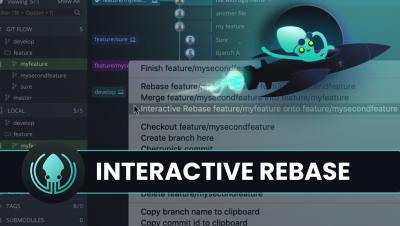
GitKraken Desktop Tutorial: How to INTERACTIVE REBASE

Explore the interactive rebase editor in GitKraken Desktop for a seamless rebasing experience. Learn how to use drag-and-drop and context menus to pick, reword, squash, drop, and reorder commits. Discover how to resolve conflicts, reset, and abort rebase operations, ensuring a tidy commit history.

CircleCI product roadmap | Summer update

Join the CircleCI product team for an in-depth look at just-launched and upcoming features. This webinar starts with a quick overview of what we're building and why. Then we cover new features and upcoming changes across CI, CD and AI & LLMOps. We cover everything from config optimization recommendations to release tracking to testing config changes locally with the VS Code extension.

Creating Branches and PRs from #Jira Issues #shorts

Jira issue management slowing you down? ️ Learn more about creating branches and pull requests directly from the Jira issue view, plus deep linking to GitKraken Desktop and GitLens, in our upcoming Workshop! Mark your calendars for June 27th at 12pm CST to speed up your workflows & enter for a chance to win GitKraken swag!

Announcing our new CI/CD runtime, with up to 8x faster builds

We recently gave you a preview of some exciting changes coming to Bitbucket Pipelines with the release of our next-generation CI/CD runtime. This new runtime will act as the foundation for a range of powerful new future capabilities like ARM and multi-arch builds in cloud, and we're excited to announce that this new runtime is available starting today.

Track the status of all your SLOs in Datadog

Service level objectives, or SLOs, are a key part of the site reliability engineering toolkit. SLOs provide a framework for defining clear targets around application performance, which ultimately help teams provide a consistent customer experience, balance feature development with platform stability, and improve communication with internal and external users.

Best practices for managing your SLOs with Datadog

Collaboration and communication are critical to the successful implementation of service level objectives. Development and operational teams need to evaluate the impact of their work against established service reliability targets in order to improve their end user experience. Datadog simplifies cross-team collaboration by enabling everyone in your organization to track, manage, and monitor the status of all of their SLOs and error budgets in one place.

SLOs 101: How to establish and define service level objectives

In recent years, organizations have increasingly adopted service level objectives, or SLOs, as a fundamental part of their site reliability engineering (SRE) practice. Best practices around SLOs have been pioneered by Google—the Google SRE book and a webinar that we jointly hosted with Google both provide great introductions to this concept. In essence, SLOs are rooted in the idea that service reliability and user happiness go hand in hand.