Operations | Monitoring | ITSM | DevOps | Cloud

The latest News and Information on IT Networks and related technologies.

Monitoring Network Switches with Grafana

In monitoring, a target system or device is a deciding factor in designing your monitoring stack. You will have to consider various aspects starting from how you want to collect data in what frequency to how you want to surface metrics to end users. You will have to take this strategic approach when you want to monitor your network infrastructure. In this article, we will discuss how Grafana, an open-source visualization tool, can help you to monitor network switches.

What Is Network Monitoring?

Network monitoring is the practice of making sure the network as a whole, functions optimally by keeping a watch over all endpoints of a network, which is the heart of any business’s routine functioning. Any discrepancy in the form of a breach or slowdown could prove costly. Proactively monitoring networks helps administrators identify and prevent any potential issues that could occur at any time.

Root cause analysis using Metric Correlations

As complexity of systems and applications continue to evolve and change, the number of metrics that need to be monitored grows in parallel. Whether you’re on a DevOps team, an SRE, or a developer building the code yourself, many of these components may be fragmented across your infrastructure, making it increasingly difficult to identify the root cause when experiencing downtime or abnormal behavior.

Difference Between IPv4 and IPv6: Why haven't We Entirely Moved to IPv6?

IPv4 and IPv6 are the two versions of IP. IPv4 was first released in 1983 and is currently widely used as an IP address for a variety of systems. It aids in the identification of systems in a network through the use of an address. The 32-bit address, which may store multiple addresses, is employed. Despite this, it is the most widely used internet protocol, controlling the vast bulk of internet traffic. IPv6 was created in 1994 and is referred to as the "next generation" protocol.

Monitoring HAProxy Logs and Metrics with Sumo Logic

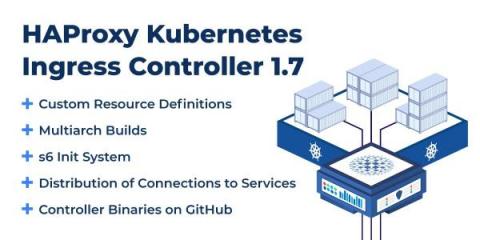
HAProxy is one of the world’s most innovative and highest-performing load balancing solutions. The load balancer is critical for enabling high availability and supporting the dynamic scaling of infrastructure within modern applications. Because of its importance, engineers need tools that can quickly and effectively diagnose any problems with the load balancer if they arise.

What's in a Name? "Network Specialist" vs. "Network Engineer"

The meanings behind job titles can be an elusive thing in that they might only make sense to the people actually in the roles. Take networking jobs. It’s pretty common for people to think some titles can be used interchangeably, and that depending on where you work, a job may have a different name. In some cases, even IT professionals believe that the network specialist vs engineer are jobs are really the same responsibilities.

Why you should be using a VPN when working from home

With so many of us working from home full time for the last 16 months, VPNs have become essential tools for companies to keep their staff working in a safe environment. What we mean by “safe” is mainly about your online presence whilst performing daily tasks for your job.

How to Do Simple UX Monitoring With ipMonitor

Learn how you can leverage ipMonitor user experience monitors to be sure you know about any user experience issues before end users do. Do you know what’s going on right now with all the network devices, servers, and applications that are the magic behind your business? To keep on top of what’s happening with all of those moving parts, you need an easy-to-use, reliable monitoring solution that tells you what’s up, what’s down, and what’s not performing as expected.

Testing Your HAProxy Configuration

Learn how to test your HAProxy Configuration. Properly testing your HAProxy configuration file is a simple, yet crucial part of administering your load balancer. Remembering to run one simple command after making a change to your configuration file can save you from unintentionally stopping your load balancer and bringing down your services.